
The forest around Dinner Falls operates on its own schedule, indifferent to visitor expectations or guidebook descriptions. I’ve walked these trails across different seasons and times of day, and what strikes me most is how quickly the character of the place shifts depending on when you arrive and how much rain has fallen in the preceding weeks. The waterfall itself is the obvious draw, but the surrounding forest demands its own attention if you’re planning anything beyond a quick photo stop.
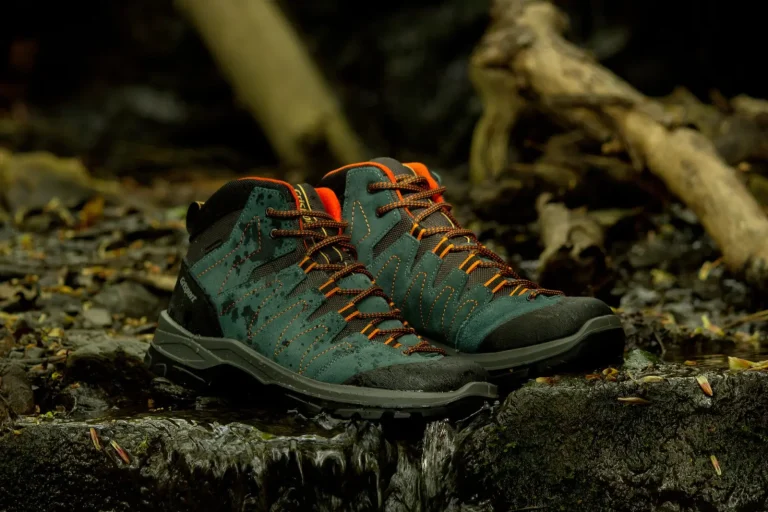
Most people approach this area with a mental image of a neat trail leading to a picturesque cascade. In reality, the forest floor near Dinner Falls is uneven, root-laden, and prone to becoming genuinely slippery after rain. The canopy is dense enough that moisture lingers longer than you’d expect, even on days that seemed dry higher up. I’ve seen visitors in casual sneakers struggling on sections that look deceptively simple from a distance. The problem isn’t difficulty so much as it is the gap between what people assume and what their footwear and balance actually allow.
Seasonal Patterns and Water Flow
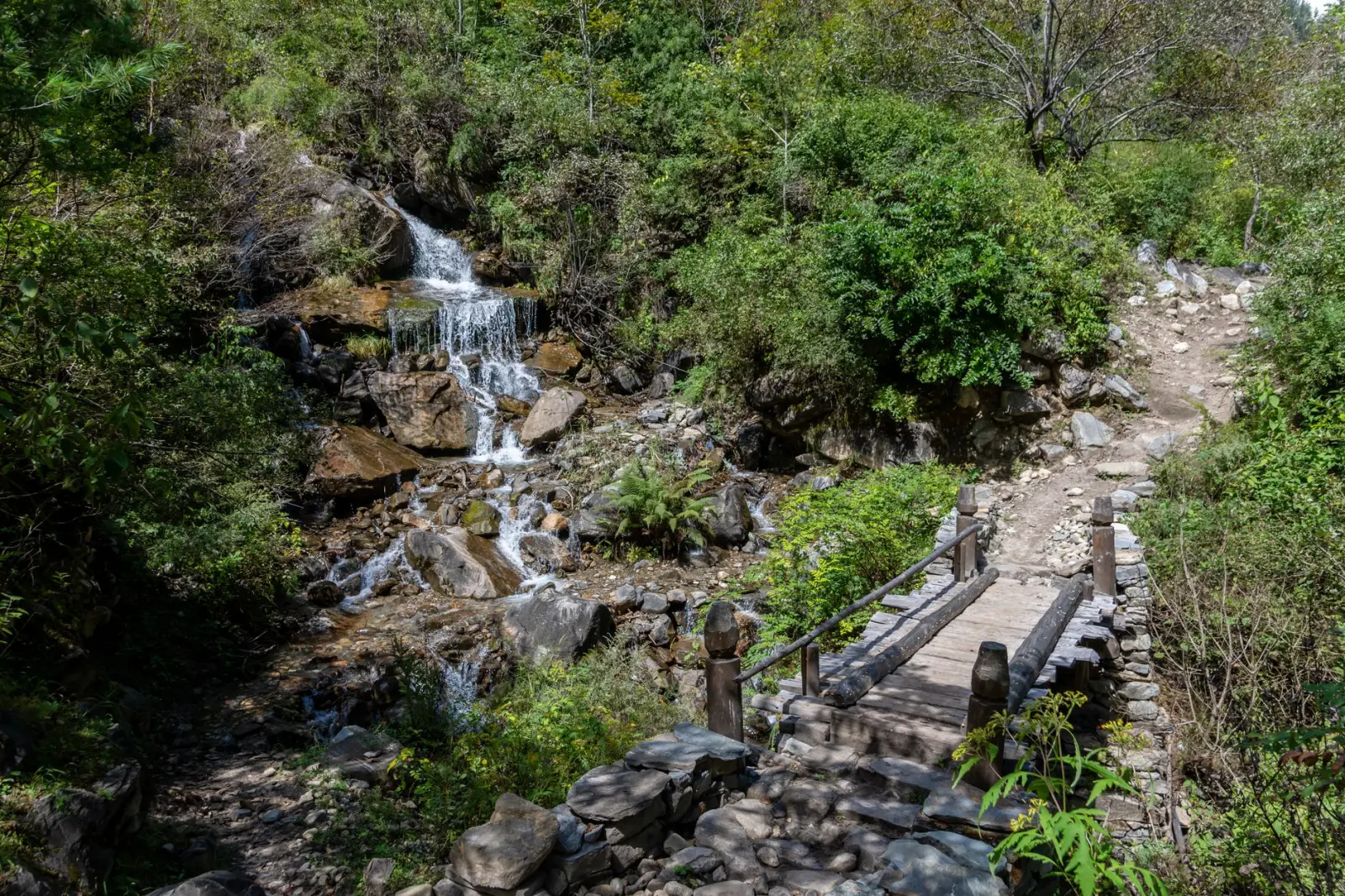
The falls themselves change dramatically across the year. During spring snowmelt or after heavy rain, the water volume increases substantially, and the roar becomes genuinely loud. The mist reaches further into the surrounding forest, which sounds pleasant until you realize your clothing and gear are getting damp from the spray alone. I’ve noticed that people often visit during summer when the water flow is lower and the experience feels more manageable, but they miss the raw power of the falls during wetter months.
Late summer and early autumn tend to offer the most stable conditions. Water flow is moderate, the forest floor has dried enough to be navigable without constant slipping, and the temperature remains reasonable for extended walking. By mid-autumn, leaf litter accumulates significantly, which creates its own complications. Roots and rocks become hidden, and the visual feedback you normally use to judge footing disappears. I’ve watched experienced hikers move more carefully in autumn than in spring, even though the trails are technically “easier” in drier conditions.
Winter transforms the entire experience. If snow or ice is present, the forest becomes genuinely hazardous. The mist from the falls freezes on vegetation, creating a landscape that looks beautiful but is functionally treacherous. Most people don’t attempt serious exploration in these conditions, which is probably wise. The few who do should understand that recovery options are limited if something goes wrong.
Navigation and Trail Condition
The trails around Dinner Falls aren’t always clearly marked, and this becomes apparent once you move beyond the immediate waterfall viewpoint. The main approach is straightforward enough, but secondary routes that loop through the forest or lead to alternative vantage points can be ambiguous. I’ve seen hikers confidently follow what they assumed was a trail, only to realize they were following a deer path or a route worn by previous explorers rather than an established track.
Heavy foot traffic has created multiple social trails in some areas. This fragmentation actually makes navigation harder because it’s not always obvious which path is the “real” one. GPS helps, but cell service can be unreliable depending on your location and provider. A paper map and basic compass skills are genuinely useful here, not just backup options.
The forest floor itself varies considerably. Near the falls, the ground tends to be soft and spongy from constant moisture. Move away from the immediate waterfall area, and the terrain becomes drier and firmer, though still uneven. There are sections with significant root systems that require careful foot placement, particularly if you’re carrying a pack or moving at any pace beyond a slow walk. I’ve noticed that people underestimate how tiring this kind of terrain is. It’s not steep, but it demands constant attention.
Wildlife and Seasonal Presence
The forest supports a range of animals, and their presence varies by season. Early morning and dusk tend to be when you’re most likely to encounter deer or other wildlife. This isn’t usually a concern, but it’s worth understanding that you’re moving through an active ecosystem, not a park. I’ve seen hikers surprised by the sudden movement of an animal they didn’t expect to encounter.
Insects are more of a practical consideration than wildlife. Mosquitoes can be significant during warmer months, particularly near the falls where moisture is highest. Biting flies appear in mid-summer. Neither is a reason to avoid the area, but it’s worth planning accordingly with appropriate clothing or repellent.
Practical Realities of Extended Exploration
If you’re planning to spend several hours in the forest rather than making a quick visit to the falls, fatigue becomes a real factor. The uneven terrain and constant attention required to footing means that people tire faster than they would on a smooth trail. A two-hour walk in this forest often feels longer than the same duration on a maintained hiking trail. I’ve watched people reassess their plans midway through a walk because they underestimated how much energy the terrain demands.
Water access is generally good since you’re near a waterfall, but that doesn’t mean you should drink directly from the stream without treatment. The forest upstream may contain animal activity or other contamination. Carrying a water filter or purification tablets is practical if you’re planning extended time in the area.
The light quality changes noticeably as you move deeper into the forest. The dense canopy means that late afternoon arrives earlier than you’d expect based on the time of day. I’ve seen hikers caught off-guard by how quickly the forest darkens, particularly in autumn and winter when the sun angle is lower. If you’re planning an afternoon walk, starting earlier than you think you need to is a reasonable precaution.
The forest around Dinner Falls rewards careful observation and realistic expectations. It’s not a hostile environment, but it’s not a manicured landscape either. Understanding the seasonal patterns, the actual condition of the terrain, and your own physical capabilities makes the difference between a manageable exploration and an unpleasant surprise.