
Cape Tribulation sits at a peculiar ecological crossroads where tropical rainforest meets the reef, and the wildlife density here is genuinely high. I’ve spent enough time moving through these forests to recognize that most visitors arrive with expectations shaped by documentaries and tourism websites, which tend to compress months of observation into a few dramatic minutes. The reality is messier, quieter, and often more rewarding if you understand what you’re actually looking at.
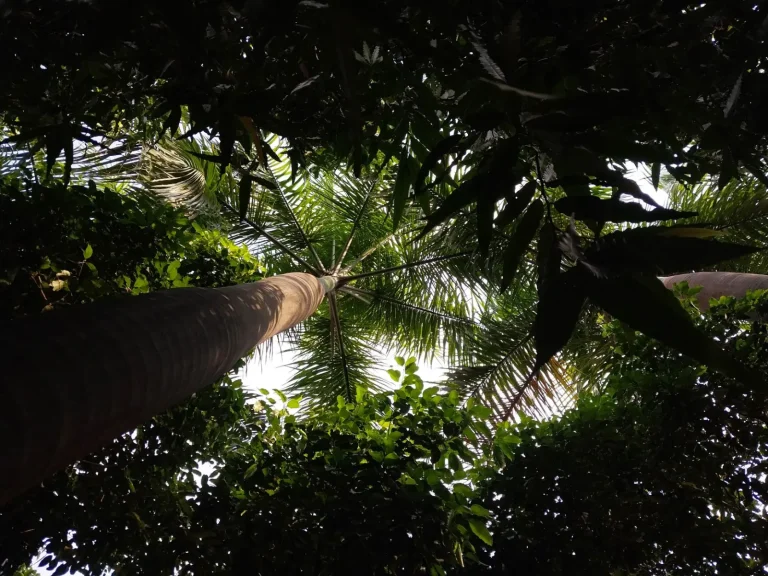
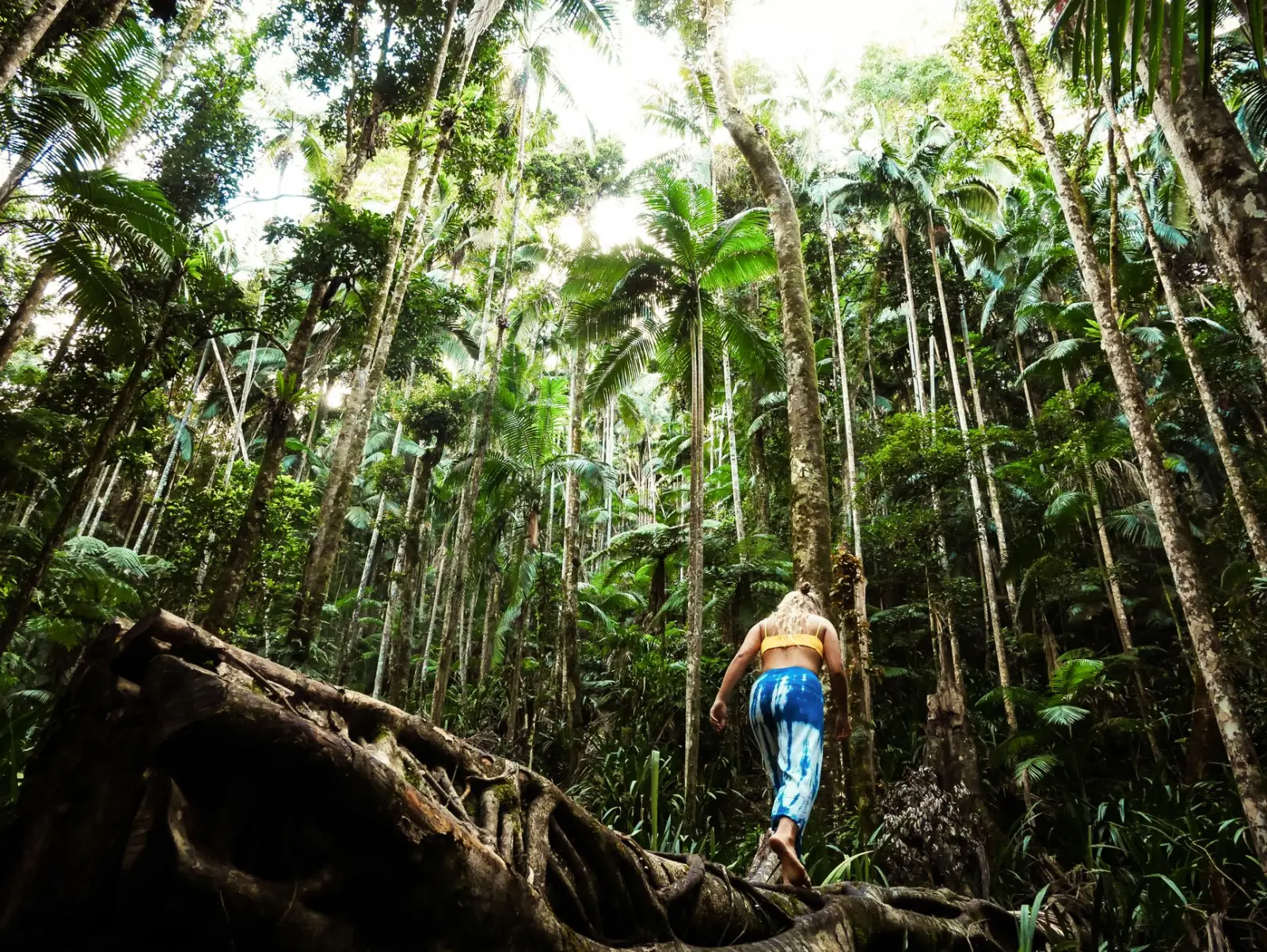
The rainforest canopy around Cape Tribulation is dense enough that you rarely see the full picture at once. Most animals are present but not visible – they’re moving through layers of vegetation that your eyes can’t penetrate from the ground. This is important to understand before you walk into the forest expecting wildlife to announce itself. You’ll spend long stretches hearing nothing but your own footsteps and the ambient sound of insects, then suddenly encounter something that makes the waiting worthwhile.
What’s Actually Common
Cassowaries are the animal everyone asks about, and yes, they’re here. They’re also the animal most people never see, despite the forest being their home. I’ve encountered them maybe half a dozen times across years of visits, usually by accident when rounding a bend on a walking track. They’re large enough to be unmistakable – a six-foot-tall flightless bird with a distinctive blue and black head – but they avoid people more consistently than the mythology suggests. The danger narrative around cassowaries is overblown in tourism material. They’re genuinely dangerous if cornered or protecting young, but they’re far more interested in moving away from you than toward you. The real issue is that people sometimes feed them deliberately or leave food unattended, which breaks their natural avoidance behavior. If you encounter one, the correct response is simple: give it space and let it pass.
What you will see far more often are smaller birds. The rainforest here supports an enormous diversity of birdlife, and many species are vocal enough that you’ll hear them before seeing them. Kookaburras, various honeyeaters, and parrots move through the canopy constantly. Bower birds are present too, though spotting them requires patience and luck. I’ve found that early morning walks, before the midday heat drives most activity underground, yield the most sightings.
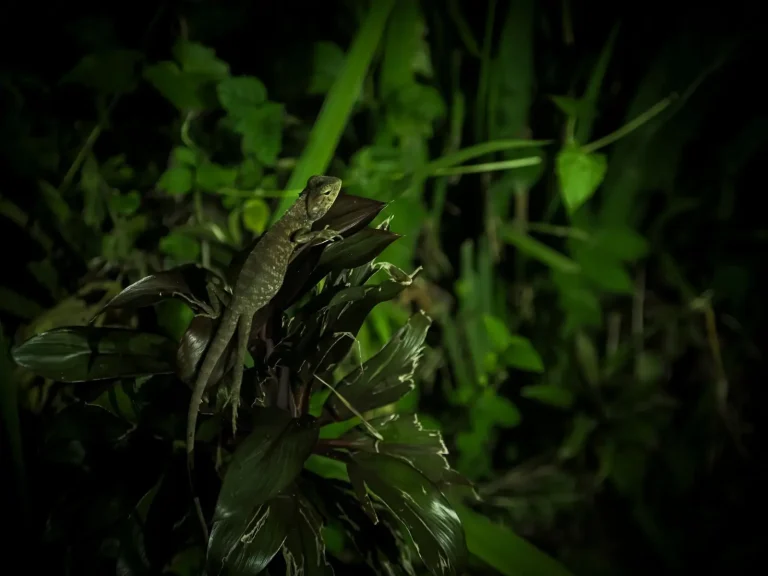
Lizards are genuinely abundant. You’ll see monitors, skinks, and smaller species on the forest floor and climbing trees. They’re not dangerous and they’re not particularly interested in you, but they’re present enough that you’ll start noticing them once you know what to look for. The larger monitors can reach impressive sizes and move with surprising speed when they choose to.
Nocturnal Species and What You Miss in Daylight
A significant portion of Cape Tribulation’s rainforest wildlife is nocturnal, which means a daytime walk through the forest is essentially a partial experience. Possums, gliders, tree kangaroos, and numerous frog species are active at night and essentially invisible during the day. If you want to encounter this side of the ecosystem, you need to either stay in the forest after dark or do a dedicated night walk with someone who knows the forest well. Night walks are available through local operators, and they reveal an entirely different animal community. The forest transforms – it becomes louder, more active, and populated by creatures you wouldn’t know existed from a daytime visit.
Frogs are particularly vocal at night, especially during or after rain. The soundscape of the rainforest at night is dominated by frog calls, which can be startling if you’re not expecting it. Some species are cryptic enough that you can hear them for years without ever seeing them. Others are visible if you know where to look – on leaves, on the ground, in water sources.
Snakes, Spiders, and the Things People Fear Most
Snakes are present in the rainforest, and yes, some are venomous. This fact generates disproportionate anxiety among visitors. In reality, snake encounters are uncommon, and unprovoked attacks are rarer still. I’ve walked these forests extensively and seen snakes occasionally, usually on or near the track, usually moving away. They’re not aggressive animals – they’re trying to avoid you as much as you’re trying to avoid them. The key is wearing appropriate footwear (closed shoes, not sandals) and watching where you step and place your hands. Most bites occur when people try to handle or provoke snakes, which is something you simply shouldn’t do.
Spiders generate similar anxiety, and again, the reality is less dramatic than the fear. Large spiders are present – huntsman spiders, various orb-weavers, and others. They’re not interested in biting you. They’re interested in insects. You’ll see webs strung across the forest, and you’ll occasionally see the spiders themselves, but encounters are brief and non-threatening. If you’re genuinely arachnophobic, the rainforest will test that, but the actual danger is minimal.
Smaller Creatures That Define the Experience
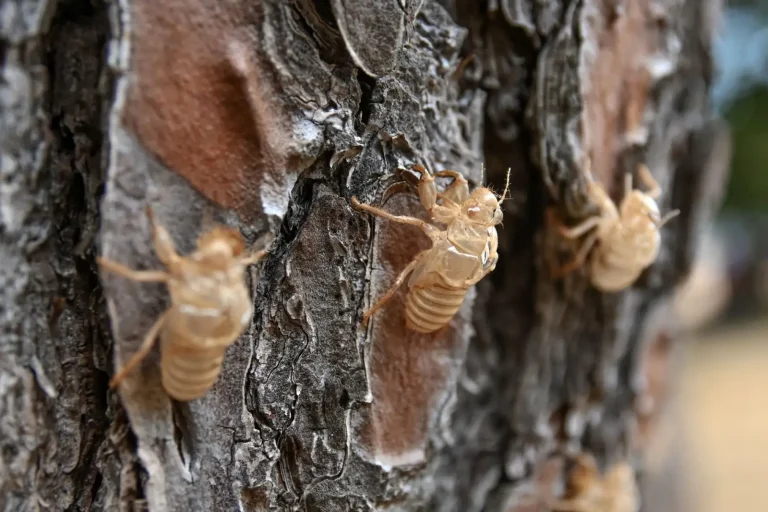
The animals that actually shape your experience of the rainforest are often the ones people don’t specifically come to see. Insects are everywhere – butterflies, beetles, ants, termites. They’re the ecological foundation of the forest, and they’re far more visible than larger animals. Butterfly species here are genuinely diverse and often strikingly colored. Ants form massive colonies and create visible structures throughout the forest. These smaller creatures are worth paying attention to because they reveal how the forest actually functions.
Crocodiles are present in some water sources around Cape Tribulation, particularly in estuaries and mangroves. Saltwater crocodiles are a legitimate hazard, and you should take warnings about swimming in unfamiliar water seriously. They’re not common in the rainforest proper, but they’re present in waterways, and the risk is real enough that local advice should be followed without question.
Movement Through the Forest
How you move through the rainforest affects what you see. Slow, quiet movement yields more sightings than hurried walking. Staying on marked tracks is essential – not just for your safety, but because the forest is fragile and unauthorized paths damage vegetation and disturb animals. The rainforest around Cape Tribulation is protected for good reason, and respecting those boundaries matters.
Timing matters too. Early morning is generally better than afternoon. Overcast days can be better than bright sunny days because more animals are active. After rain, the forest comes alive in ways it doesn’t during dry periods. If you visit during the wet season, expect higher humidity, more insects, and more active animal behavior overall.
The wildlife around Cape Tribulation is real and diverse, but it’s also not a performance designed for your observation. Most animals are present but not visible, active but not obvious. The forest rewards patience and respect more than it rewards expectation. Spend time there, move slowly, listen carefully, and you’ll see more than you would by rushing through with a camera and a checklist.