Mapleton Plateau sits in Queensland’s hinterland with a particular kind of forest that doesn’t announce itself well from the carpark. The walks here have a reputation for being accessible, family-friendly even, but that reputation masks a more complex reality. I’ve moved through these forests dozens of times over several years, and what strikes me most is how the difficulty shifts depending on which direction you’re walking, what time of year it is, and how recently the local council has cleared the track.
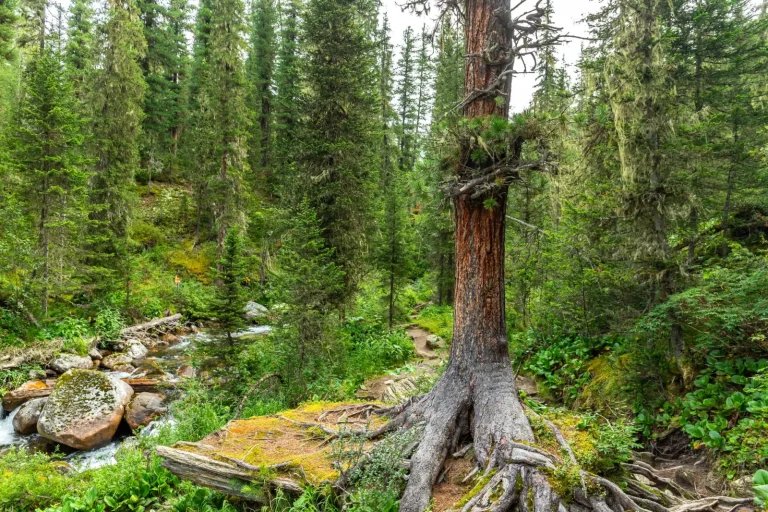
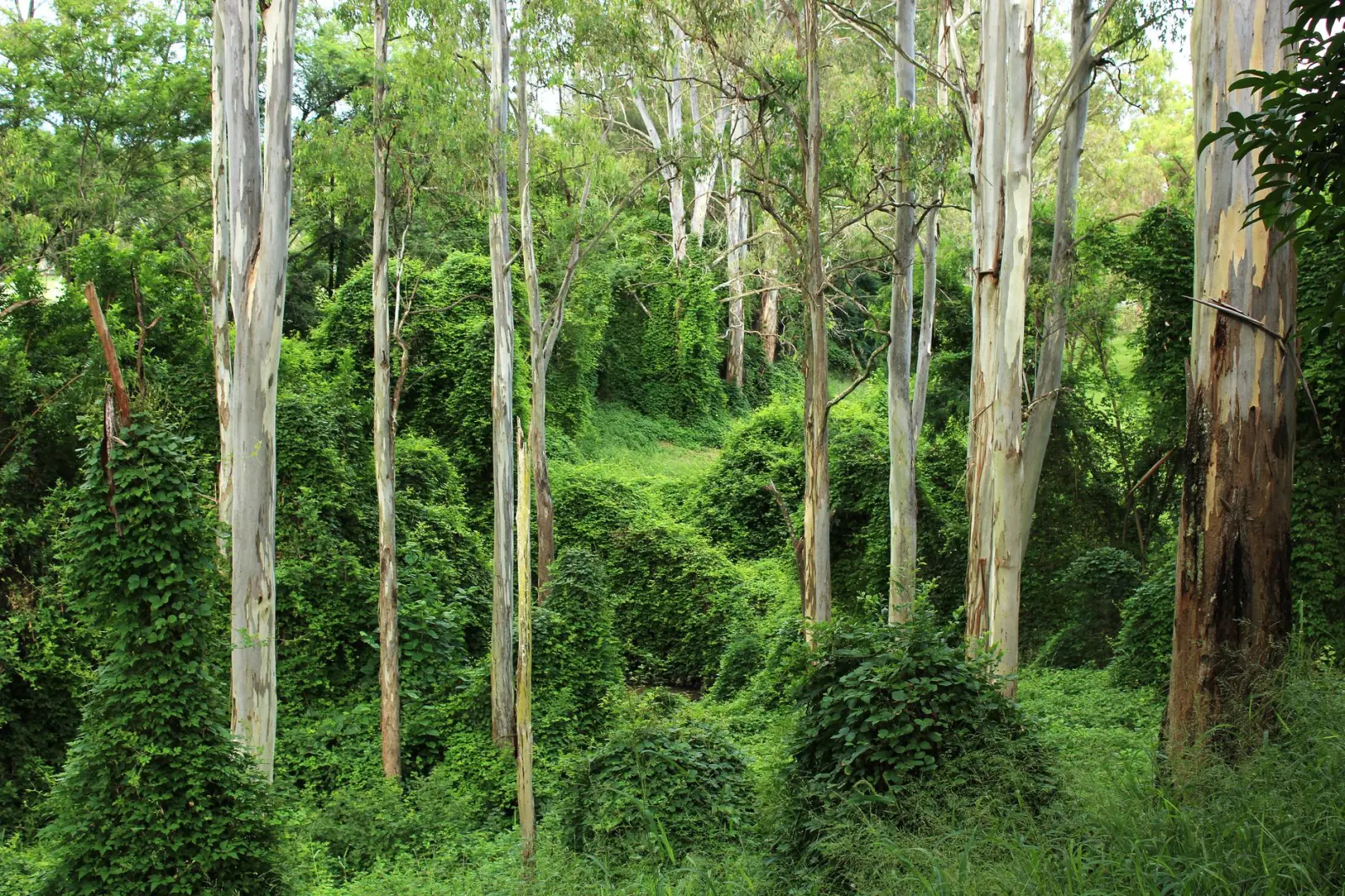
The plateau rises to about 650 metres, and the forest composition changes noticeably as you gain elevation. Lower sections tend toward open eucalypt with dense understory – the kind of growth that looks manageable from a distance but requires constant attention to footing. Higher up, the vegetation shifts toward subtropical rainforest character, with closed canopy and root systems that have worked themselves into the walking surface over decades. This isn’t dramatic topography, but it’s relentless in its own way.
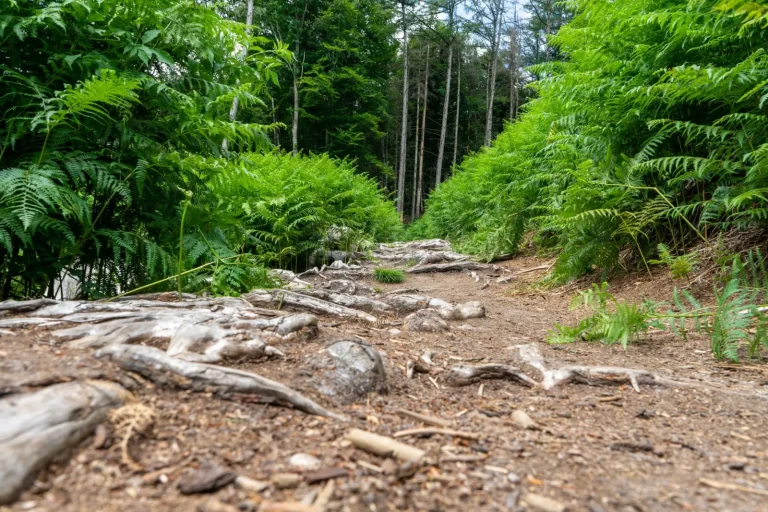
Most people arrive expecting a straightforward walk. The tracks are marked, the distances are modest, and the plateau itself is established tourism infrastructure. What catches many visitors off-guard is the cumulative effect of the terrain. A two-hour walk here isn’t the same as a two-hour walk on a manicured trail elsewhere. The ground is rarely flat or predictable. Roots cross the path at shin height. Loose rocks appear without warning. The canopy closes in enough that you’re navigating by track markers rather than by sight lines, which changes how you move through the space.
Water and Drainage Patterns
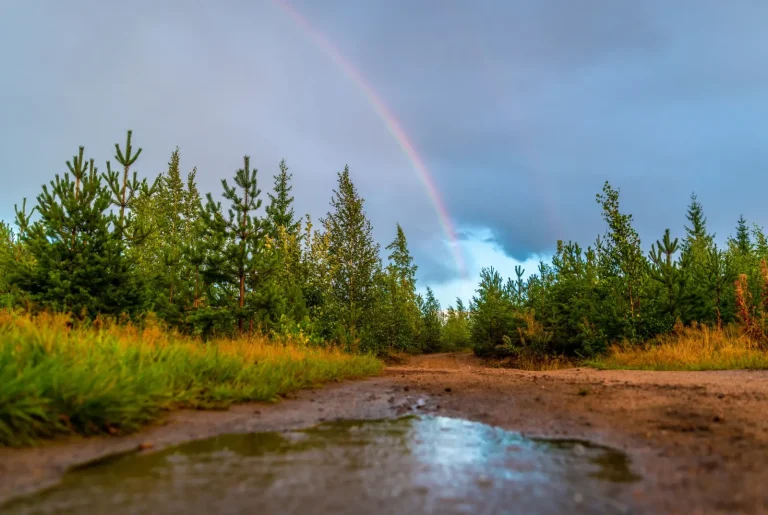
The plateau’s elevation means water management is constant. During wet season or after heavy rain, the forest floor becomes a network of small channels and boggy sections. The tracks don’t have formal drainage infrastructure in most places, so water finds its own path, and that path is often the walking surface. I’ve seen sections that are reliably muddy from June through September, even if there hasn’t been recent rainfall. The soil holds moisture differently here than in lower-lying areas.
This creates a practical problem that’s easy to underestimate. Muddy sections slow movement significantly. What might be a 45-minute walk in dry conditions can stretch to 75 minutes when you’re picking your way around waterlogged patches or stepping carefully across exposed roots that are slippery from moisture. Footwear matters more than most walkers anticipate. Runners or light hiking shoes lose grip quickly. Proper hiking boots with decent tread are genuinely necessary, not optional.
Visibility and Navigation
The closed canopy creates persistent dimness. Even on clear days, the light reaching the forest floor is filtered and soft. This has two effects. First, it makes the track itself harder to follow at times. The markers are there, but your eye doesn’t naturally land on them the way it does on a sunlit trail. Second, it affects your sense of time and progress. The unchanging light makes distance feel longer than it is. You lose the psychological markers that come from moving through different light conditions.
Navigation is straightforward if you’re paying attention, but attention is a finite resource on a walk. I’ve encountered people who’ve taken wrong turns at unmarked junctions, not through carelessness but because the visual cues are subtle. The plateau has several loop options and connecting trails, and some intersections aren’t as clearly signed as they could be. Carrying a map or having downloaded offline maps is sensible, not paranoid. Phone navigation can be unreliable under heavy canopy in some pockets.
Fatigue and Pacing
The walks here don’t feel steep, which is precisely why pacing goes wrong. People set off at a pace that feels comfortable on flat ground, then find themselves tired sooner than expected. The constant minor undulations and uneven footing demand more from your legs and core than a genuinely steep climb would. It’s not dramatic, but it’s cumulative. By the midpoint of a two-hour walk, many people are noticeably more fatigued than they anticipated.
This matters because fatigue changes decision-making. Tired people make navigation mistakes. They move less carefully over roots and rocks. They’re more likely to turn back or cut corners. I’ve seen people abandon walks they could easily have completed simply because they misjudged their energy expenditure early on. The solution isn’t complex – it’s starting slower than feels necessary and accepting that the pace will be moderate throughout.
Seasonal Variation
The forest changes character across seasons in ways that affect the walk more than elevation or distance alone would suggest. Summer brings humidity that makes the air feel thick and movement slower. The mosquito activity is real, particularly near any wet areas. Autumn is generally the most pleasant – cooler, drier, fewer insects. Winter can be surprisingly cold at elevation, and frost on the canopy creates slippery sections. Spring brings new growth that sometimes obscures the track temporarily.
Weather can turn quickly. The plateau sits high enough to catch cloud and mist that lower areas avoid. I’ve started walks in clear conditions and found myself moving through fog within an hour. This isn’t dangerous in itself, but it changes navigation difficulty and visibility significantly. Wind is another factor. The exposed sections at higher points can be surprisingly blustery, particularly in autumn and winter.
The forest demands respect without requiring fear. It’s not a wilderness walk, but it’s not a park stroll either. The people who move through it comfortably are the ones who’ve accepted that it’s going to be slower than the distance suggests, that footing requires attention, and that the closed canopy and uneven terrain are features of the place, not problems to be overcome. Over time, the rhythm of walking here becomes familiar. The challenges don’t disappear, but they stop being surprises.