
Spending time in an Australian rainforest during cicada season is an experience that catches most visitors off guard. The sound arrives before you fully process what’s happening – a layered, pulsing drone that seems to come from everywhere and nowhere at once. After years of working in and around these environments, I’ve learned that cicada choruses are far less random than they initially appear. They follow predictable seasonal patterns tied to temperature thresholds, and understanding when and why they emerge changes how you experience the rainforest.
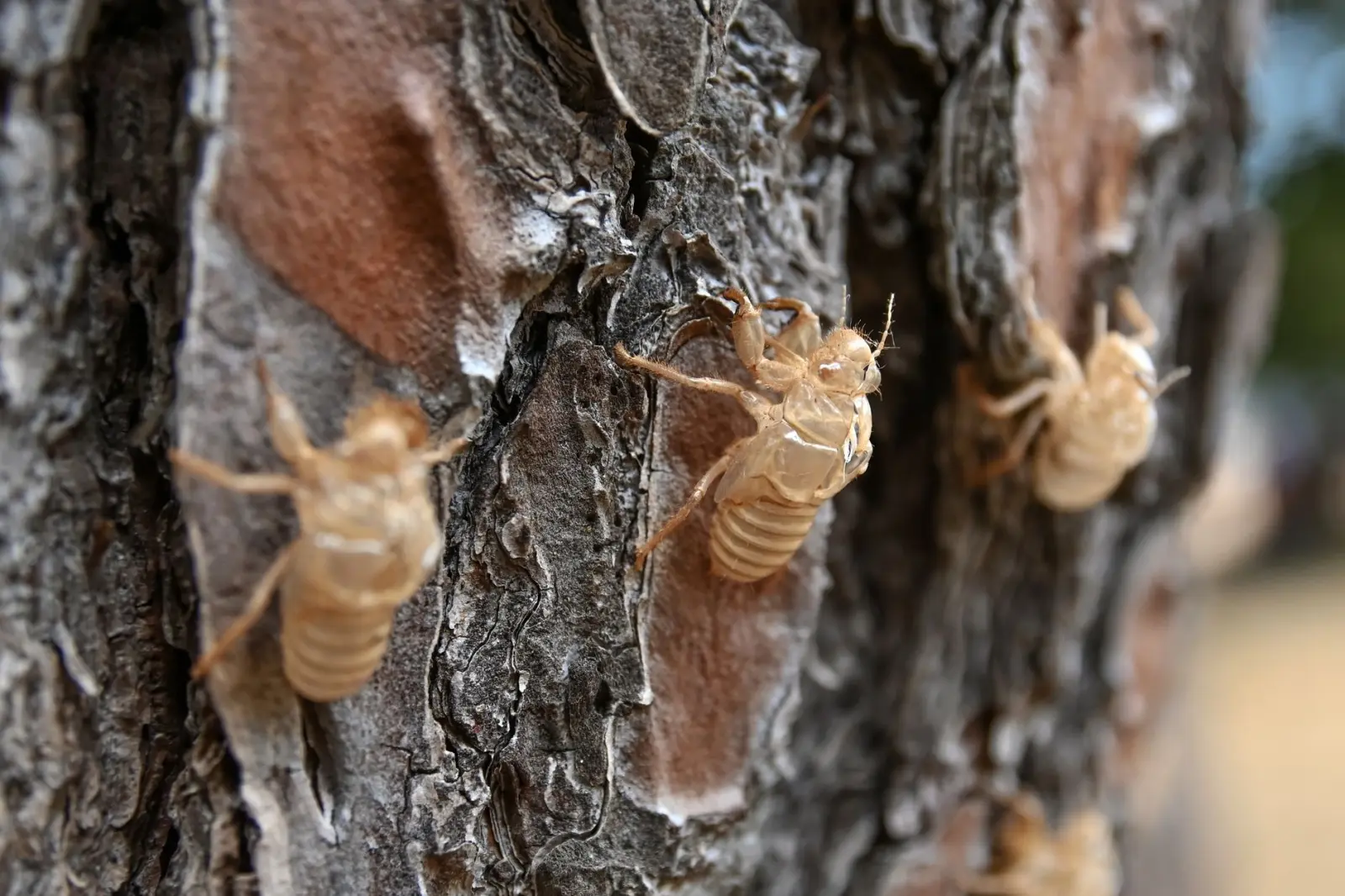
The cicadas themselves are not a single species. Australian rainforests host dozens of cicada species, each with slightly different emergence windows and call patterns. What most people encounter during a visit is a composite chorus – multiple species calling simultaneously, creating that overwhelming wall of sound. The timing of this chorus is not arbitrary. Cicadas are ectothermic insects, meaning their activity is directly regulated by ambient temperature. They don’t emerge and begin calling until conditions reach a threshold that allows their physiology to function properly. In most Australian rainforest regions, this threshold sits somewhere between 25 and 28 degrees Celsius, though some species are more temperature-sensitive than others.
The Seasonal Window and Regional Variation
In subtropical rainforests along the Queensland coast and northern New South Wales, the main cicada chorus typically builds through November and December, peaks in January and February, and begins to taper by March. This timing is not fixed – it shifts based on how quickly temperatures climb in spring and how long they remain elevated into autumn. A cooler-than-average November might delay the peak by two to three weeks. An unusually warm autumn can extend the chorus into April. I’ve observed this variation repeatedly when returning to the same locations in different years.
Tropical rainforests further north, particularly around Cairns and the Daintree, sometimes show a slightly earlier onset in October and a more compressed peak, though the overall pattern remains consistent. Elevation plays a significant role as well. Rainforest areas at higher altitudes – say, 800 meters or above – experience delayed emergence because temperatures remain cooler. A rainforest in the McPherson Range or on the Atherton Tableland will have a noticeably quieter January compared to lowland coastal rainforests, with the main chorus often arriving in February or even March.
This variation matters if you’re planning a specific experience. If you want to experience the full intensity of a rainforest chorus, visiting during February in a lowland subtropical rainforest is a reliable bet. If you’re seeking a quieter rainforest experience and want to avoid the peak noise, aim for May through September, when temperatures are too low to trigger sustained calling. October and November are transitional months where you might hear sporadic calling on warm afternoons but not the full chorus.
What Drives the Chorus to Peak
The intensity of a cicada chorus is not simply about temperature. It’s also about humidity, day length, and the accumulated warmth over preceding weeks. A single hot day in December won’t trigger a full chorus if the preceding weeks have been cool. Cicadas respond to sustained warmth – the kind that indicates the season has genuinely shifted. This is why the chorus builds gradually rather than appearing suddenly. Late November often brings scattered calling from early-emerging species. By mid-December, more species join in. By late January, you’re hearing the full ensemble.
Humidity also influences calling behavior. Cicadas are more active and vocal on humid days, particularly after rain or in the early morning when moisture levels are highest. I’ve noticed that a dry spell in January can temporarily reduce chorus intensity, even if temperatures remain high. The sound returns noticeably within a day or two of rain. This is worth noting if you’re tracking cicada activity over multiple days in the same location. A quiet afternoon doesn’t necessarily mean the chorus is ending – it might simply reflect local humidity conditions.
Daily Patterns Within the Seasonal Chorus
Beyond seasonal timing, cicadas follow predictable daily patterns that most visitors don’t anticipate. The chorus is typically loudest in the late morning and early afternoon, roughly between 10 AM and 3 PM. This is when ambient temperature peaks and when cicadas are most energetically active. Early mornings and late afternoons are noticeably quieter. Evenings are often silent, though some species do call at night in specific circumstances.
This daily rhythm matters if you’re trying to experience the rainforest on your own terms. If you want to walk through the forest without the overwhelming chorus, an early morning departure – say, before 9 AM – will give you a much quieter experience. If you want to hear the full intensity, mid-afternoon is your window. I’ve found that many visitors inadvertently time their rainforest visits to miss the peak chorus simply because they start walking at dawn or prefer late-afternoon excursions. Neither is wrong, but it’s worth being intentional about what you’re seeking.
Species Variation and Acoustic Differences
Not all cicada calls sound the same. Some species produce a high-pitched, almost metallic whine. Others create a lower, pulsing buzz. A few produce distinctive rhythmic patterns that stand out from the background drone. If you spend time listening carefully, you can sometimes distinguish individual species within the composite chorus. This requires patience and repeated exposure, but it’s a rewarding skill if you’re genuinely interested in the rainforest ecosystem.
The most common species in subtropical rainforests include the greengrocer and the floury baker, both of which produce relatively loud, sustained calls. Smaller species contribute higher-frequency components to the overall chorus. During peak season, the sheer number of calling individuals creates an almost overwhelming acoustic environment. This is why some people find the chorus beautiful and immersive, while others find it exhausting. There’s no objective answer – it depends on your tolerance for sustained noise and your interest in the underlying biology.
The chorus is ultimately a sign of ecological health and seasonal progression. It indicates that temperatures have risen sufficiently to trigger breeding activity, that the rainforest is entering its warm, wet season, and that the ecosystem is functioning according to long-established patterns. If you’re visiting an Australian rainforest between December and March, expect the chorus. Plan around it if you prefer quiet, or lean into it if you’re curious about what drives this seasonal phenomenon. Either way, understanding the underlying timing and triggers transforms the experience from a simple annoyance into something more meaningful.