
The myrtle beech forests of Tasmania occupy a particular place in Australian ecology that most visitors don’t immediately grasp. They’re not the dramatic, tall-timber forests that dominate the state’s tourism marketing. Instead, they’re dense, intricate, and often surprisingly difficult to move through. I’ve spent enough time walking through these forests to recognize the patterns in how they grow, how they change, and what they demand from anyone who ventures into them seriously.
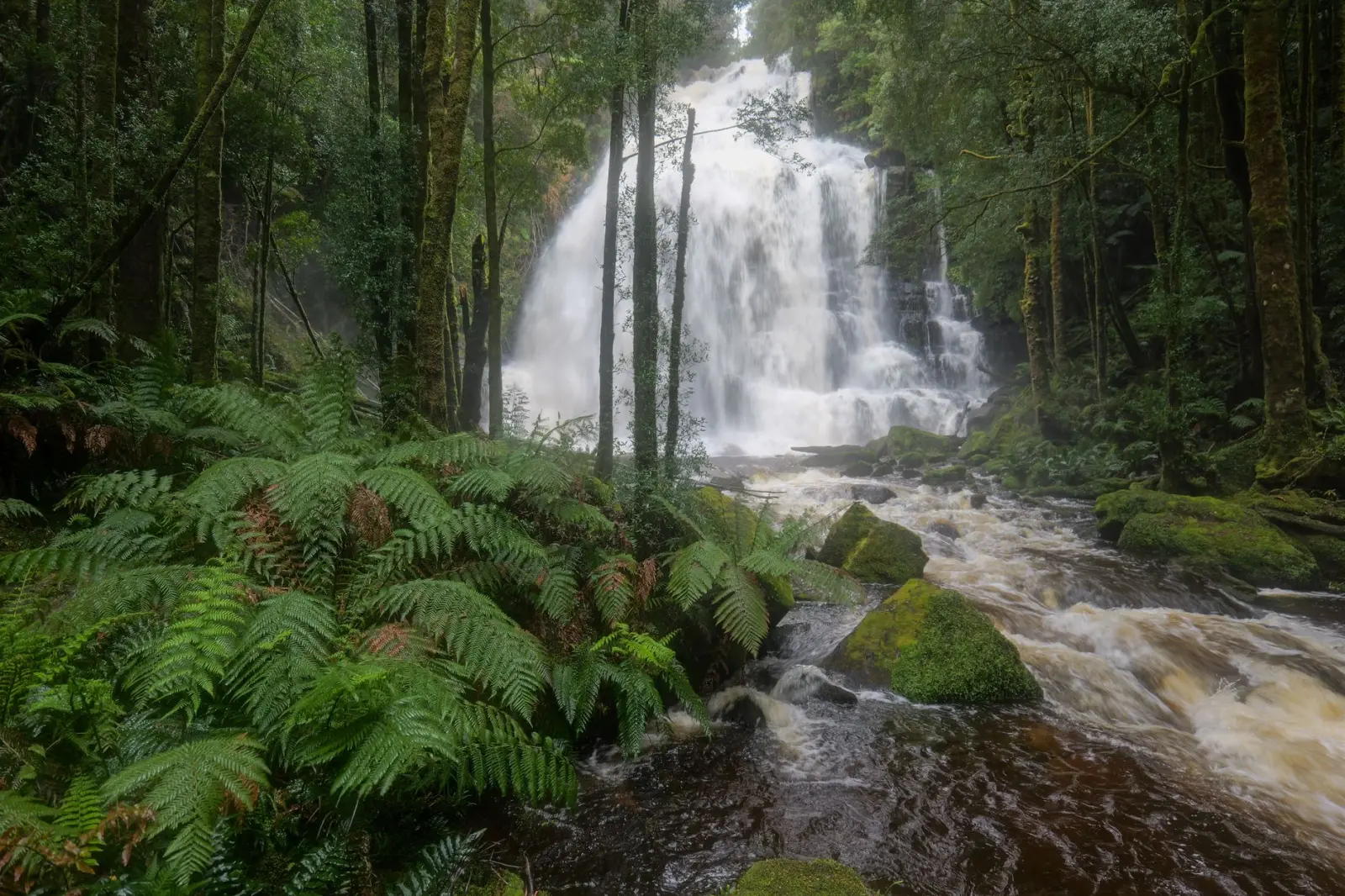
Myrtle beech – Nothofagus cunninghamii – is a rainforest tree that grows slowly and lives for centuries. The forests it creates are layered in a way that feels almost architectural. The canopy closes so thoroughly that the forest floor exists in permanent twilight. This isn’t a metaphor. Even on bright days, the light reaching ground level is diffuse and greenish. Your eyes take time to adjust, and photography becomes genuinely difficult without proper equipment. The understory is thick with smaller trees, ferns, and moss-covered logs that have been decomposing for decades. Movement through these spaces requires constant attention to foot placement.
Terrain and Physical Demands
What strikes most people first is how uneven the ground is. Fallen logs in various stages of decay create natural obstacles. Some are solid enough to walk across. Others collapse under weight. The forest floor itself is rarely flat – it’s a tangle of root systems, rocks, and accumulated organic matter that shifts subtly as you walk. Hiking boots with good ankle support are not optional here. I’ve seen people attempt these walks in trail runners or casual hiking shoes and regret it within the first kilometer.
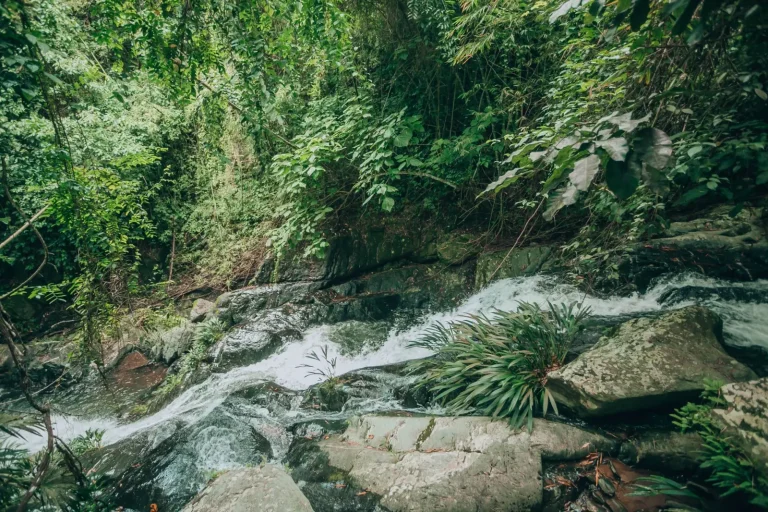
The wetness is another factor that changes how you move. Myrtle beech forests retain moisture constantly. Even in drier months, the ground stays damp. After rain, which is frequent, sections become genuinely boggy. The moss that covers everything – trees, rocks, fallen logs – becomes slippery. It’s not dramatic slipperiness like wet rock, but it’s enough to make you recalibrate your pace. You can’t stride confidently. You step carefully, test your footing, and move methodically. This affects timing significantly. A walk that might take two hours on a well-maintained track can take three or four hours through dense myrtle beech forest.
Seasonal Variation and Visibility
Winter and early spring are when these forests feel most oppressive. The canopy is so dense that even seasonal leaf loss doesn’t dramatically improve light. The cold is persistent rather than sharp. You’re rarely freezing, but you’re rarely warm either. The dampness seems to penetrate layers that would normally keep you dry elsewhere. I’ve found that thermal base layers matter more here than in alpine environments where you can generate heat through exertion. The forest’s insulation works both ways – it keeps cold in as effectively as it keeps warmth out.
By late spring and summer, the forest doesn’t become dramatically different, but the psychological experience shifts. Ferns unfurl. Mosses seem to glow greener. The air feels fresher, though it’s still heavy with moisture. Light angles improve slightly. Visibility extends a bit further. These are subtle changes, but they matter when you’re spending hours in an environment where your visual range is typically only ten or fifteen meters ahead.
Wildlife and Quiet
The sound profile of myrtle beech forest is distinctive. It’s not silent, but it’s muffled. The dense vegetation absorbs sound. Bird calls that would carry clearly in open forest become localized and intimate. You hear the constant drip of water from the canopy even when it’s not raining. Underfoot, the soft ground mutes your own footsteps in a way that feels almost eerie. Most people find this quietness striking, though opinions vary on whether it’s peaceful or unsettling.
Wildlife encounters are rare but not nonexistent. Wallabies use these forests, though you’re more likely to see their tracks and droppings than the animals themselves. Lyrebirds are common but elusive. Their calls echo through the forest in ways that make their location impossible to pinpoint accurately. Smaller creatures – possums, gliders, echidnas – are present but nocturnal or cryptic. The forest feels inhabited without being obviously populated.
Navigation and Practical Considerations
GPS works in myrtle beech forest, but poorly. The dense canopy degrades signal. Maps are essential, but they’re also humbling because the terrain is so intricate that small-scale features matter disproportionately. A creek that looks insignificant on a map can be a genuine obstacle on the ground. Fallen trees block routes that appear clear from above. Navigation requires constant reference checking and patience. This is not a place where you can walk confidently without regular map consultation.
Water is abundant but requires treatment. Streams run through these forests constantly, but they carry sediment and organic matter. Filtration or chemical treatment is necessary. Dehydration is less of a concern than in drier environments, but it still happens because the physical demands are steady and the cool temperature masks exertion.
Time estimates for walking these forests should be conservative. The terrain and navigation demands mean that progress is slower than instinct suggests. A route that looks straightforward on a map often takes significantly longer in practice. Building in buffer time isn’t cautious – it’s realistic. I’ve seen experienced walkers underestimate these forests and end up pushing hard to exit before dark, which creates its own risks.
The myrtle beech forests of Tasmania are not difficult in the sense of being dangerous, though they demand respect. They’re difficult because they’re intricate, slow-paced, and unforgiving of careless movement. They reward patience and attention. For people accustomed to hiking on maintained tracks or in more open terrain, they represent a genuinely different experience. The forest’s density, the constant moisture, the muted light, and the physical demands of navigation create an environment that feels removed from the rest of Tasmania, even though these forests exist within a few hours of major towns. Understanding what to expect – not just intellectually but physically – makes the difference between a difficult walk and a manageable one.