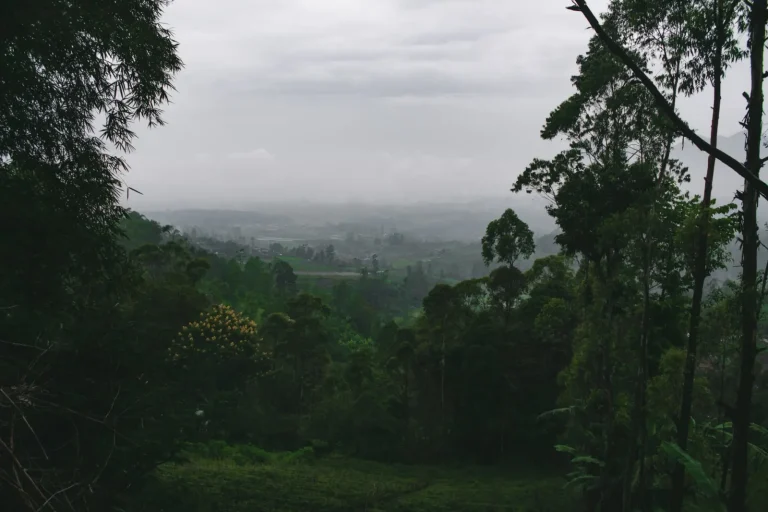

Malanda sits in the heart of the Atherton Tableland, surrounded by some of the oldest tropical rainforest in Australia. If you’ve spent time moving through this landscape, you quickly understand that “rainforest” is a broad term that conceals significant variation. The forests around Malanda aren’t uniform. They shift in density, composition, and difficulty depending on elevation, drainage patterns, and land management history. Understanding these differences matters if you’re planning to spend real time here rather than passing through.
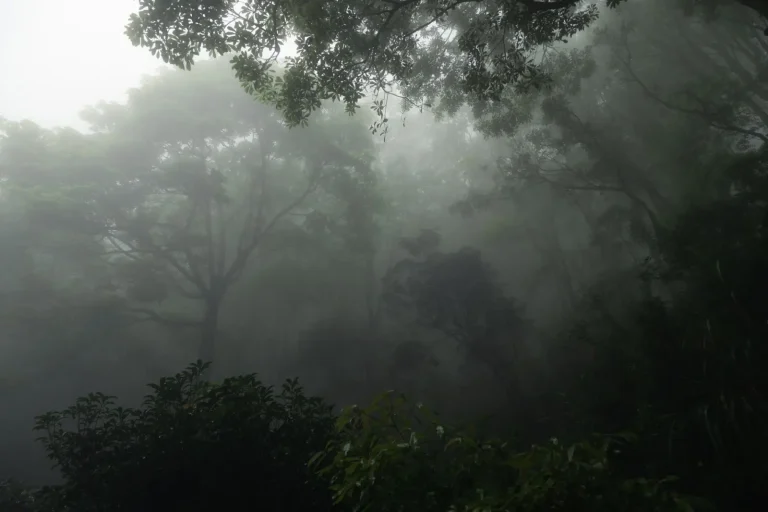
The dominant forest type in the immediate Malanda district is what ecologists call wet sclerophyll mixed with subtropical rainforest elements. In practical terms, this means tall trees – often 30 to 50 meters – with a dense understory that ranges from manageable to impenetrable depending on where you are. The canopy closes overhead in most areas, which keeps the forest floor relatively open in some places and choked with fallen logs and regrowth in others. Moisture is constant. Even on days without rain, the air holds water, and the ground stays damp. Visibility rarely extends more than 20 or 30 meters ahead, which changes how you navigate and how you perceive the landscape.
Terrain and Movement
Walking through Malanda’s rainforest requires adjustment. The ground is uneven – not dramatically mountainous in most areas, but textured with root systems, fallen timber, and subtle elevation changes that tire legs faster than flat terrain would. Trails exist, but they’re often poorly maintained or overgrown depending on foot traffic and recent weather. After heavy rain, drainage lines become temporary watercourses, and what was a walkable path becomes slippery and eroded. The wet climate means vegetation grows fast and reclaims space quickly. A trail that’s clear one season may be obscured by regrowth the next.
The forest floor itself is a mix of leaf litter, moss, and exposed roots. Footing is generally secure if you’re paying attention, but the moisture and organic matter mean your boots will be wet within minutes. Proper footwear matters more here than in drier environments. Flat-soled shoes slip on wet moss and roots. Even good hiking boots need to be genuinely waterproof, not just water-resistant. Gaiters are practical if you’re moving through dense vegetation, though many people skip them and accept the wet socks as part of the experience.
Vegetation Patterns and Access
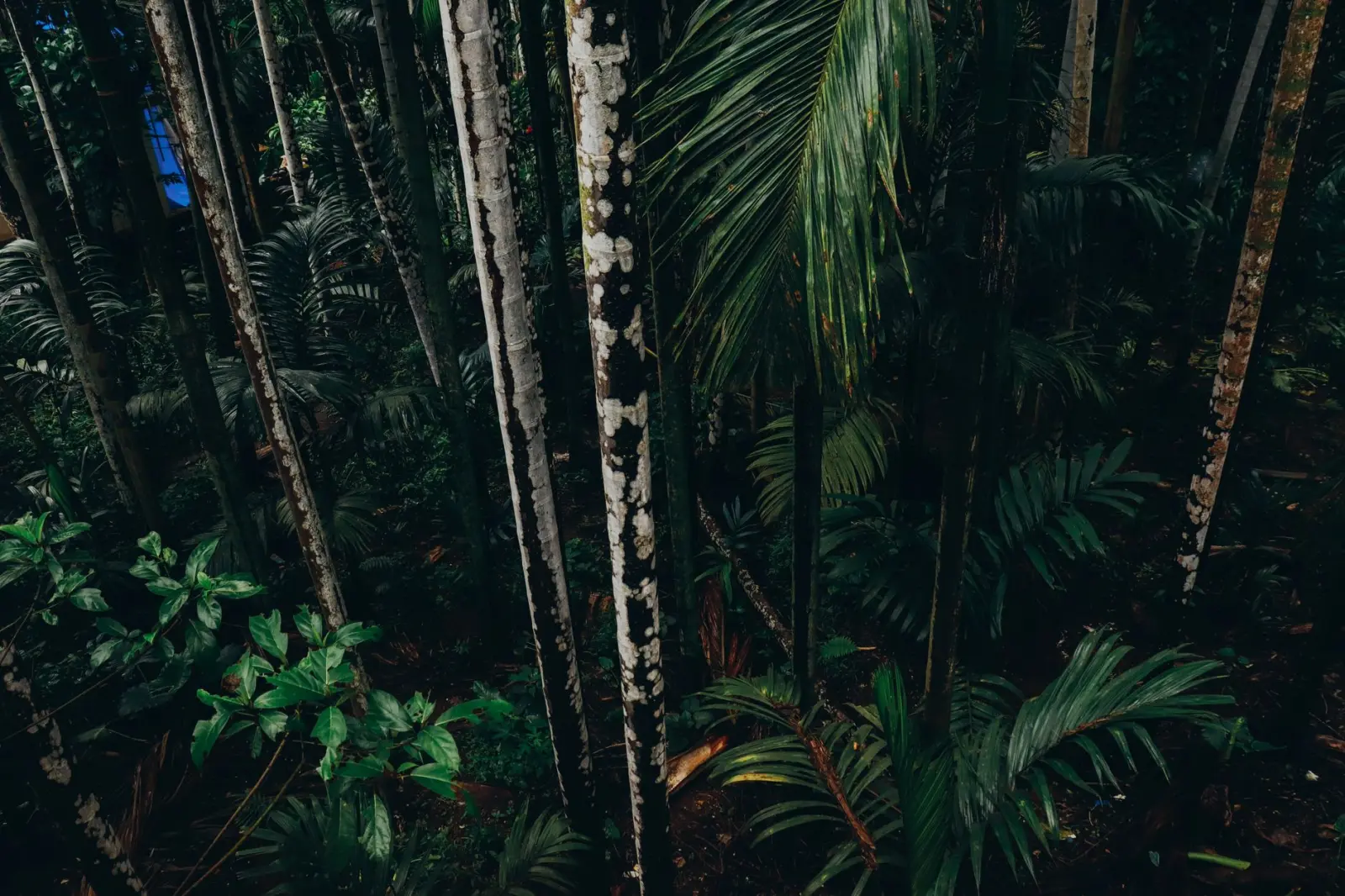
The density of understory vegetation varies noticeably across the region. Near Malanda itself and around established walking tracks, the forest has been managed or is naturally more open. Move away from these areas, and you encounter thicker regrowth – particularly in patches where logging occurred decades ago and the forest is regenerating. These zones are harder to move through. Vines, lawyer cane, and dense shrubby growth slow progress significantly. It’s not impossible, but it’s the kind of terrain where you cover half the distance you’d normally expect in the same time.
Water is everywhere in Malanda’s rainforest. Creeks and drainage lines are common, and many are permanent. The water is generally clear and cold, flowing from higher elevations on the tableland. Crossing these isn’t typically difficult – most are shallow and slow-moving – but the banks are often slippery and overgrown. The sound of water is constant in the forest, which can be disorienting if you’re trying to navigate by landmarks. Multiple creeks sound similar, and it’s easy to lose track of which direction you came from.
Climate and Seasonal Shifts
Malanda receives significant rainfall year-round, but the wet season (November to March) is noticeably different from the drier months. During wet season, the forest is at its most active – vegetation is lush, water flows freely, and humidity is oppressive. Movement is slower, and the risk of slipping increases. The forest floor becomes genuinely boggy in low-lying areas. Insects are more active, particularly mosquitoes in the early morning and late afternoon. The drier months (June to September) bring relief from constant moisture, but the forest is still wet by most standards. Trails dry out enough to be more pleasant, and visibility through the canopy improves slightly as some vegetation dies back.
Temperature variation is minimal throughout the year. The forest stays warm and humid even in winter months. This means you don’t need heavy insulation, but you do need breathable clothing that dries quickly. Cotton absorbs moisture and stays wet; synthetic fabrics are more practical. The humidity also affects how your body cools itself, which means exertion in the rainforest feels more taxing than equivalent effort in drier climates.
Wildlife and the Soundscape
The rainforest around Malanda has a distinctive acoustic environment. Birds are present but often heard rather than seen. The canopy is too dense for easy spotting. Cicadas create a constant background noise during warmer months, which some find meditative and others find monotonous. Frogs are vocal, particularly near water and after rain. Larger animals – cassowaries, wallabies – are present but rarely encountered unless you’re moving very quietly early in the morning. Most people spend time in this forest without seeing significant wildlife, though evidence of it is everywhere: scat, feeding marks on trees, disturbed leaf litter.
Insects are unavoidable. Mosquitoes, sandflies, and various biting insects are present, particularly in warmer months and near water. Leech activity increases during wet season. Proper insect repellent is practical, though it’s never entirely effective. Long sleeves and pants reduce exposure, but they also increase heat stress in the humid environment. It’s a trade-off that most people resolve by accepting some bites and managing them after the fact.
Practical Realities for Visitors
If you’re planning to explore these rainforest landscapes, several practical considerations emerge from repeated experience. First, time moves differently in dense forest. Distances that seem short on a map take longer to cover. Second, the forest is genuinely disorienting for people unfamiliar with it. Navigation by landmarks is unreliable when everything looks similar. Marked trails are safer than bushwhacking, even if they’re less direct. Third, the landscape is resilient but not indestructible. Staying on established tracks reduces impact and also reduces your own risk of getting lost or injured.
The rainforest around Malanda is accessible and worth exploring, but it demands respect for its conditions. It’s not hostile, but it’s unforgiving of carelessness. The combination of dense vegetation, constant moisture, uneven terrain, and disorienting sameness means that preparation and realistic expectations matter more than enthusiasm. Most people who spend time here develop a quiet appreciation for its complexity rather than the dramatic awe that other landscapes inspire. That’s often a more durable response anyway.