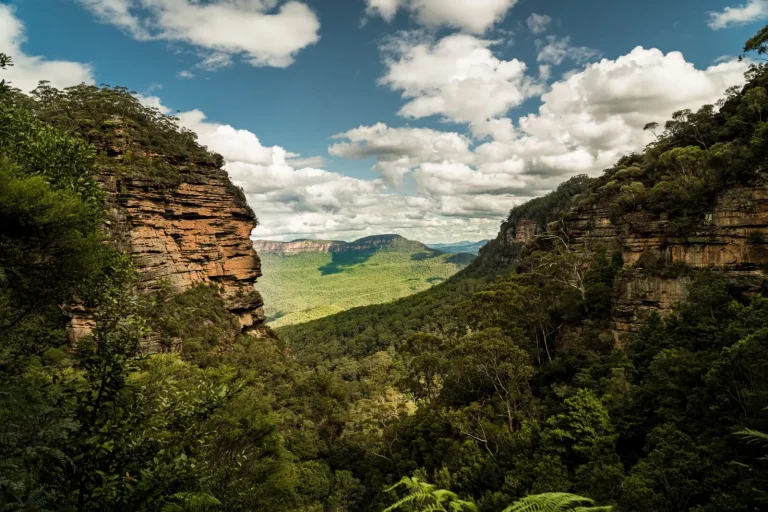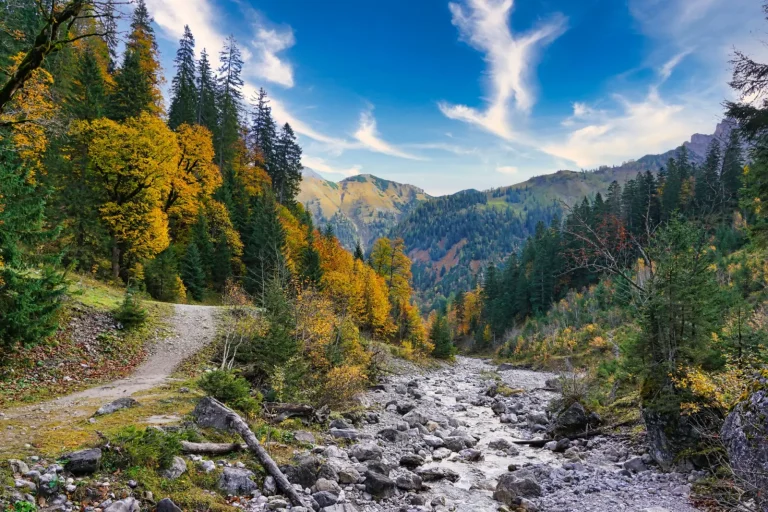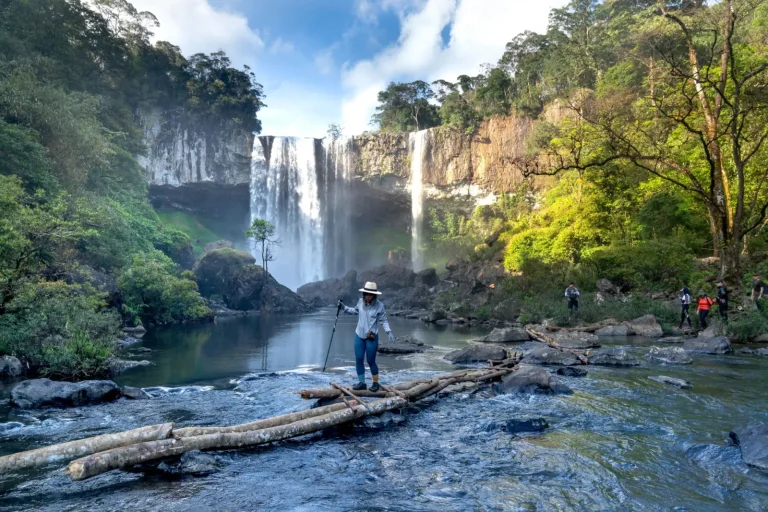

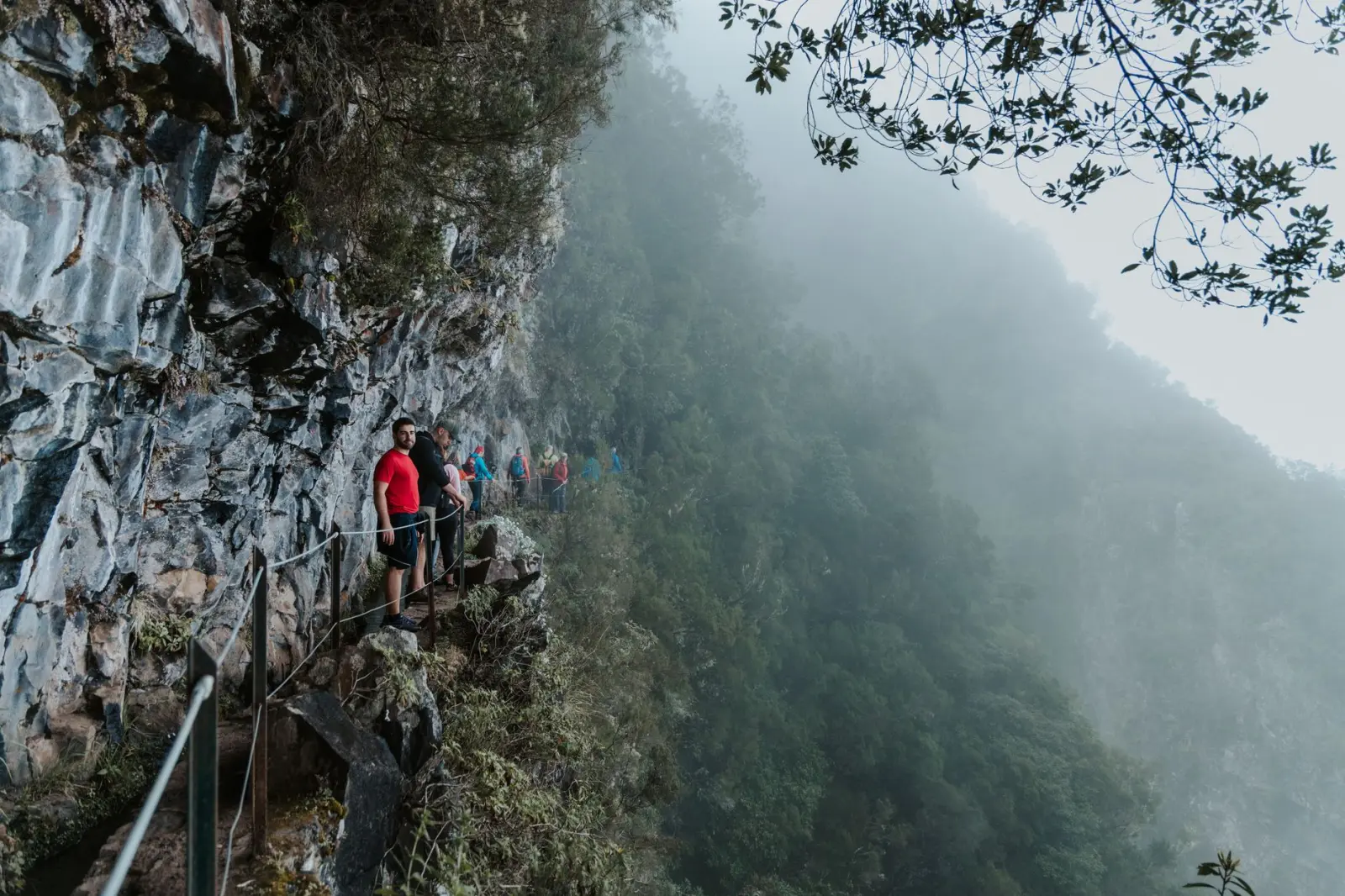
The New England plateau in northern New South Wales holds some of the oldest subtropical rainforest in Australia, but most people approach these walks with incomplete information. They arrive with expectations shaped by photographs taken in perfect light, or they underestimate how quickly conditions change between seasons. After spending considerable time on these trails, I’ve found that success depends less on which walk you choose and more on understanding what the forest actually demands.
The rainforest here sits at altitude, which means weather patterns differ sharply from coastal subtropical areas. Mist rolls in unpredictably, visibility drops to metres, and the temperature can shift fifteen degrees in an hour. The canopy is dense enough that rain continues falling for minutes after it stops overhead. Humidity stays high even during dry spells. These aren’t minor inconveniences – they shape how you move through the forest and what you can realistically accomplish in a day.
Point Lookout and the Reality of Popular Routes
Point Lookout is the most visited walk on the plateau, and for sound reasons. The trail is well-maintained, the lookout genuinely offers views across to Queensland on clear days, and the rainforest sections are representative of what grows here. The walk takes roughly two hours return from the car park, which fits neatly into a half-day itinerary.
What catches people out is the timing. The lookout faces east, which means morning light is direct and harsh. The best visibility typically occurs between mid-morning and early afternoon, but by then the plateau often develops cloud cover as air warms. If you start after 9 a.m., you’re gambling with conditions. I’ve seen groups reach the lookout in complete fog, unable to see more than a hundred metres in any direction. The walk itself remains rewarding – the forest is quiet and the path is clear – but the payoff of the view becomes uncertain.
The track also narrows significantly in the final approach to the lookout. After rain, the soil becomes slippery despite good drainage. The exposed tree roots that form natural steps become treacherous. Wear footwear with genuine grip, not trail runners with worn soles. The descent is harder on knees than the ascent, particularly if you’ve been on your feet for hours already.
Ebor Falls and the Logistics Problem
Ebor Falls requires a drive into a more remote section of the plateau. The walk itself is shorter – around forty minutes return – but the appeal lies in the falls themselves and the closed-canopy rainforest that surrounds them. The water flow is seasonal; in dry months, the falls reduce to a trickle.
The real issue with Ebor is access. The road deteriorates significantly after heavy rain, and the car park can become boggy enough to trap vehicles. I’ve seen people stranded there waiting for help. Check conditions before committing to the drive, particularly in winter when the plateau receives most of its rainfall. The walk itself is straightforward, but getting there and back matters more than the walk duration suggests.
The falls pool at the base is tempting on warm days, but the water stays cold year-round. The rocks around the pool are slippery, and the depth changes abruptly. People slip regularly. If you’re planning to enter the water, wear shoes with strong grip and move slowly. The pool looks inviting and benign; it isn’t.
Wollomombi Falls and Sustained Effort
Wollomombi Falls is a longer proposition – roughly three to four hours return – and the terrain demands more from your legs and lungs. The walk descends steeply into a valley, crosses a creek multiple times, and climbs back out. The rainforest here is particularly lush, with dense understorey and substantial trees creating a genuine sense of remoteness.
The descent is manageable on the way down, but the ascent on return is where fatigue becomes apparent. By the time you’re climbing back to the plateau after two hours of walking, your quads are working hard. The track is well-defined, but there’s no shortcut and no bail-out point halfway. Plan accordingly. Bring water – more than you think you’ll need. The creek water is not reliably safe to drink without treatment.
The falls themselves are substantial and worth the effort. The pool is deeper than Ebor and the setting is more secluded. The rainforest canopy closes overhead, which means the light is soft and the temperature noticeably cooler. On warm days, this is genuinely restorative. On cold or wet days, it feels isolating.
Seasonal Patterns and Timing
Spring and early summer, roughly October through December, offer the most reliable conditions. The plateau has received winter rain, so water features are full, but the weather is warming and clear days are common. This is when most people visit, which means car parks fill early and trails carry more foot traffic.
Autumn, from March through May, is underrated. The weather is stable, humidity drops, and the crowds thin considerably. The rainforest doesn’t change dramatically with season – it’s evergreen – but the experience of walking through it shifts. The air feels clearer, the light is softer, and you’re less likely to encounter other groups.
Winter and early spring, June through August, bring the most rainfall and the lowest temperatures. Mist is frequent, visibility is poor, and the tracks become muddy. The rainforest is at its most active – more bird calls, more insect activity – but the conditions demand more from you physically. These walks are possible and worthwhile, but they’re not the experience most people expect.
Summer, January and February, is hot and humid. The plateau is warmer than coastal areas, but the heat combined with humidity and dense canopy can be draining. Afternoon thunderstorms are common. If you’re walking in summer, start early and plan to finish by early afternoon.
What Separates Routine Walks from Difficult Ones
The difference between a satisfying walk and a grinding one often comes down to pacing and realistic time estimates. The published times for these walks are generally conservative, which means you might finish faster. But if you’re not accustomed to forest terrain, or if you’re carrying a pack, or if the track is wet, those times compress quickly. I’ve seen people arrive at car parks with only two hours of daylight remaining and attempt walks listed as two-hour returns. It’s a recipe for stress.
Fitness matters, but so does experience on uneven ground. Someone who runs regularly on roads might struggle more on a forest track than someone who walks slowly but regularly on trails. The muscles engaged are different, and the mental demand of navigating uneven terrain shouldn’t be underestimated, particularly in fading light.
The other factor is self-awareness about when to turn back. Weather changes, energy levels drop, or the track conditions prove worse than expected. These walks don’t have emergency services nearby. If something feels wrong – if you’re more tired than you anticipated, if visibility drops significantly, if the track becomes unsafe – the sensible choice is to return. There’s no shame in this. The forest will be there next time.
After many walks on the New England plateau, I’ve found that the best experiences come from realistic planning, early starts, and acceptance of what the weather actually offers on the day. The rainforest is genuinely remarkable, but it rewards respect more than enthusiasm.