
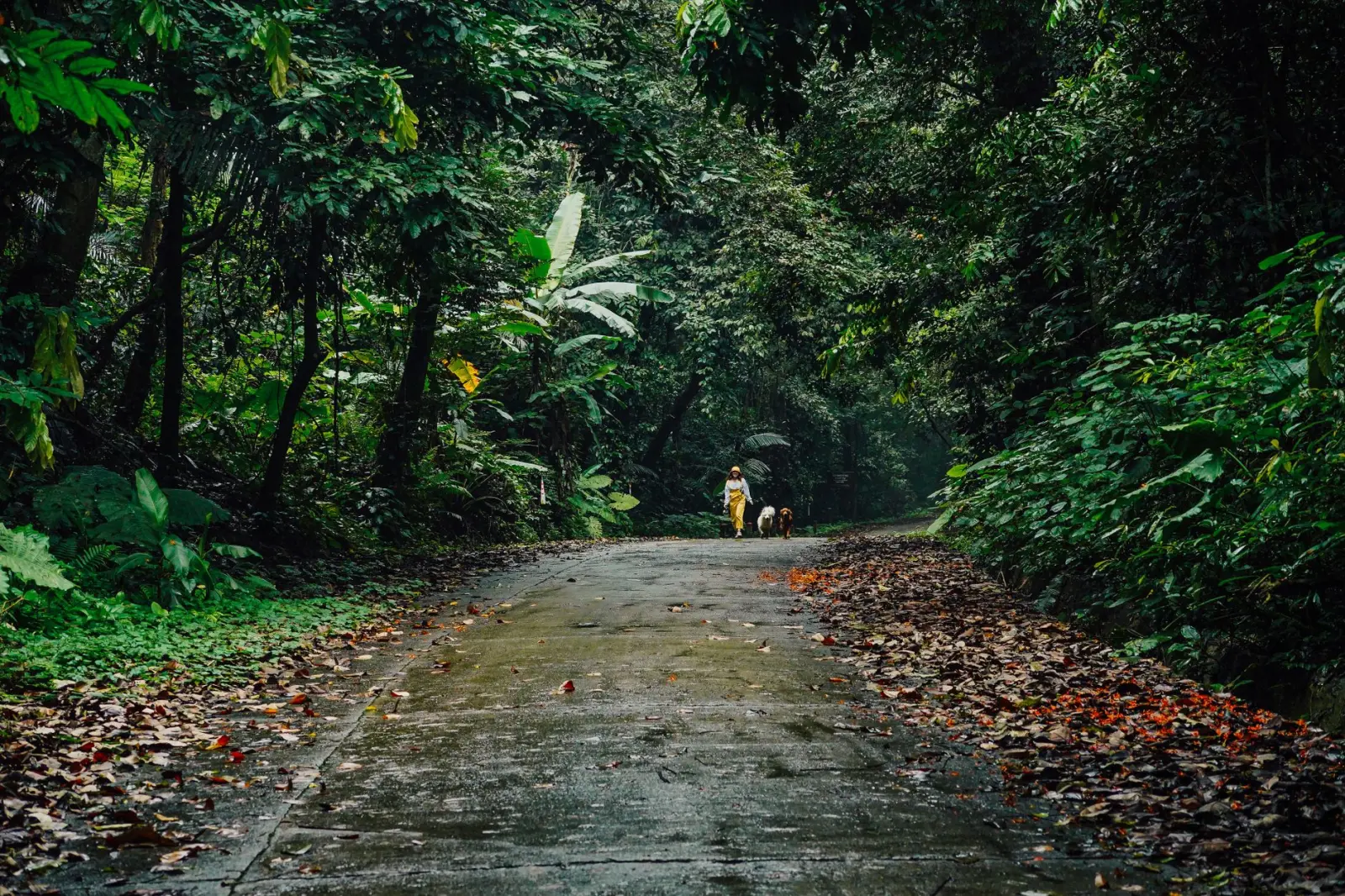
The rainforests around Brisbane are closer than most people realize, but proximity doesn’t mean they’re simple to navigate well. I’ve spent years moving through these subtropical forests – sometimes leading groups, sometimes alone – and the gap between what visitors expect and what they actually encounter is substantial. The forests here aren’t the dense, impenetrable jungles of popular imagination. They’re layered, sometimes sparse, often humid in ways that catch people off guard, and they change dramatically depending on season and exact location.
What makes rainforest walking near Brisbane practical is that several sites sit within an hour’s drive. That matters because it means you can do a meaningful walk without losing half your day to transport. But it also means these places get busy, especially on weekends, and the experience shifts accordingly. The real value comes from understanding what each forest offers, when to visit, and what the physical demands actually are – not just what the tourism websites claim.
Lamington National Park: The Most Accessible Option
Lamington sits about 45 minutes south of Brisbane and is the default rainforest experience for most people visiting the region. The park has infrastructure, marked trails, and enough elevation change to feel like you’ve done something. The subtropical rainforest here is genuine – Antarctic beech trees, tree ferns, moss-covered rocks – but it’s also well-trodden. On any decent weekend, you’ll share the trails with dozens of other people.
The walk most people do is the Picnic Creek loop or the path to Morans Falls. Both are manageable in two to three hours. The forest canopy is thick enough to feel immersive, and the creek systems are genuinely pretty. What catches people is the humidity. Even in cooler months, the air feels heavy and saturated. Your clothes will be damp within twenty minutes of starting, and if you’re not used to subtropical conditions, the physical effort feels harder than the distance suggests. The elevation gain is real but not extreme – maybe 200 to 300 meters on most main trails.
Timing matters significantly here. Early morning – before 9 AM – makes a tangible difference. The trails are quieter, the light is better, and you’ll see more wildlife. By mid-morning, the place fills up with school groups and family outings. The park gets genuinely crowded. If you’re there for solitude or a sense of wilderness, go early or accept that you’ll be navigating around other people.
Karawatha Forest: An Overlooked Inner-City Option
This one surprises people because it’s literally within Brisbane’s boundaries, in the suburb of Toowong. It’s a small patch of remnant rainforest – only about 15 hectares – but it’s dense and authentic. You won’t feel like you’re in the city, even though you’re minutes from suburban streets.
The walk here is short, maybe 20 to 30 minutes if you move slowly and look around. The appeal isn’t distance or difficulty. It’s the sheer density of the forest and the fact that you can do this on a weekday lunch break if you work in Brisbane. The understory is thick, the light is filtered and greenish, and you get a real sense of what subtropical rainforest feels like without the travel commitment. It’s also genuinely quiet on weekdays, which changes the whole experience.
The limitation is obvious: it’s small, so there’s not much to explore. But if you have limited time or you want to test whether rainforest walking appeals to you before committing to a longer drive, this works well. The ground can be muddy, especially after rain, so footwear matters.
Mount Coot-tha: Elevation and Views Rather Than Deep Forest
Mount Coot-tha is technically in Brisbane, on a hill overlooking the city. The rainforest here is thinner and more open than Lamington, and the walk is shorter – usually 30 to 45 minutes to the summit. What you get is elevation gain, views back toward the city and the coast, and a sense of having climbed something. The forest feels more like transitional bushland than dense rainforest, with more open areas and less canopy closure.
This is useful if you want a rainforest-adjacent walk that doesn’t require driving far and doesn’t demand serious fitness. It’s also good if you want to combine a walk with other activities – the summit area has facilities, and the whole outing can fit into a few hours. But if your goal is immersion in subtropical rainforest, the forest itself is secondary here to the location and the views.
Summergrove Rainforest Reserve: Smaller and Quieter
About 30 minutes west of Brisbane, near Karana Downs, this reserve sits on the edge of the Brisbane Valley. It’s much smaller than Lamington and gets a fraction of the visitors. The rainforest here is genuine subtropical forest, with similar species to Lamington but in a more compact space.
The main walk is maybe 45 minutes to an hour, and it loops through the forest and back to the parking area. The experience is quieter and more intimate than the major parks. You’re more likely to see birds and other wildlife simply because there are fewer people. The ground can be boggy in places, and the trail is less formally maintained than Lamington, which means it feels less like a managed attraction and more like walking through actual forest.
The trade-off is that facilities are minimal. There’s parking and a basic map, but no café, no visitor center, and no amenities. If you’re comfortable with that, it’s worth the drive. If you need facilities or prefer well-marked, heavily maintained trails, Lamington is the better choice.
Physical Realities and Seasonal Factors
Rainforest walking near Brisbane is rarely strenuous in terms of distance or elevation, but the humidity and heat change how your body responds. In summer – December through February – the forests are hot and wet. You’ll sweat heavily, and the air feels thick. In winter – June through August – it’s cooler and more pleasant, but the forests can be damp and muddy. Spring and autumn tend to be the sweet spot: warm enough to be comfortable, cool enough that you don’t overheat, and usually drier underfoot.
Insects are present year-round but more active in warmer months. Mosquitoes can be significant after rain. Leeches appear in wetter areas, particularly in summer. Neither is a reason to avoid these forests, but it’s worth knowing what you’re walking into. Long sleeves and insect repellent are practical choices, not paranoid ones.
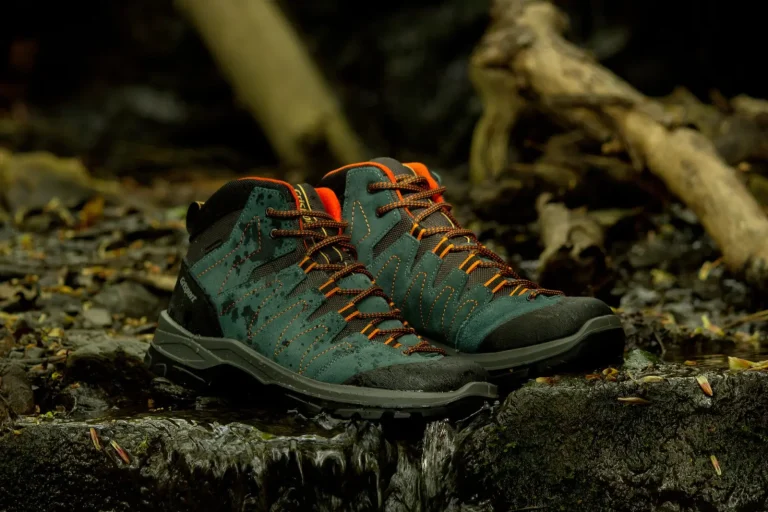
The other factor is that these forests are slippery. The combination of moisture, moss, and loose leaf litter means your footing is never completely secure. Proper footwear – shoes with decent grip, not sandals – makes a real difference. I’ve seen people slip on what looked like flat, easy terrain simply because their shoes had no traction.
When to Go and What to Expect
Weekday visits are noticeably different from weekends, especially at Lamington. If you have flexibility, a Tuesday or Wednesday morning walk will feel less crowded and more peaceful. Early morning – before 9 AM – is consistently better than mid-morning or afternoon across all these sites.
After heavy rain, trails can be closed or become genuinely difficult. The ground becomes saturated, erosion increases, and what’s normally manageable becomes slippery and hazardous. Check conditions before you go, especially if you’ve had significant rainfall in the previous 24 hours.
Most of these walks don’t require special fitness, but they do require comfort with humidity and uneven ground. If you’re new to rainforest walking, start with something shorter – Karawatha or Summergrove – before committing to a longer day at Lamington. The experience teaches you what your body tolerates and what you actually enjoy about being in these forests.