After spending considerable time walking through rainforests across different continents, I’ve noticed that trails near water operate by their own logic. The presence of a river, waterfall, or creek doesn’t just add scenery – it fundamentally alters how the walk unfolds. Water determines where the trail can go, how slippery it becomes, what wildlife you’ll encounter, and how quickly conditions change. Most people approach rainforest walks as if they’re simply forest walks that happen to pass water. That’s where things go wrong.
The best rainforest walks near water share a practical characteristic: they follow the water rather than cross it repeatedly. This matters because every crossing introduces risk, adds time, and disrupts the rhythm of the walk. I’ve found that trails that run parallel to a river or creek, ascending gradually alongside it, tend to be more sustainable and reveal more than trails that dart back and forth. The water becomes a constant reference point rather than an obstacle.
What distinguishes these walks from typical forest hikes is the microclimate the water creates. Humidity intensifies near moving water, vegetation grows denser, and the forest floor remains perpetually damp even when it hasn’t rained recently. Your legs will be wet within the first twenty minutes, not from rain but from brushing against ferns and low vegetation. The air feels heavier, breathing feels different, and fatigue arrives faster than it would on a drier trail. This isn’t a flaw in the experience – it’s the actual experience.
Why Water Proximity Changes Everything
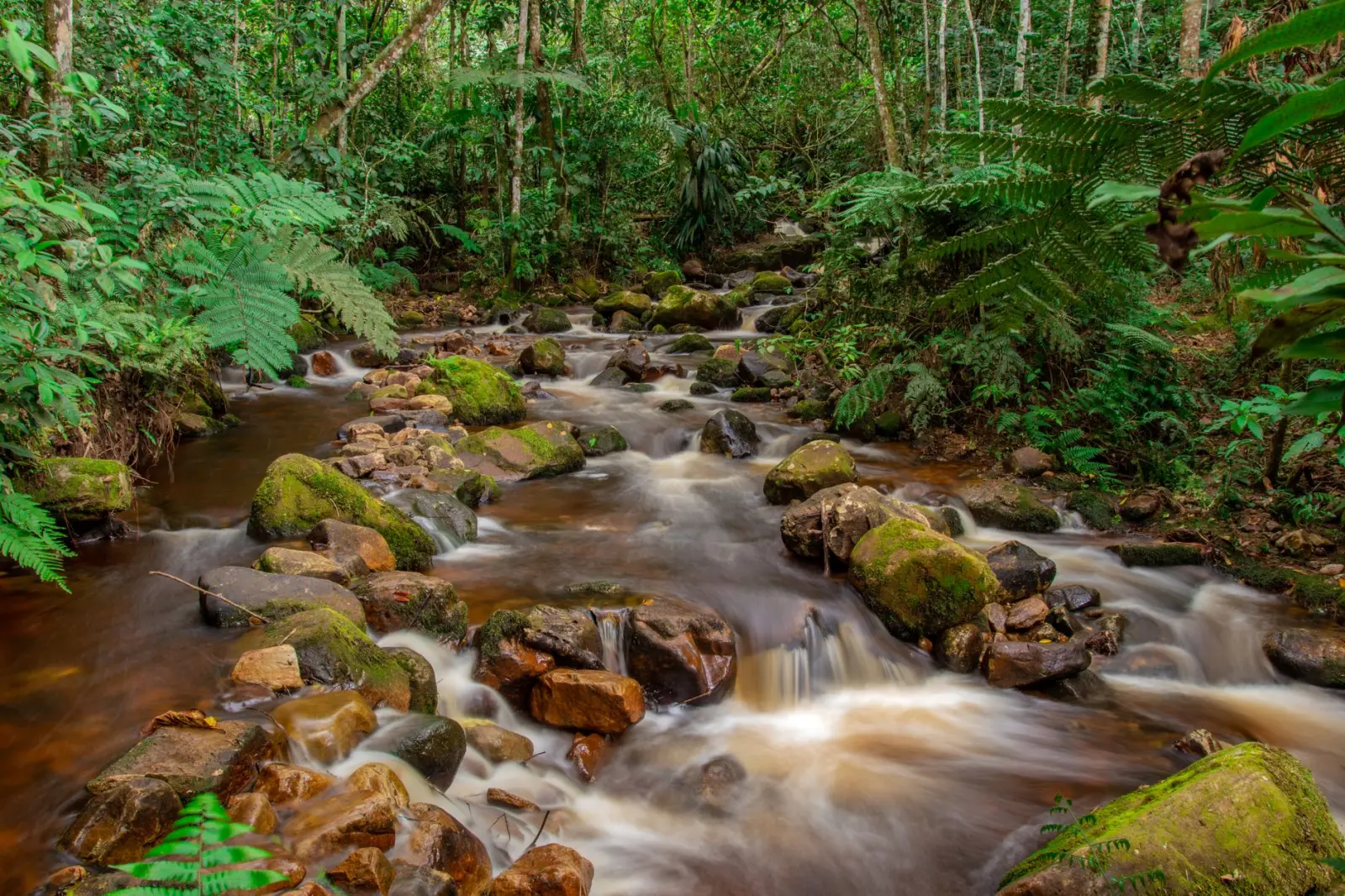
Rainforests near water support different plant and animal communities than those further inland. Moss coverage is thicker, fungi are more visible, and the canopy often opens slightly where water has carved a path. This means better light penetration and more varied vegetation structure. I’ve noticed that sections of trail running beside water tend to have better footing than you’d expect because the regular water flow washes away loose debris and keeps the path relatively defined.
The sound of moving water also changes how you perceive distance and time. A waterfall or rushing creek provides constant acoustic feedback about where you are and how far you’ve come. This can be disorienting at first – the noise masks other forest sounds – but it also means you’re less likely to feel lost or unsure of direction. The water is always there, always moving in the same direction.
Timing and Water Conditions
The state of the water when you walk matters more than most people realize. After heavy rain, rivers swell and become opaque with sediment. Crossings become dangerous, and the water’s roar drowns out everything. Waterfalls become torrential and less visually distinct – just a wall of churning water. I’ve walked the same trail in dry season and wet season, and they feel like different places entirely. Dry season walks offer better visibility of rock formations and clearer water. Wet season walks are more dramatic but also more demanding physically and mentally.
The best window for rainforest walks near water is usually within a few days after rain but before the next downpour. The water level is elevated enough to be impressive, but the trail is passable and visibility is still reasonable. Early morning walks, before the forest heats up and humidity peaks, also tend to be more comfortable. I’ve found that starting before 7 a.m. gives you three to four hours of relatively manageable conditions before the afternoon heat and humidity become oppressive.
What Actually Happens on These Walks
The reality of a rainforest walk near water involves more stopping than forward movement. You stop to navigate a slippery section, to listen to a bird call, to watch water flow over rocks, to wring out your socks. The pace is slow – rarely more than two kilometers per hour over several hours – and this slowness is not a limitation but the point. These aren’t endurance walks. They’re observation walks where water is the organizing principle.
Footwear makes a genuine difference here. Waterproof hiking boots with good grip are standard, but I’ve found that shoes designed specifically for wet terrain – with drainage holes and aggressive tread – outperform traditional hiking boots. Your feet will be wet regardless, so the question is whether water drains quickly or pools inside your shoes. Gaiters help keep debris out but add heat. Most experienced walkers I know simply accept wet feet and focus on maintaining good footing.
The wildlife experience near water differs from general rainforest walks. You’re more likely to see birds, especially wading species and kingfishers, because they congregate near water sources. Mammals tend to drink at dawn and dusk, so daytime walks see fewer large animals but more insect activity. The sound of water masks your approach, which can work both ways – animals don’t hear you coming, but you also can’t hear them moving through the forest.
Regional Variations Worth Knowing
Rainforests in different regions present different water-based hiking experiences. Tropical rainforests in Southeast Asia tend to have smaller, more frequent streams with gentler gradients. Central and South American rainforests often feature more dramatic waterfalls and steeper terrain. African rainforests near water tend to have more exposed rock and clearer water visibility. These differences affect trail difficulty, what you see, and how long walks take.
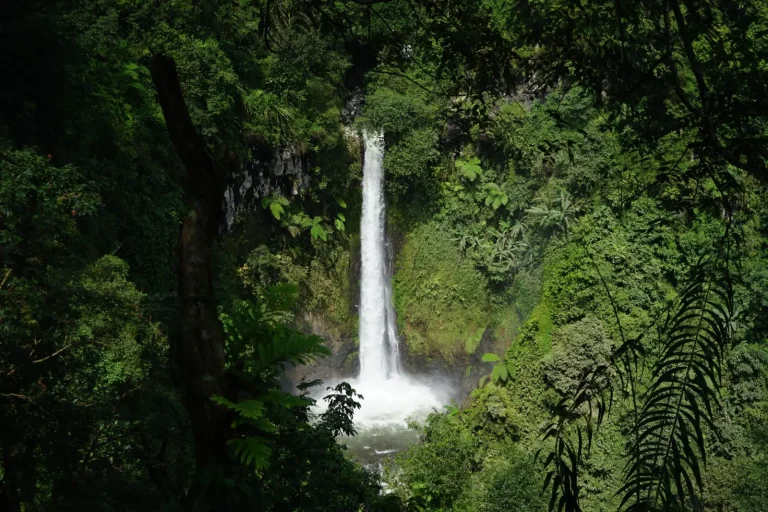
The type of water matters too. Rivers move predictably and create established trails along their banks. Waterfalls are destination points – you walk to them rather than along them. Creeks and smaller streams offer more intimacy but require more careful navigation. I’ve found that walks designed around waterfalls tend to be shorter and more intense, while river-following walks can be longer and more meditative.
One thing I’ve consistently observed is that the best rainforest walks near water aren’t the most famous ones. The heavily promoted waterfall trails often feel crowded and worn, with sections that have become almost staircase-like from overuse. The genuinely good walks are usually slightly off the main circuit – longer approaches, less obvious parking, or requiring local knowledge to find. These trails maintain their character because they’re not optimized for volume.
The physical toll of rainforest walking near water accumulates differently than on other terrain. Your legs don’t necessarily ache more, but your feet, ankles, and knees work harder because of the unstable footing and constant micro-adjustments. Fatigue is more mental than physical – the concentration required to move safely through wet, uneven terrain depletes energy faster than the actual distance covered would suggest. A four-hour walk near water feels longer than a four-hour walk on a stable trail.
If you’re planning these walks, expect to move slowly, dress for being wet, start early, and accept that the experience is as much about the water’s presence as it is about covering distance. The best walks are the ones where you stop frequently, listen carefully, and let the pace of the water set the rhythm.