
Richmond Range National Park sits in the far north of New South Wales, straddling the border with Queensland. The rainforest here is old growth, dense, and genuinely remote in places. Over several visits across different seasons, I’ve learned that what you actually see depends heavily on time of day, weather patterns, and how much patience you’re willing to invest. The wildlife is there – abundant, in fact – but it doesn’t perform on a tourist schedule.
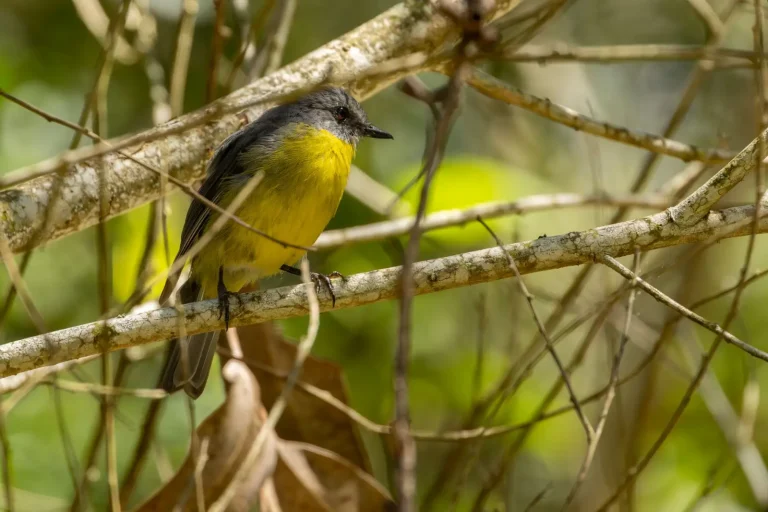
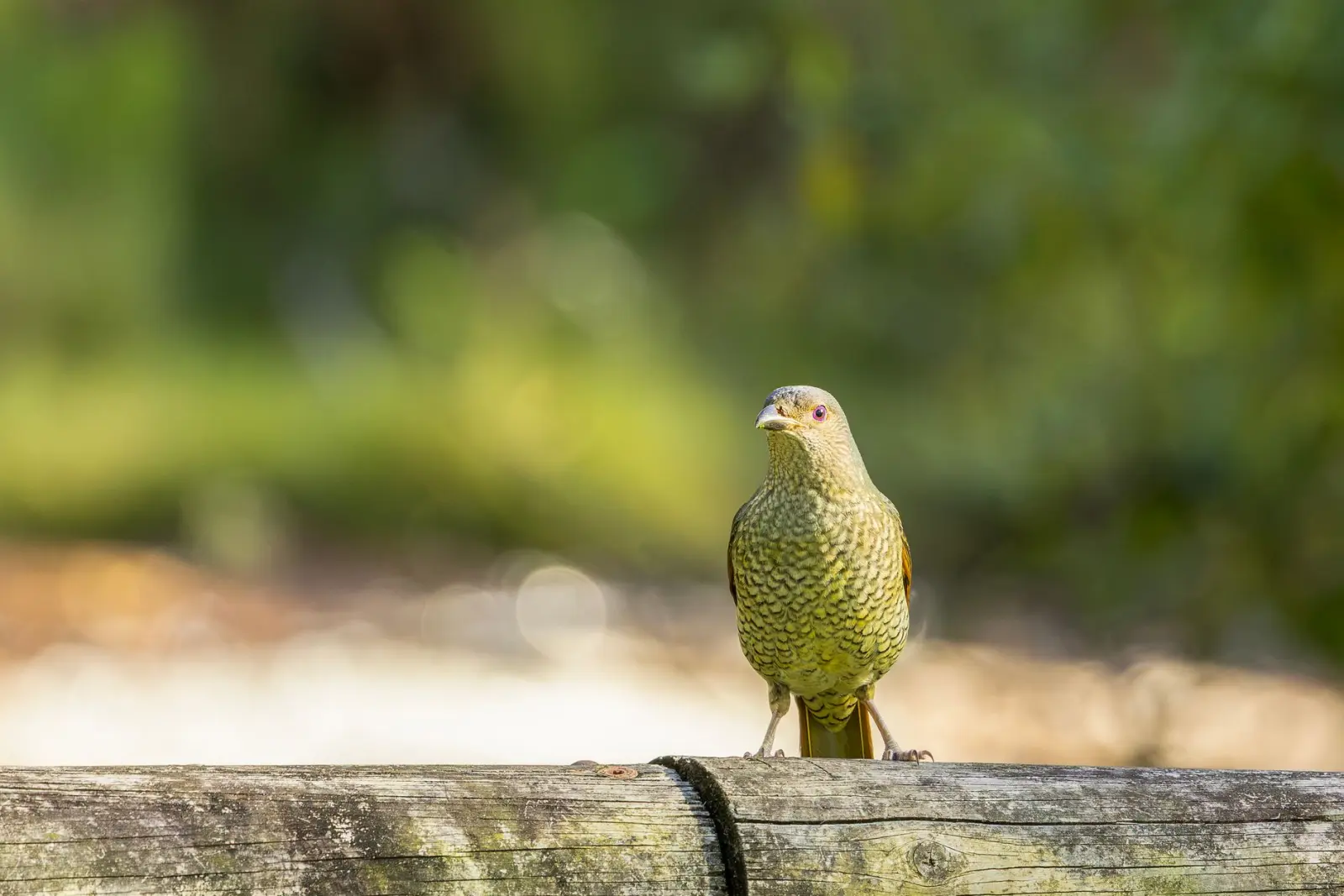
The most reliable animals to encounter are the birds. Early morning, particularly between 5:30 and 7:30 AM, the forest becomes almost overwhelming with sound. Whipbirds crack their distinctive calls through the understory. Regent bowerbirds, with their glossy black plumage and golden markings, move through the canopy with purpose. I’ve watched them for years, and they follow predictable patterns – certain trees at certain times, particular perches where they pause to feed. If you’re in the right spot at the right time, you’ll see them. If you’re not, you’ll hear plenty but see very little. The rainforest’s density works against casual observation.
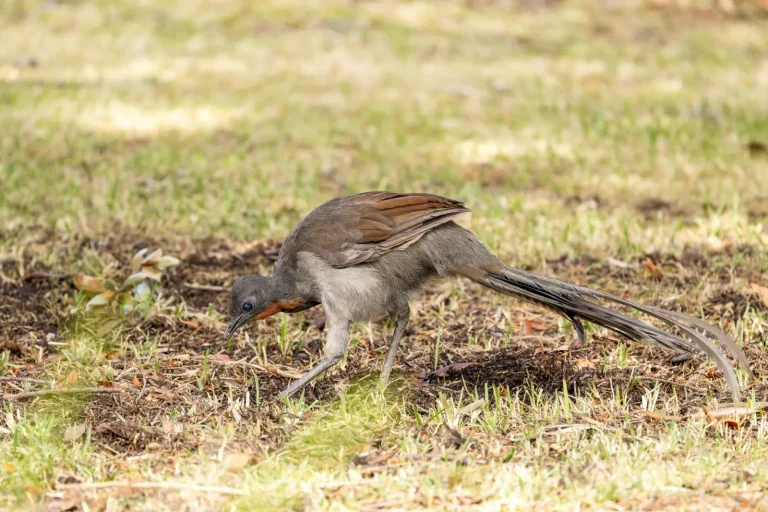
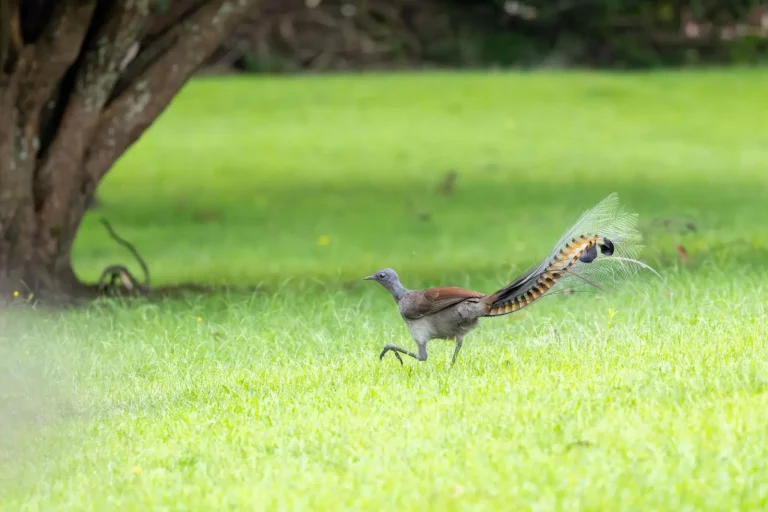
Lyrebirds are present throughout the park, though they’re far less common than many visitors expect. Their mimicry is genuine and extraordinary, but they’re also skittish and spend much of their time on the forest floor, hidden beneath leaf litter and fallen logs. I’ve encountered them perhaps a dozen times across dozens of visits. When it happens, it’s usually by accident – you round a bend and startle one, or you sit quietly for an hour and one emerges from the ferns. There’s no formula. The calls you hear are real, but the bird itself remains elusive.
Mammals and the Timing Problem
Mammals present a different challenge. The rainforest supports a healthy population of common brushtail possums, sugar gliders, and various macropods, but most are nocturnal or crepuscular. You won’t see them during midday walks. Early morning sometimes yields a possum still in a tree, moving slowly back to its den. Dusk is better, but you need to be in the right location and willing to move quietly. I’ve spent evenings in the park watching the forest shift into night mode – the diurnal birds settling, the insects building in volume, and occasionally a possum or glider crossing overhead. It requires patience and acceptance that you might see nothing.
Koalas are present in the park, particularly in areas with suitable eucalyptus. I’ve seen them twice in the rainforest proper, both times high in tall trees, both times by pure chance. They’re not concentrated in any one location, and searching for them is largely fruitless. The park’s rainforest canopy is thick enough that even when koalas are present, visibility is poor.
Echidnas appear occasionally, usually on the forest floor or in open areas near the park’s edges. They move slowly and deliberately, and if you encounter one, it’s typically because you’ve stumbled upon it rather than actively tracked it. I’ve found them more often in autumn and winter than in warmer months.
Reptiles and Amphibians
The park’s reptile and amphibian populations are significant, though observing them requires specific conditions. After rain, particularly in warmer months, frogs become audible – sometimes deafening. The sound is part of the experience, even if individual animals remain hidden in the vegetation. Skinks and other small reptiles are present but cryptic. You might spot a blue-tongue basking on a rock or a smaller skink moving through leaf litter, but it’s not predictable.
Snakes exist in the park, as they do in most Australian rainforests. I’ve encountered a few over the years – usually on or near walking tracks, particularly in warmer weather. They’re generally not aggressive and move away when disturbed. The risk of encountering a dangerous snake is low, but it’s not zero. Awareness and sensible footwear matter.
Insects and the Overlooked Abundance
What strikes me most about Richmond Range is the sheer density of insect life. Butterflies, beetles, spiders, and countless species you’ll never identify move through the forest constantly. They’re easy to overlook because we tend to search for larger animals, but they’re the foundation of the entire ecosystem. Sit quietly on a log for twenty minutes and watch the smaller life. Jewel beetles, cicadas, various species of wasps and bees – the variety is genuinely staggering. This is where the real biodiversity reveals itself.
Specific insects are worth noting. Cairns birdwings, one of Australia’s largest butterflies, occasionally appear in the park during warmer months. Their size and color make them unmissable when they do show. Stick insects are common but blend so effectively with their surroundings that you can walk past dozens without noticing. Once you train your eye to spot them, you see them regularly.
Seasonal Shifts and Weather Dependency
The wildlife activity pattern shifts noticeably between seasons. Spring brings increased bird activity and insect emergence. Summer is warm and humid, with frogs and nocturnal animals more active. Autumn quiets things down somewhat, though certain species become more visible. Winter is generally quieter, though not devoid of activity. Heavy rain triggers movement across all groups – amphibians especially become vocal and visible. Dry periods see animals concentrated around water sources, which can actually improve sighting odds if you know where those sources are.
Weather also affects visibility and walking conditions. A clear morning allows you to move quietly and observe more effectively. Heavy cloud cover or mist reduces visibility but sometimes brings animals out of deeper cover. Wind makes bird observation harder because it masks the sounds you’re trying to locate.
The reality of Richmond Range’s wildlife is that it’s abundant but not always visible. The animals are there, living their lives according to patterns that don’t align with visitor schedules. Success depends on timing, luck, and realistic expectations. If you visit expecting to see koalas and lyrebirds and possums in a single morning, you’ll likely be disappointed. If you visit prepared to spend time, move quietly, and accept that sometimes you’ll see very little, you’ll find the experience rewarding. The forest is genuinely wild, and that wildness means unpredictability.