
Lake Eacham sits in the Atherton Tablelands with a rainforest wrapped around it that feels older than most places. The walking tracks here are well-maintained and popular, which means they’re accessible but also busy during peak hours. After multiple visits across different seasons, the pattern becomes clear: the experience shifts dramatically depending on when you arrive, how much rain has fallen recently, and what you’re actually prepared for physically.
The lake itself is volcanic – a crater lake that filled with water thousands of years ago. The rainforest that grew around it is part of the Wet Tropics, one of Australia’s oldest tropical ecosystems. This matters because the vegetation, the humidity, the way water moves through the environment, and even the insects behave differently here than in other Australian bushland. It’s not just denser; it operates on different rules.
The Main Loop and Time Reality
The primary walking track circles the lake. It’s roughly 8 kilometers if you do the full loop, though most people break it into sections. The National Parks information suggests it takes around 2 to 2.5 hours for the complete walk at a moderate pace. In reality, that timing works if you’re moving steadily without stopping. Add in photo stops, wildlife watching, or simply pausing to absorb the environment, and you’re looking at 3 to 3.5 hours minimum.
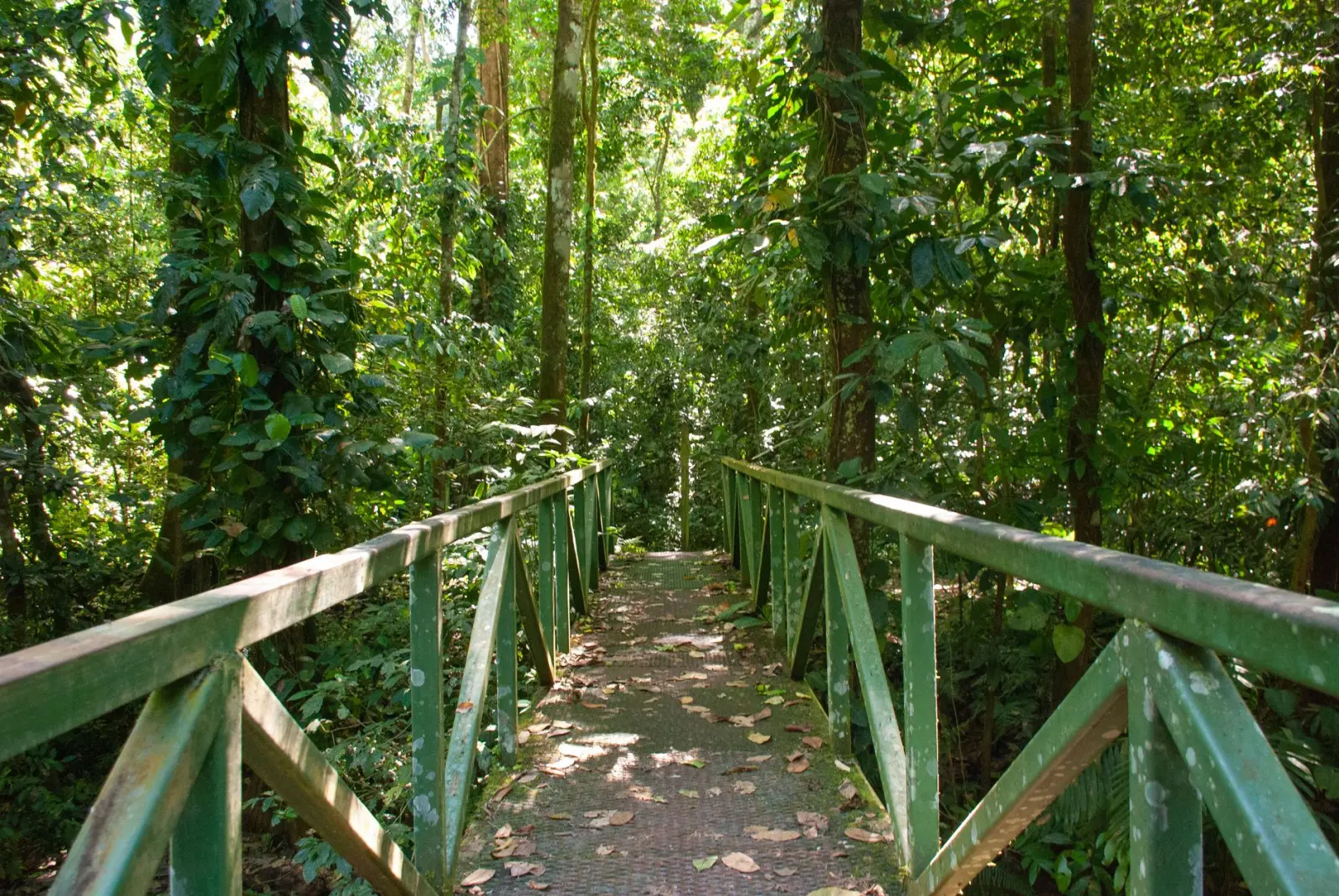
The track surface varies. Sections are boardwalk – elevated timber paths that cross wetter areas and protect both the vegetation and your feet. Other sections are packed earth with exposed tree roots, which is where most people catch their foot or lose their footing. The roots aren’t obstacles you can avoid; they’re part of the path structure. Your pace naturally slows when navigating them, especially if you’re not accustomed to uneven ground.
What catches many visitors is the gradient. The walk isn’t technically difficult, but it’s not flat. There are sustained climbs on the southern and western sections where the track rises away from the lake. These aren’t steep enough to be dramatic, but they’re long enough that you notice them in your legs, particularly if you’ve been sitting in a car for the previous few hours. The humidity amplifies the physical effort – your body has to work harder to cool itself, and you fatigue faster than you would in equivalent terrain at lower temperatures.
Humidity and What It Actually Means
Rainforest humidity isn’t just a number. It’s a constant presence that affects visibility, breathing, and how your body regulates temperature. On a typical day around Lake Eacham, humidity sits between 75 and 85 percent. After rain, it can feel like 95 percent. Your clothes stick to your skin within minutes of starting to walk. Sweat doesn’t evaporate efficiently, so cooling happens slowly.
This has practical consequences. You need more water than you’d expect. A 3-hour walk in this environment typically requires at least 2 liters per person, more if it’s been particularly warm. Dehydration creeps up on you because you don’t feel as thirsty as you actually are. The constant moisture in the air masks your body’s normal thirst signals. People regularly underestimate their water needs and end up uncomfortable or genuinely depleted by the time they finish.
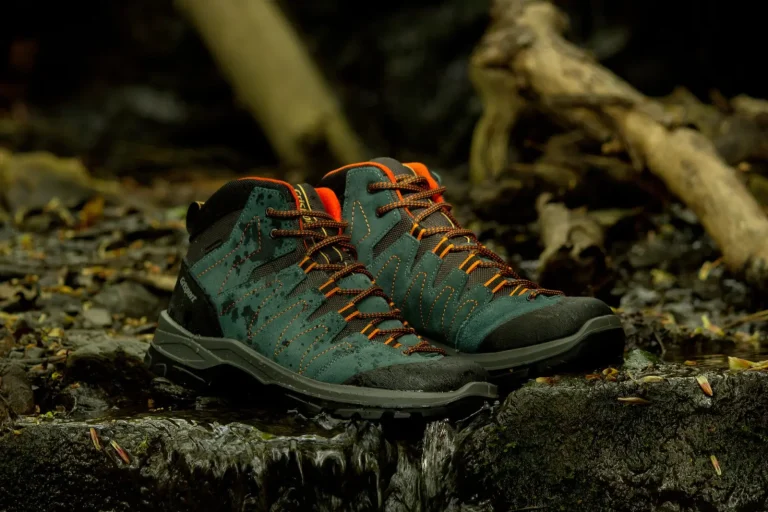
Footwear becomes important in a way it doesn’t always register beforehand. The track surface is often damp, even on days without recent rain. Moisture sits in the air and settles on the boardwalks and earth. Shoes with poor grip become a liability on the timber sections. Many visitors arrive in trail runners or casual hiking shoes that work fine on dry ground but lose traction on wet timber. Proper hiking boots with aggressive tread patterns aren’t essential, but shoes with reliable grip are.
Wildlife and Insect Reality
The rainforest around Lake Eacham holds significant wildlife. You’ll see water dragons basking on rocks near the shore, freshwater turtles, and various bird species. Early morning and late afternoon are when larger animals are most active, though the track is rarely empty during daylight hours because it’s a popular destination.
Insects are constant. Mosquitoes are present year-round, though they’re worse during warmer months and after rain. Midges can be intense depending on conditions. Leeches appear during and after wet periods – they’re not dangerous, but they’re persistent and uncomfortable. Many people don’t realize leeches are active until they feel one on their leg or arm. They climb from vegetation onto skin and begin feeding. Salt or insect repellent helps, but prevention is easier than removal. Long sleeves and pants reduce exposure, though in the humidity, wearing full coverage feels miserable.
Snakes are present in the rainforest, though encounters are rare. Most species are non-aggressive and move away from vibration and noise. The real issue isn’t snakes; it’s that people worry about them more than the actual risk warrants, and that anxiety affects how they walk and enjoy the experience.
Seasonal Variation and Track Conditions
The wet season runs from November through March, and the rainforest changes during this period. Rainfall is heavier, water levels rise, and sections of track can become genuinely muddy or waterlogged. The boardwalks become more essential and also more slippery. Visibility sometimes decreases because of cloud cover and mist settling into the canopy. The experience is more atmospheric but also more physically demanding.
Dry season walking (roughly May through September) is easier underfoot, but the heat can be more intense because there’s less cloud cover. The track dries out, which means better grip and faster movement, but it also means you’re more exposed to direct sun in the open sections. The rainforest canopy provides substantial shade, but it’s not complete, and the humidity combined with direct sun creates a particular kind of exhaustion.
After heavy rain, sections of track can be temporarily unsafe. Slips are more likely, and some areas become genuinely swampy. The track is usually passable within a day or two, but immediately after major rainfall, it’s worth checking current conditions before heading out.
Practical Pacing and Rest Points
The lake has several access points and rest areas. The main parking area and picnic grounds are at the northern end. From there, you can walk sections in either direction. Many people do half the loop rather than the full circuit, which is a legitimate approach that reduces time commitment and physical demand without sacrificing the core experience.
There are benches and viewing spots scattered along the track. The southern section has a particularly good vantage point where you can see across the lake. Most people naturally pause here, which breaks up the walk and provides a mental reset. These stops matter more than they seem – they reduce fatigue accumulation and give your body time to cool slightly.
The pace that works is steady but not rushed. People who try to move quickly often end up frustrated because the terrain doesn’t accommodate speed. The roots, the humidity, and the uneven surface force a moderate rhythm. Accepting that rhythm rather than fighting it makes the walk more sustainable and actually more enjoyable.
Lake Eacham’s rainforest walk is genuinely accessible for most fitness levels, but it requires realistic preparation. Underestimating the humidity, the physical demand, or the time needed creates a common pattern of people arriving tired, unprepared for the conditions, and cutting their visit short. The walk itself is straightforward; the experience depends entirely on matching your preparation to what the rainforest actually demands.