The Tweed Caldera rim walk sits in that awkward middle ground where it looks straightforward on a map but reveals itself quite differently once you’re moving through it. I’ve walked sections of this rim multiple times across different seasons, and the experience rarely matches what people expect when they set out from the carpark. The walk exists in a landscape that was shaped by volcanic collapse roughly 23 million years ago, and that geology still dictates everything about how the trail behaves.
What strikes most people first is the sheer elevation change compressed into what appears to be a modest distance. The rim itself sits between 600 and 900 meters depending on which section you’re traversing, and the trails that access it tend to gain that altitude in ways that feel relentless rather than gradual. The subtropical rainforest that cloaks much of the caldera creates a dense canopy, which means the climb happens in filtered light and relatively still air. This is deceptive. You’re working hard in conditions that don’t feel as hot as open terrain would be, so people often underestimate their exertion until they’re already committed to the ascent.
The Terrain Itself
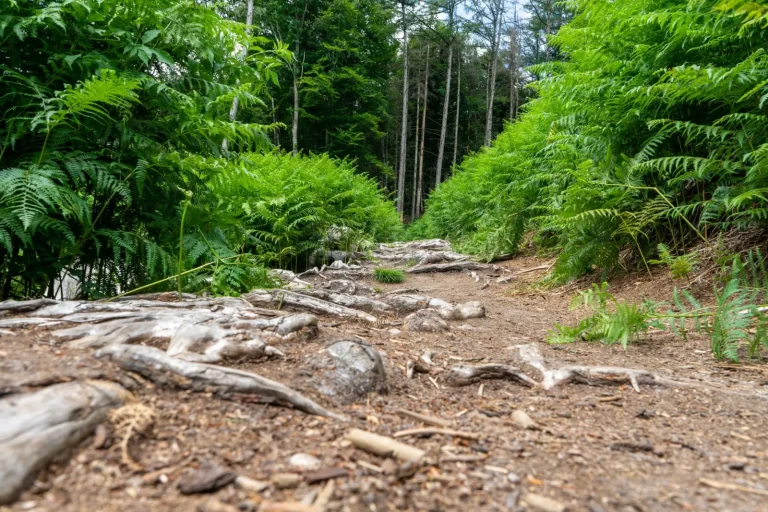
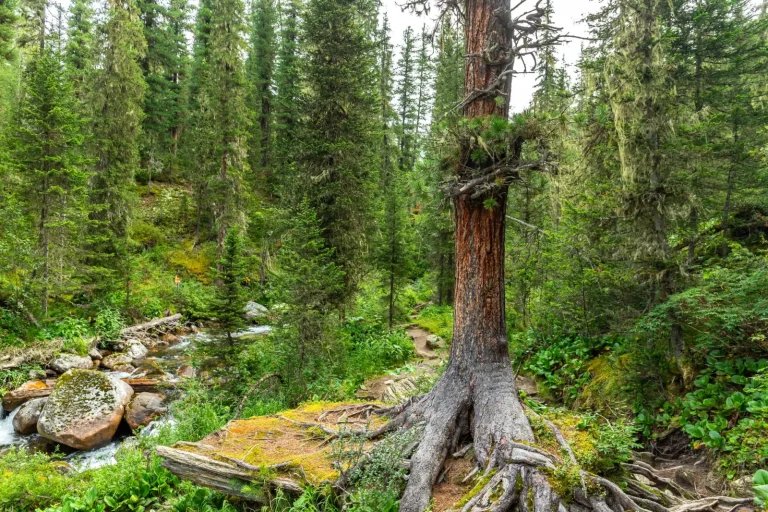
The rim trail isn’t a maintained walking track in the conventional sense. It’s more accurately described as a route that follows ridge lines and established paths where the forest allows passage. The substrate changes frequently. You’ll move from packed earth to exposed roots, then into sections where loose volcanic rock – often sharp and unstable – requires careful foot placement. The rock here has a particular character. It’s not the smooth, weathered stone you might encounter elsewhere. It tends to be angular and crumbly, the kind that shifts slightly underfoot if you’re not paying attention.
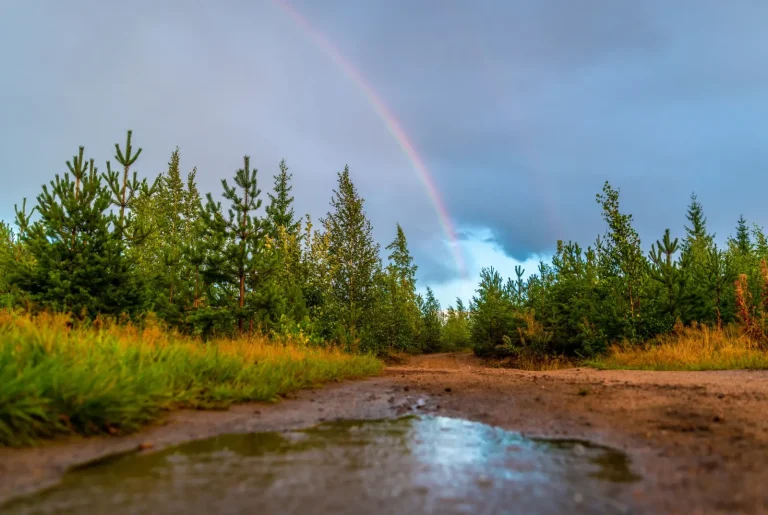
Drainage patterns on the rim are aggressive. Water runs off quickly after rain, which means the trail can transform from dry to genuinely treacherous within hours of rainfall. I’ve seen sections that are barely damp turn into small watercourses after an afternoon storm. The soil doesn’t absorb water efficiently, and the slope means everything moves downhill rapidly. This matters more than it initially seems because the rim is exposed to weather systems that can build quickly in this region. The subtropical climate brings moisture-laden air from the coast, and the elevation means clouds can roll in and obscure visibility within minutes.
Water and Resupply
One of the most common miscalculations I’ve observed is underestimating water requirements. The canopy provides shade, which creates a false sense of coolness, but you’re still losing fluids steadily through exertion and the ambient humidity. Natural water sources on the rim are sparse and unreliable. There are occasional creeks where tributaries cut down from the ridge, but their flow varies dramatically with season and recent rainfall. Relying on them as a primary water source is risky. Most experienced walkers carry sufficient water from the start, which adds weight but removes a significant variable from the equation.
The subtropical forest itself is dense enough that navigation can become problematic if you’re not paying close attention to markers or track conditions. The vegetation grows aggressively here. Sections that were clear a few months prior can become overgrown surprisingly quickly, particularly during the warmer months. This isn’t a trail where you can zone out and follow your feet. Regular reference to a map or GPS is practical, and knowing what the track should look like ahead helps you avoid false trails created by animal movement or temporary water flow.
Timing and Daylight
The caldera rim walk requires realistic time estimation. A section that appears to be 5 kilometers on paper might take three to four hours of actual walking time once you factor in elevation, terrain, and the need to move carefully over unstable ground. The subtropical region experiences significant seasonal variation in daylight hours. In winter, darkness arrives around 5 p.m., which means a walk that starts mid-morning needs to be planned with a firm turnaround time. I’ve seen walkers caught by dusk on the rim, and it’s a genuinely uncomfortable experience. The forest becomes disorienting in low light, and the uneven terrain becomes hazardous.
The best walking windows tend to be autumn and early winter, roughly April through August. The humidity is lower, temperatures are more moderate, and rainfall is less frequent. Spring brings wildflower displays and good visibility, but it also brings higher temperatures and more unpredictable weather systems. Summer is generally avoided by experienced walkers for good reason – the heat and humidity combine with higher rainfall probability, and the forest becomes particularly dense and oppressive.
Physical Preparation and Reality
The caldera rim demands a baseline level of fitness that’s often underestimated. This isn’t a gentle forest stroll. The sustained elevation gain, the need for careful foot placement, and the length of time spent moving all accumulate into genuine physical work. People who describe themselves as “reasonably fit” sometimes struggle more than expected because the specific demands of this terrain don’t always align with general fitness levels. Leg strength matters more than cardiovascular capacity, though both are relevant. The repetitive stepping up and over roots and rocks, combined with the need to stabilize on uneven surfaces, creates fatigue patterns that are distinct from road running or flat-ground walking.
Recovery time also tends to surprise people. A full rim walk can leave your legs genuinely fatigued for a day or two afterward. This isn’t a sign of poor fitness so much as an acknowledgment of the specific muscular demands. I’ve noticed that walkers who’ve done similar terrain elsewhere – steep forest walks in other regions – tend to adapt more quickly than those whose experience is primarily on maintained tracks or open hillsides.
The Tweed Caldera rim remains a worthwhile walk, but it rewards preparation and realistic expectations. The landscape is genuinely beautiful, and the sense of being within a geological feature of real scale is compelling. But it’s a walk that demands respect for its terrain, weather patterns, and the physical commitment required. Those who approach it with clear eyes about what it actually involves tend to have experiences that match their hopes. Those who underestimate it often find themselves working harder than anticipated and learning lessons about subtropical bushwalking the hard way.