
A weekend rainforest trip sits in an awkward middle ground. It’s long enough to feel like a real escape, but short enough that poor planning creates more frustration than discovery. After years of moving through rainforests on tight schedules, I’ve learned which destinations actually reward a two-day window and which ones demand you sacrifice sleep just to justify the journey.
The fundamental constraint is always the same: getting there and back eats time. A flight that lands at 6 p.m. means you’re checking into accommodation by 8 p.m., exhausted. You wake at dawn the next day partly because of jet lag, partly because the forest is loud. By Sunday afternoon, you’re already thinking about the return journey. This is not a complaint – it’s the reality that shapes which rainforests make sense for a weekend.
Proximity Matters More Than You’d Think
The rainforests that work best for weekends are the ones closest to major transport hubs. If you live on the US East Coast, the Osa Peninsula in Costa Rica requires a connection through San José and then a regional flight or long drive. You lose a full day just moving. The same applies to Borneo or the Amazon proper – the travel tax is too high for 48 hours.
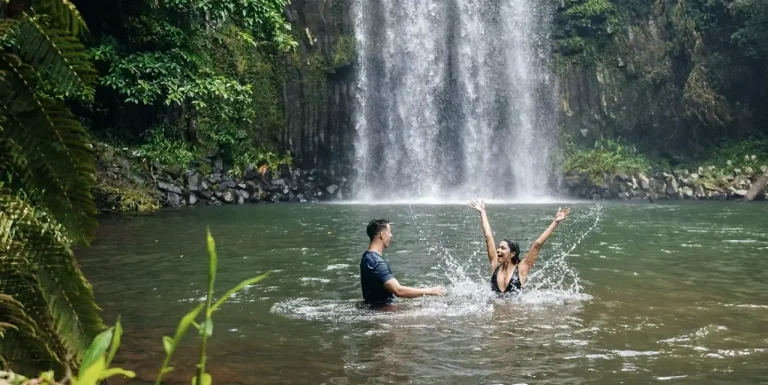
Puerto Rico’s El Yunque, by contrast, sits 45 minutes from San Juan airport. You can be on a trail by early afternoon on Friday. The forest itself is compact enough that you’re not spending hours hiking to reach anything meaningful. The waterfall hikes are real, the canopy is dense, and you don’t need to be a mountaineer to access them. The trade-off is that it’s crowded and feels less remote, but that’s the actual equation: accessibility versus solitude.
Costa Rica’s Monteverde Cloud Forest works similarly if you’re already in the country or willing to fly into San José and drive four hours. The elevation means cooler temperatures, which reduces the physical drain of being in the tropics. You can walk the reserve trails in a single day without feeling rushed. The forest has a different character than lowland rainforest – less dense, more visible canopy structure – but that visibility is useful when you’re trying to spot wildlife in limited time.
The Humidity-to-Payoff Ratio
Lowland rainforests are harder on the body. The humidity sits at 90 percent or higher, and even light exertion leaves you soaked. Your clothes stay damp. Your skin feels sticky. After 8 or 10 hours of this, fatigue compounds faster than it would in a temperate forest. On a weekend trip, this matters because you’re already operating on a compressed schedule.
I’ve noticed that travelers often underestimate how much the physical environment affects their actual experience. You can intellectually appreciate the biodiversity while feeling genuinely miserable. Cloud forests and higher-elevation rainforests – places like Monteverde or parts of Ecuador’s western slopes – feel less punishing. You can stay alert and observant for longer. The trade-off is that some of the most dramatic rainforest experiences happen in lowland areas, where the density and heat are part of what makes them feel primordial.
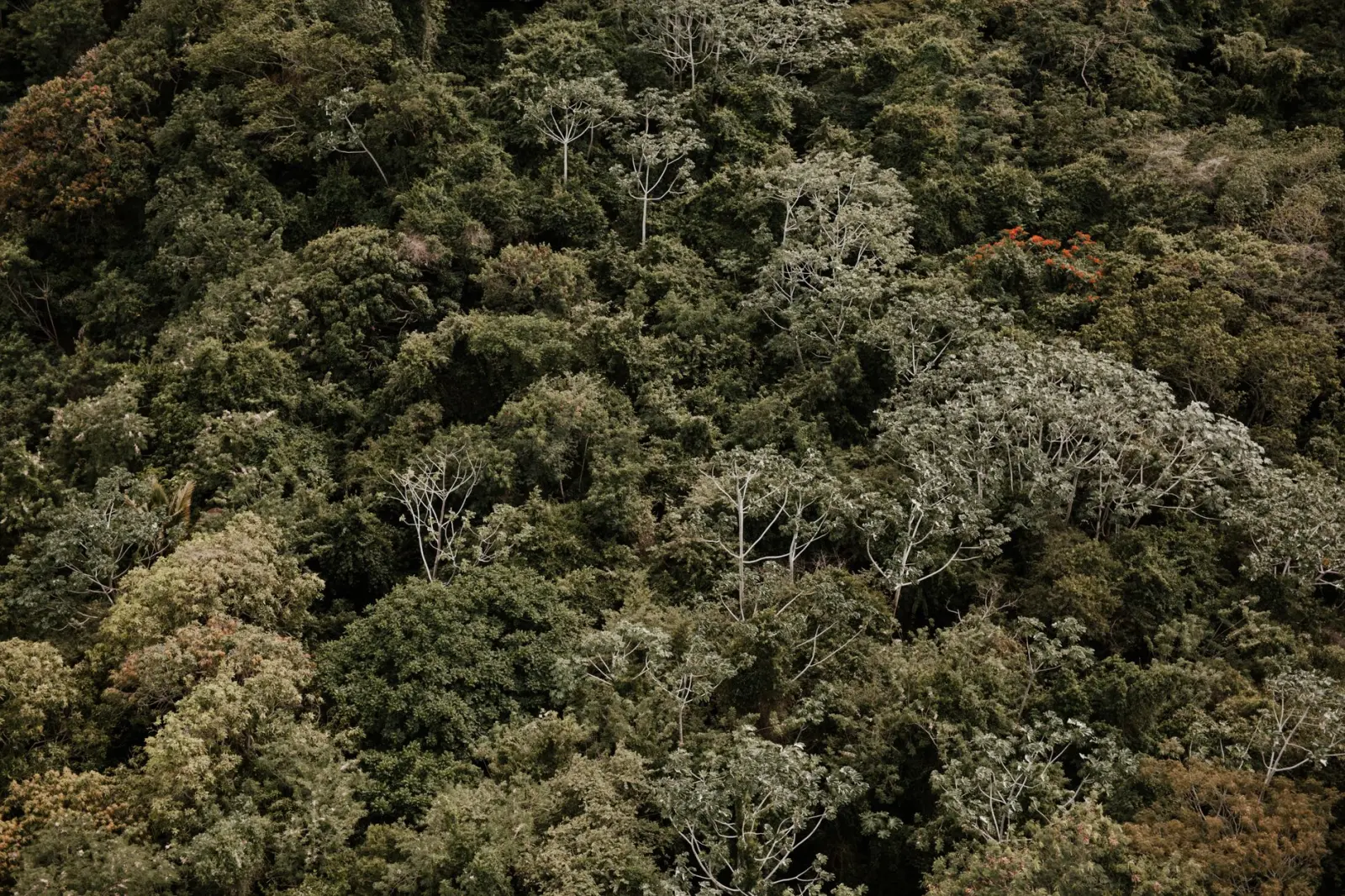
For a weekend, I tend to recommend the middle path: mid-elevation rainforests where humidity is still substantial but not debilitating. Ecuador’s Chocó region, parts of southern Colombia, and the foothills of Peru’s eastern slopes offer this balance. You get genuine rainforest – not just cloud forest – without the full metabolic cost of the lowlands.
What Actually Happens on the Ground
Most people expect to see wildlife on a rainforest trip. The reality is that you’ll see birds, insects, and vegetation. You might see a monkey or a sloth if you’re patient and lucky. You probably won’t see a jaguar or an anaconda. This isn’t pessimism; it’s just how rainforests work. The animals are there, but they’re cryptic, and a 48-hour window doesn’t give you the time to develop the observational skills or patience that serious wildlife spotting requires.
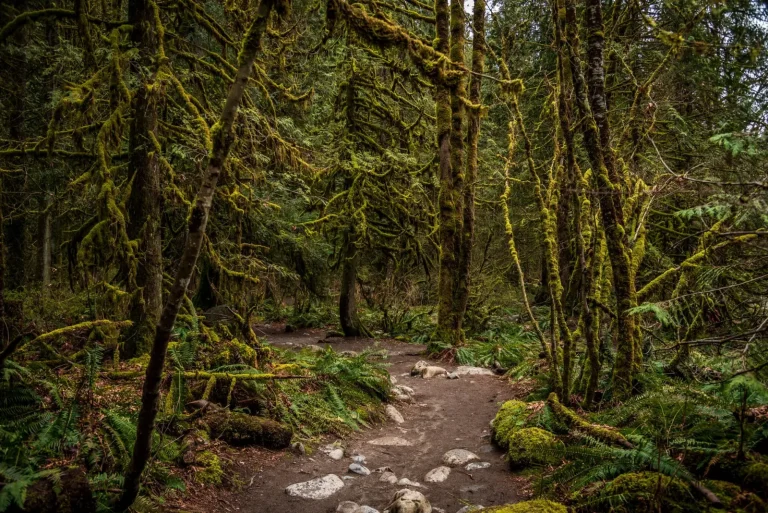
What you will experience, if you’re paying attention, is the sensory density of the place. The sound is constant – not just birds but insects, water movement, wind through layers of canopy. The smell shifts depending on elevation and time of day. The light is filtered and green. These things don’t photograph well, and they don’t make good social media posts, but they’re what actually stays with you.
Guided walks help, particularly in the first few hours. A guide can point out camouflaged frogs, explain the relationship between certain plants and insects, and move you efficiently through the forest. The problem is that guides vary wildly in quality, and a bad guide – someone who’s just walking you through the forest without real knowledge – makes the experience feel like you’re being led through a museum rather than exploring an ecosystem.
Practical Logistics for 48 Hours
Accommodation near rainforest reserves tends toward two extremes: basic lodges that are functional but worn, or upscale eco-lodges that charge premium rates. For a weekend, the basic lodge often makes more sense. You’re not spending much time in your room. You’re there to sleep and shower. A clean bed and functioning plumbing are sufficient. The money saved can go toward a better guide or more time on trails.
Timing your arrival and departure matters more than most travelers realize. A Friday afternoon arrival means you have Friday evening and all day Saturday, with Sunday morning for a final walk before heading to the airport. This is tighter than it sounds. If your flight is delayed, if the road to the lodge is worse than expected, if you sleep poorly due to jet lag or the unfamiliar environment, your Saturday – your main day – becomes compressed.
Many people also underestimate how much they’ll want to rest. A few hours of rainforest walking in humidity is more tiring than the same distance in a temperate climate. By Saturday evening, you’re often ready to sit quietly rather than push for a night walk or a second hike. Building in downtime – a long lunch, an afternoon at the lodge – isn’t wasted time. It’s part of the realistic rhythm of the trip.
The destinations that work best for weekends are the ones where you can be functional and present without being in constant motion. El Yunque in Puerto Rico, Monteverde in Costa Rica, and the cloud forests of Ecuador’s western slopes all share this quality. They’re accessible enough that you’re not spending your weekend just traveling. They’re rewarding enough that 48 hours feels like something, not like a teaser. And they’re forgiving enough that if something goes slightly wrong – a delayed flight, a missed connection – you don’t lose the entire experience.