
Mission Beach sits at the edge of one of Australia’s oldest rainforests, and the wildlife here operates on rhythms most visitors don’t anticipate. I’ve spent enough time in this area to know that seeing animals isn’t about luck – it’s about understanding when and where they’re actually active, and accepting that many creatures here are either nocturnal, cryptic, or both. The rainforest canopy is dense enough that you can walk through it and see almost nothing, then turn a corner and encounter something remarkable. The difference usually comes down to timing and patience rather than technique.
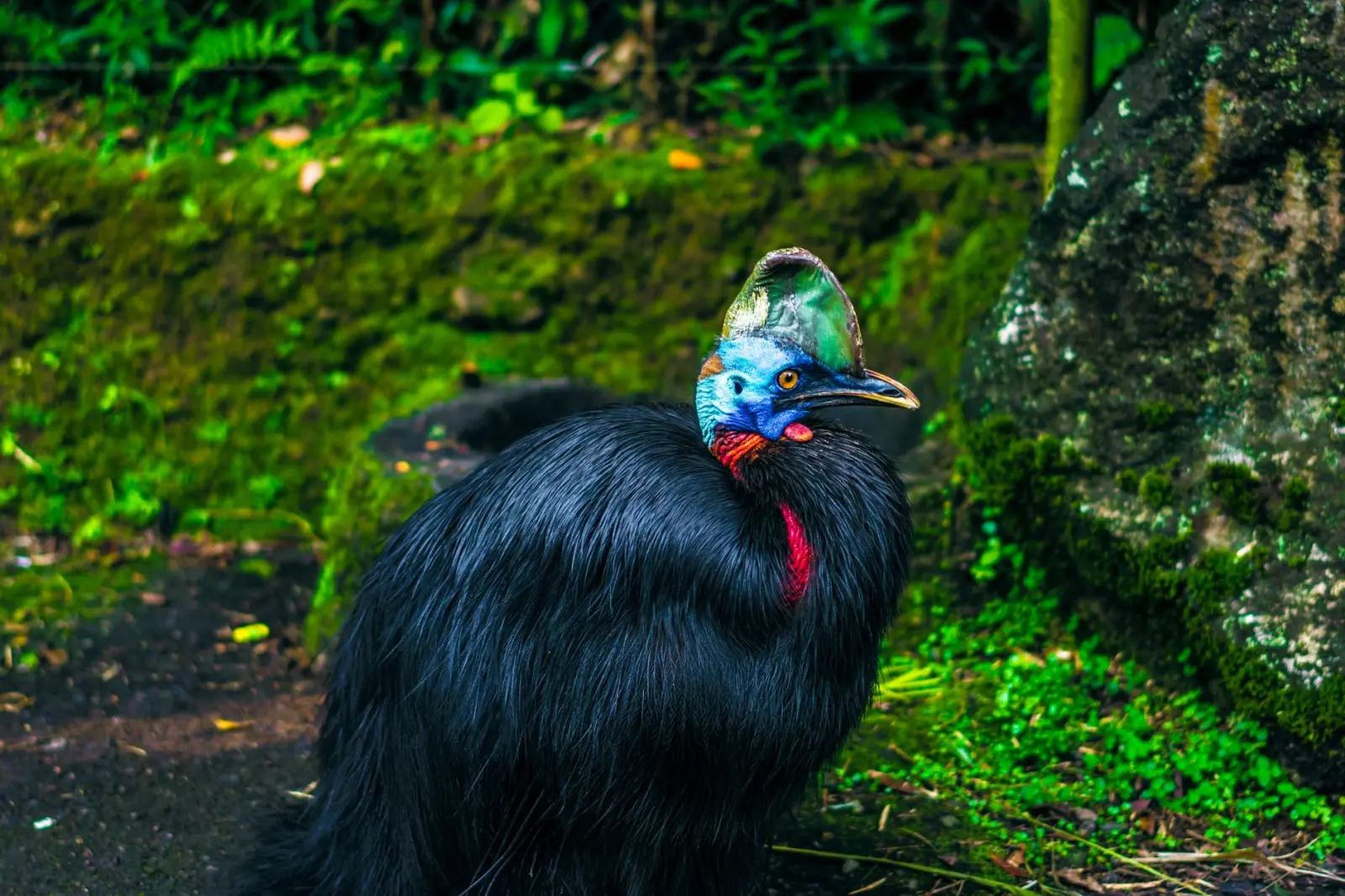
The cassowary is what draws most people here, and understandably so. These large, flightless birds are iconic to the region and genuinely impressive up close. They’re present year-round, though their visibility fluctuates with fruit availability. During fruiting season – roughly November through March – they’re more active and more likely to be seen along roadsides and in cleared areas where they forage. Outside these months, they’re still around but spend more time in deeper forest where they’re harder to spot. The critical thing to understand about cassowaries is that they’re not aggressive toward humans by default, despite their reputation. Most incidents happen when people feed them or corner them, which fundamentally alters their behavior. I’ve observed them dozens of times from a respectful distance, and they simply move away or ignore you entirely. They’re wary animals, not territorial ones.
Tree kangaroos are another draw, and they’re genuinely difficult to see despite living in the canopy above your head. They’re arboreal, which sounds straightforward until you realize how much of the rainforest canopy you can’t actually see from ground level. They’re also mostly nocturnal or crepuscular, meaning they’re most active at dawn, dusk, and through the night. If you’re walking trails during midday, you’re working against their natural activity patterns. Early morning walks – starting before 6 AM – offer better odds, though even then, spotting one requires luck. They blend into branches remarkably well, and their movement is deliberate rather than conspicuous. I’ve had guides point them out to me, and even knowing roughly where to look, they take a moment to register visually.
Smaller creatures and what they reveal
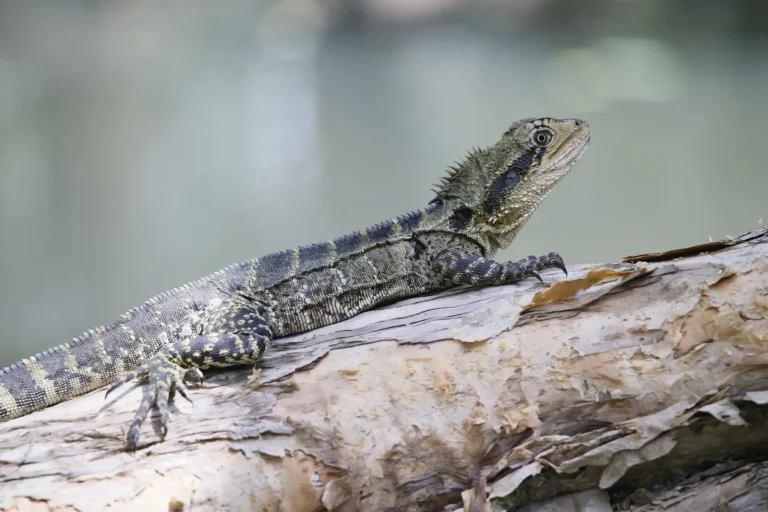
The smaller animals often tell you more about the forest’s health than the iconic species do. Frogs are abundant here, particularly after rain. The rainforest around Mission Beach hosts numerous frog species, many of them endemic to this region. Hearing them is easier than seeing them – their calls are constant in the wet season, especially at night. Skinks and other small reptiles are common on the forest floor and around fallen logs. You’ll encounter them regularly if you’re paying attention to ground level, which most visitors aren’t. They move quickly, but they’re present.
Possums are nocturnal and vocal at night, particularly in the early evening hours. If you’re staying in accommodation near the forest edge, you’ll hear them – their calls range from grunts to almost bird-like sounds. Seeing them requires night walks, which some tour operators offer. They’re curious animals but keep their distance from humans. Sugar gliders are present but rarely seen; they’re small, fast, and active at night. Wallabies and bandicoots inhabit the forest but are shy and tend to emerge during quieter hours.
Insects, spiders, and what matters
The invertebrate life here is substantial, and it’s worth acknowledging that many visitors find this more unsettling than the larger animals. Spiders are numerous, including some large species that look intimidating but are generally harmless. The rainforest environment means insects are everywhere – in the air, on vegetation, on the ground. Mosquitoes are present, particularly near water and in humid areas, and they’re more active during dawn and dusk. Saltwater crocodiles inhabit waterways and coastal areas; they’re not common in the rainforest proper, but they’re present in rivers and estuaries. Respecting water boundaries is straightforward and necessary.
Leeches are a practical consideration during and after rain. They’re not dangerous, but they’re persistent and uncomfortable. Wearing gaiters or tucking pants into socks reduces encounters significantly. Salt or insect repellent works if you do pick one up. Most visitors encounter them at some point during wet season visits, and it’s worth treating it as a minor inconvenience rather than a reason to avoid the forest.
Realistic timing and effort
The most important observation I can make is that wildlife viewing here requires accepting uncertainty. You can walk the same trail daily and see different animals, or see nothing at all. The forest doesn’t operate on a schedule designed for visitor convenience. Early morning walks, particularly between 5:30 and 7:30 AM, offer the best odds because that’s when many animals are active. Trails closer to the coast, like those around Mission Beach itself, tend to have more foot traffic and therefore less wildlife visibility. Trails further inland or in less-visited areas typically yield more encounters, though they also require more effort to access.
Hiring a local guide genuinely improves your chances of seeing animals and understanding what you’re looking at. Guides know where cassowaries have been feeding recently, which trails have had recent sightings, and how to move quietly through the forest. They also know what sounds mean – the forest is loud with animal calls, and most visitors don’t know what they’re hearing. A guide translates that noise into actual information.
The rainforest around Mission Beach is working ecosystem, not a zoo. The animals here are wild, their presence is not guaranteed, and their behavior is driven by their own needs rather than visitor expectations. That’s also what makes encounters meaningful when they happen. You’re observing creatures in their actual habitat, operating on their own terms, which is fundamentally different from controlled settings. Understanding that distinction changes how you approach time in the forest and what you realistically expect to see.