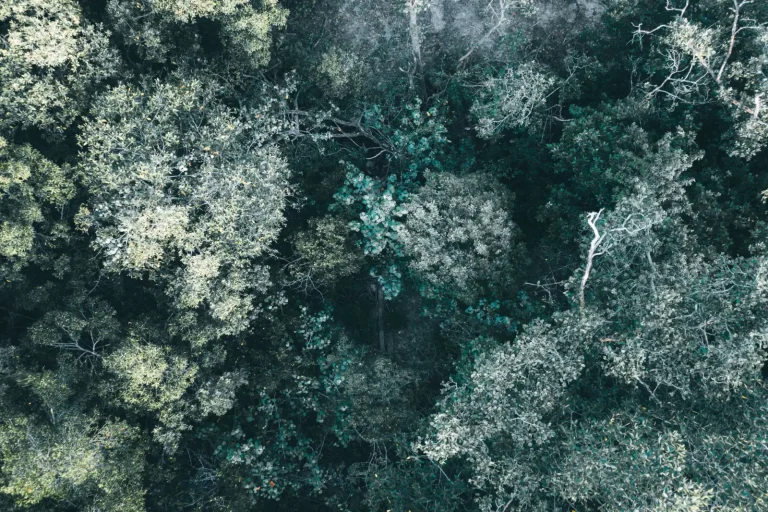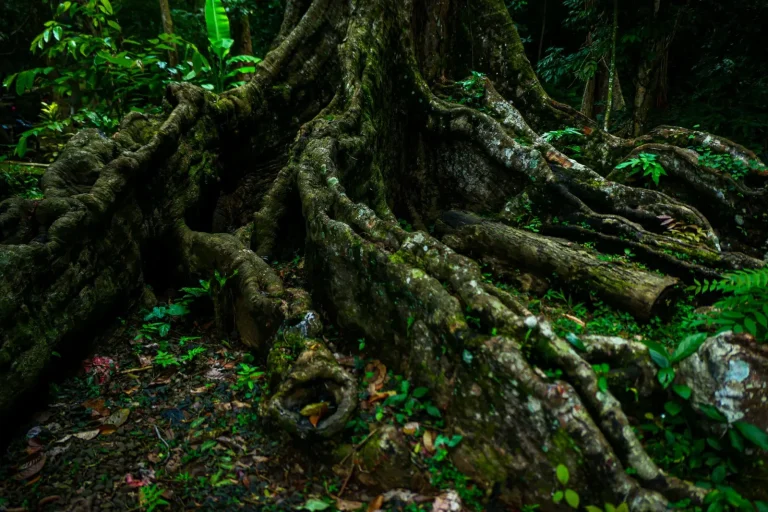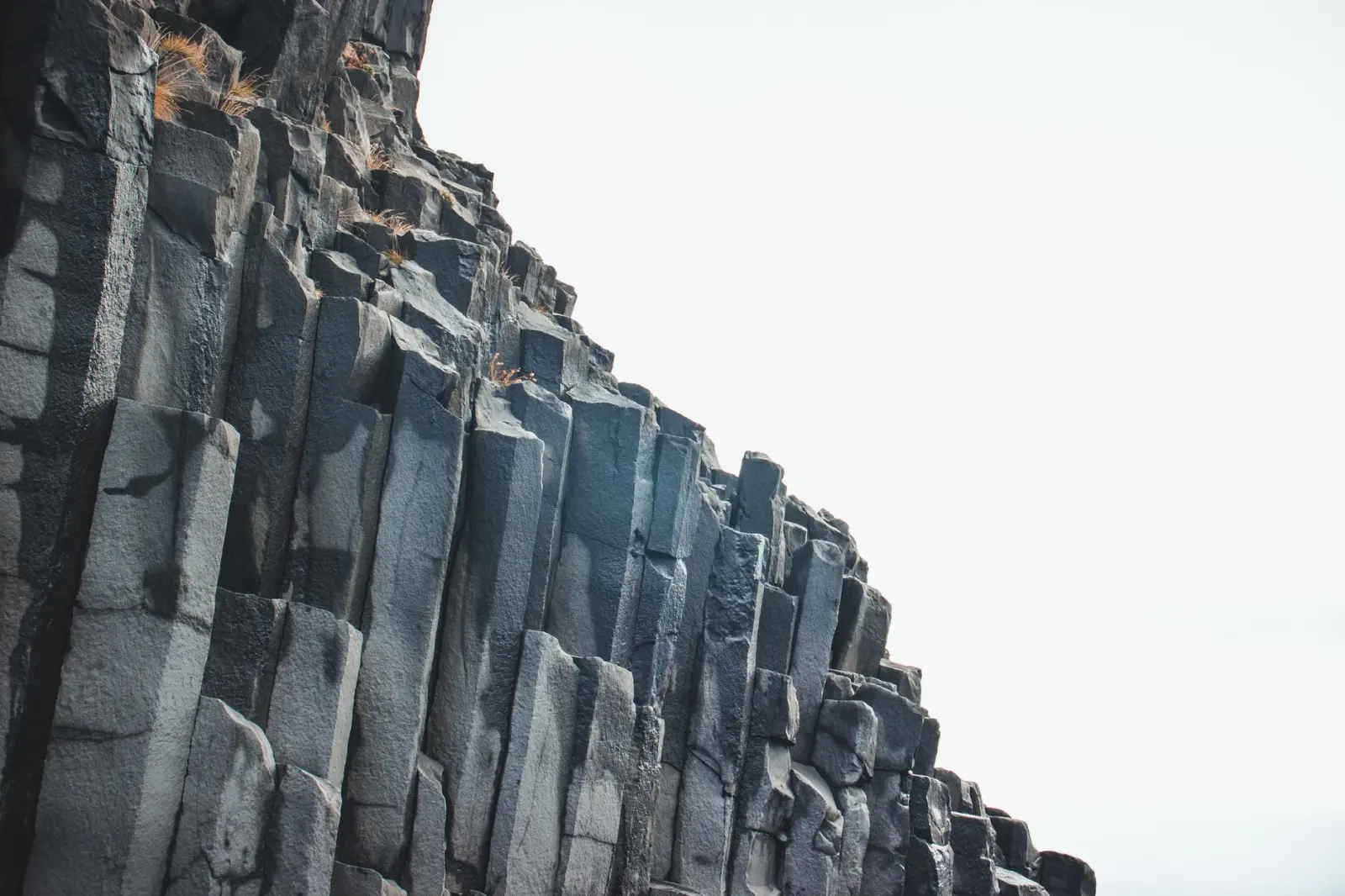
Spend enough time in rainforests that sit on volcanic bedrock, and you begin to notice something consistent: the vegetation feels denser, the canopy more layered, the understory more chaotic with growth. It’s not random. The relationship between volcanic soils and rainforest productivity is one of the most straightforward ecological correlations you’ll encounter in the tropics, yet it operates through mechanisms that most casual observers never think about.
The foundation of this relationship lies in what volcanic rock actually contains. When lava cools and solidifies, it traps within it a concentrated package of minerals that weathered, depleted soils elsewhere have already lost. Basalt and andesite – the most common volcanic rocks in tropical regions – are rich in iron, magnesium, calcium, and potassium. These aren’t trace elements; they’re structural components of the rock itself. As rainfall, temperature fluctuations, and biological activity break down the rock over years and decades, these minerals become available to plant roots. In contrast, ancient soils on stable continental shields, which have been exposed to weathering for hundreds of millions of years, have already surrendered most of their base minerals to leaching and erosion.
The Weathering Advantage
Tropical rainfall accelerates everything. Where a temperate forest might see 40 inches of rain annually, a rainforest on volcanic terrain can receive 150, 200, or even 300 inches. This constant moisture, combined with high temperatures, drives chemical weathering at a pace that seems almost aggressive. The rock doesn’t just slowly crumble; it actively dissolves. Rainwater, slightly acidic from atmospheric carbon dioxide and organic acids from leaf litter, penetrates fractures and dissolves mineral compounds. The result is a steady release of nutrient ions into the soil solution.
What makes this different from weathering on non-volcanic substrates is the sheer abundance of material available to weather. A granite bedrock, while it contains some useful minerals, releases them slowly and unevenly. Volcanic rock, being more uniform in composition and more reactive to tropical conditions, delivers a more consistent nutrient supply. I’ve observed this directly in areas where volcanic and non-volcanic soils exist in proximity – the vegetation boundary is often sharp. On the volcanic side, the forest is noticeably more vigorous; on the weathered granite or sandstone side, the canopy opens up and the understory thins considerably.
Nutrient Cycling in High-Rainfall Environments
The rainforest itself becomes a nutrient-recycling engine once it’s established on volcanic soil. This is where the system becomes self-reinforcing. The abundant mineral base supports dense vegetation, which produces enormous quantities of leaf litter, dead wood, and root material. In the warm, wet conditions of the tropics, this organic matter decomposes rapidly. Fungi, bacteria, and arthropods break it down so quickly that nutrient loss through leaching is partially offset by the constant return of nutrients from decomposition.
The mycorrhizal networks – fungal associations with plant roots – are particularly efficient in these systems. The fungi extend far into the soil and litter layer, capturing nutrients that would otherwise wash away. They transfer these nutrients directly to the plant, bypassing the typical soil solution pathway. On volcanic soils with good mineral availability, these fungal networks flourish because the plants they associate with are healthy and productive, offering more carbon in return for nutrient delivery.
Nitrogen presents an interesting case. While volcanic rock doesn’t directly provide nitrogen, the mineral richness of volcanic soils supports legume trees and nitrogen-fixing bacteria that colonize the soil. The phosphorus, potassium, and calcium from the rock allow these nitrogen-fixing organisms to thrive. In older, more depleted soils, nitrogen fixation often becomes limited by other mineral deficiencies, creating a bottleneck. On volcanic soils, this bottleneck is removed, and nitrogen accumulates through biological fixation.
What Happens When Volcanic Soils Age
It’s important to note that volcanic soils don’t remain nutrient-rich indefinitely. Over centuries to millennia, even volcanic soils experience nutrient depletion through leaching. In regions with extremely high rainfall – some areas receive over 400 inches annually – even volcanic soils can become laterized, a process where iron and aluminum oxides concentrate while silica and base minerals are stripped away. The soil becomes acidic, nutrient-poor, and the forest, while still present, becomes less dense and less diverse than it was in earlier stages.
This is why you sometimes see rainforests on very old volcanic terrain that are less productive than you’d expect. The volcanic advantage is real, but it’s not permanent. The age of the volcanic substrate matters. Young volcanic soils – those in regions with active volcanism or recent eruptions – show the most dramatic forest productivity. Areas like parts of Central America, the Philippines, and Java support some of the most biomass-dense rainforests on Earth, and the volcanic bedrock is a significant factor.
The practical reality for anyone working in or studying tropical ecosystems is that volcanic soils are a strong predictor of forest health and productivity. When you’re assessing a rainforest region, knowing whether the underlying geology is volcanic gives you immediate insight into what the vegetation will likely look like and how resilient it might be. It’s one of the few geological variables that translates directly into observable ecological outcomes.