The rainforest behind Coffs Harbour carries a reputation that doesn’t quite match what you’ll actually encounter when you move through it. Most visitors expect a wildlife spectacle – a constant parade of visible creatures. What you actually get is subtler, more fragmented, and often frustratingly quiet. After spending years moving through these forests for work and recreation, I’ve learned that seeing wildlife here requires patience, timing, and a realistic understanding of how animals use this landscape.
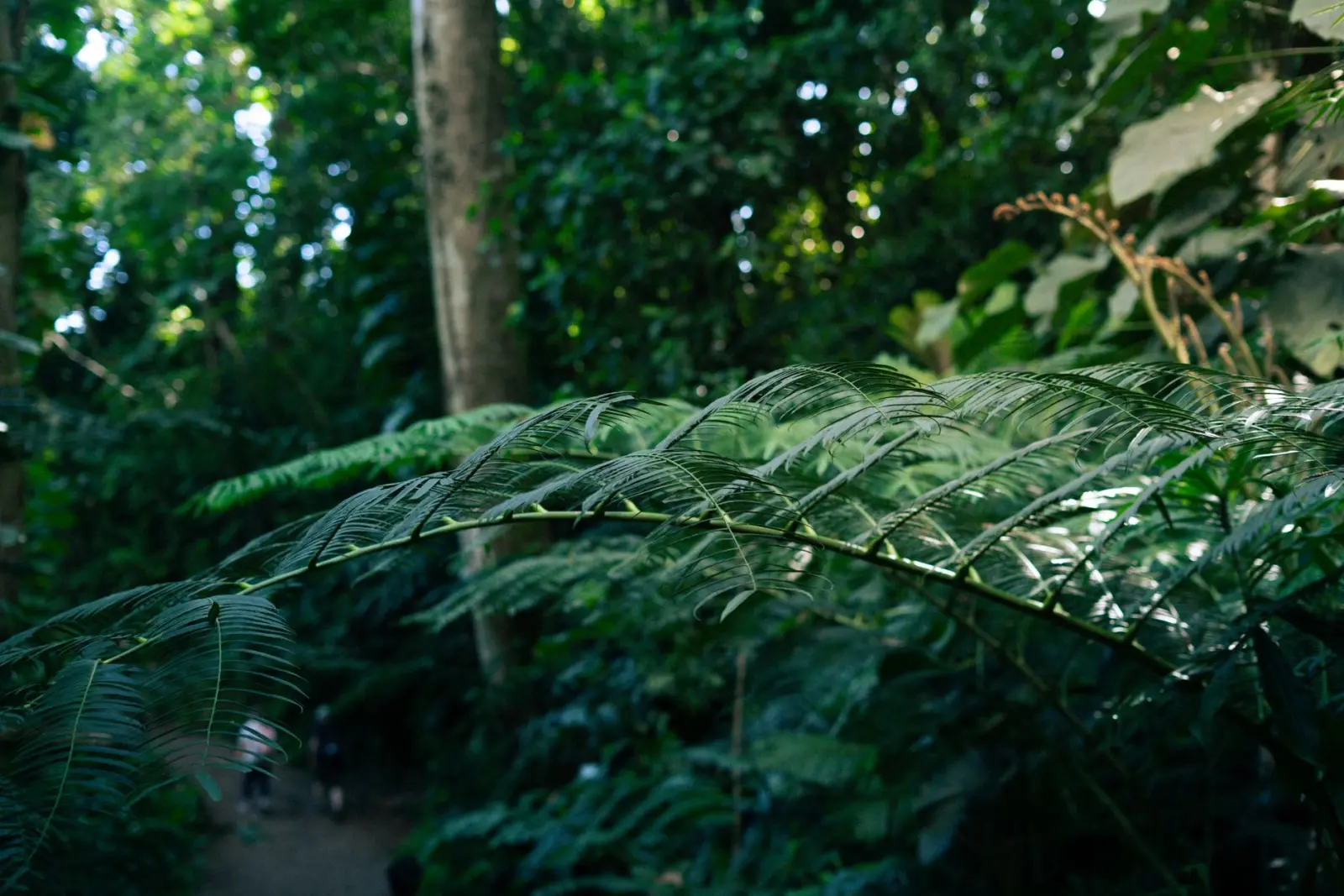
The hinterland sits in a transition zone between subtropical and temperate rainforest. It’s not as dense as the far north, and it’s not as open as the tablelands further inland. This middle ground creates specific conditions that shape which animals thrive here and when you’re likely to encounter them. The forest canopy is thick enough to keep the understory dim even at midday, and the moisture levels remain high enough year-round to support species that would struggle in drier regions. But the fragmentation is real. Logging history, clearing for agriculture, and suburban sprawl have carved the forest into patches. Animals move between these patches, and their visibility depends entirely on whether you’re in the right place when they’re active.
The Creatures You’ll Actually See
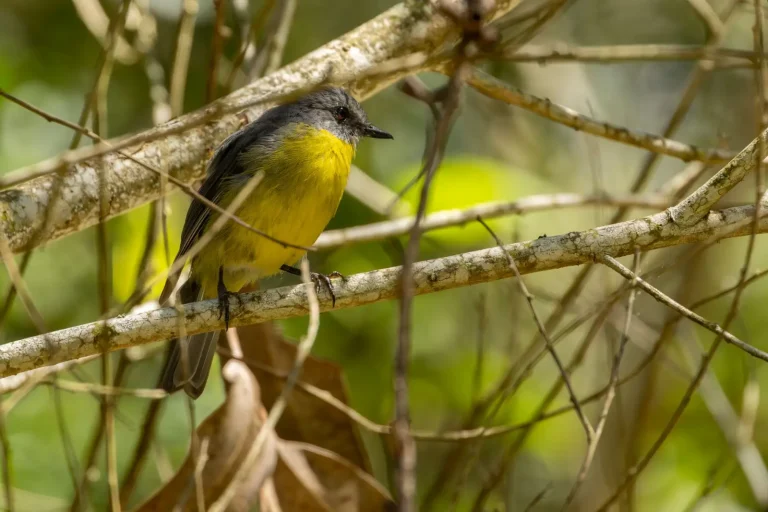
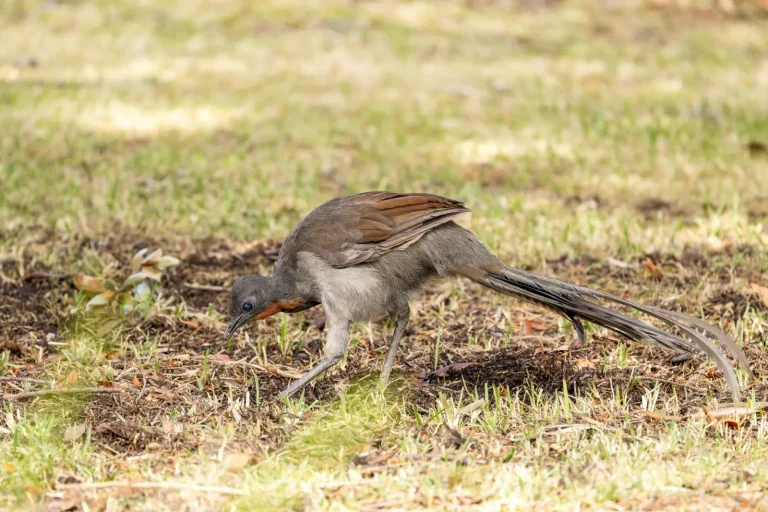
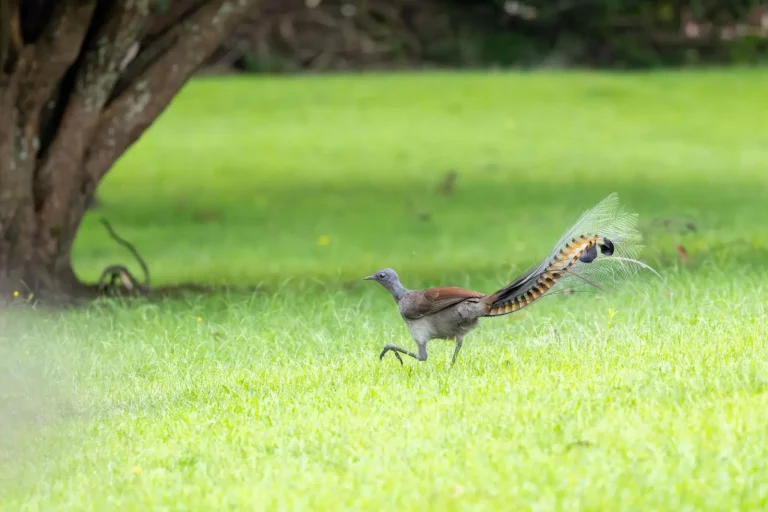
Birdlife dominates your wildlife encounters in the Coffs hinterland, and this is where most casual visitors find satisfaction. The rainforest supports a mix of year-round residents and seasonal visitors. Brush turkeys are everywhere – you’ll hear them before you see them, scratching through leaf litter with a sound that carries further than you’d expect. They’re bold around human infrastructure, and they’re not shy. Kookaburras laugh from the canopy edges, and various honeyeaters move through flowering trees depending on the season. In spring, you might catch noisy friarbirds or the more delicate calls of eastern whipbirds, though they stay hidden in dense cover.
The reality of mammal spotting is harsher. Koalas exist in the region, but they’re not common, and you won’t see them by walking around hoping. Possums are nocturnal, and while they’re present, you need to be out at night and lucky. I’ve worked through these forests at dusk and early morning for years, and possum sightings remain irregular. You might hear them moving through the canopy – a distinctive crash and rustle – but seeing one is different. Wallabies use the forest edges and cleared areas more than the dense interior. Wombats are rare and mostly nocturnal. Echidnas are present but not abundant, and spotting one is genuinely noteworthy.
Smaller creatures are more reliable. Lizards are everywhere once you learn to look for them. Blue-tongue lizards move slowly enough that you can watch them hunt through leaf litter. Skinks dart across paths and logs. Snakes are present but not aggressive, and most encounters happen when you’re not looking for them. In my experience, you’ll see maybe one snake per season of regular hiking, and it will usually move away from you. Frogs are audible year-round, especially after rain, but seeing them requires night walks and specific knowledge of where they congregate.
Seasonal Patterns and Activity Cycles
Timing matters far more than most visitors realize. Spring and early summer bring the most visible wildlife activity. Breeding season drives animals to be more active and less cautious. Flowering plants attract honeyeaters and lorikeets. Insects are abundant, which supports insectivores. By mid-summer, the forest becomes quieter. Heat stress and reduced food availability change animal behavior. Many creatures become more nocturnal, spending daylight hours in deep shade or underground.
Autumn brings another shift. Cooler temperatures increase daytime activity. Migratory birds pass through. Seed production peaks, which draws more animals into feeding areas. Winter is slower but not dead. Some species retreat to lower elevations or denser cover. Others remain active but are harder to locate. Rain events create temporary activity booms – frogs calling, insects emerging, predators hunting. A few hours after heavy rain, the forest feels alive in ways that dry periods don’t match.
Where Animals Actually Concentrate
Forest edges are more productive than deep interior. Where rainforest meets cleared land, grassland, or regrowth, you see more movement. Animals use edges for feeding and travel. The transition zones hold more visible diversity than the unbroken canopy. Water sources matter enormously. Creeks and seepage areas concentrate wildlife, especially in drier months. Early morning visits to water sources yield more sightings than random walking.
Flowering and fruiting trees become temporary hotspots. When eucalypts flower or native figs fruit, animals congregate. If you know what’s flowering in a given month, you can position yourself accordingly. This requires local knowledge or careful observation over time. Most casual visitors don’t have this information, which is why their wildlife encounters feel random.
The Practical Reality of Wildlife Watching
Visibility in rainforest is genuinely limited. The canopy blocks light, and the understory is dense. You can walk past animals without seeing them. Conversely, animals see and hear you long before you detect them. Noise discipline matters. Moving slowly and quietly increases your chances, but it also increases fatigue. Most people don’t have the patience for this approach when they’re hiking for recreation.
Distance is another factor. The animals here aren’t habituated to humans. They maintain distance. You won’t get close-up views without significant effort or luck. Photography becomes difficult. The light is poor, and subjects are distant or hidden. This is why wildlife documentaries shot here require days of work for minutes of footage.
Insect encounters are inevitable and often unwelcome. Mosquitoes, leeches, march flies, and various stinging insects are part of the ecosystem. They’re more active in warm, humid conditions. Early morning and late afternoon tend to be worse than midday. Rain reduces flying insect activity temporarily. This is a genuine consideration that affects how long people stay in the forest and where they’re willing to walk.
The hinterland’s wildlife is real and worth experiencing, but it requires adjusted expectations. You’re not visiting a zoo or a nature documentary. You’re moving through a working ecosystem where animals are focused on survival, not on being observed. The most rewarding encounters come when you stop expecting a spectacle and start noticing the small, consistent details – the bird calls, the insect activity, the signs of movement in leaf litter. This approach takes longer and yields less dramatic results, but it connects you to what’s actually happening in the forest rather than what you hoped to see.