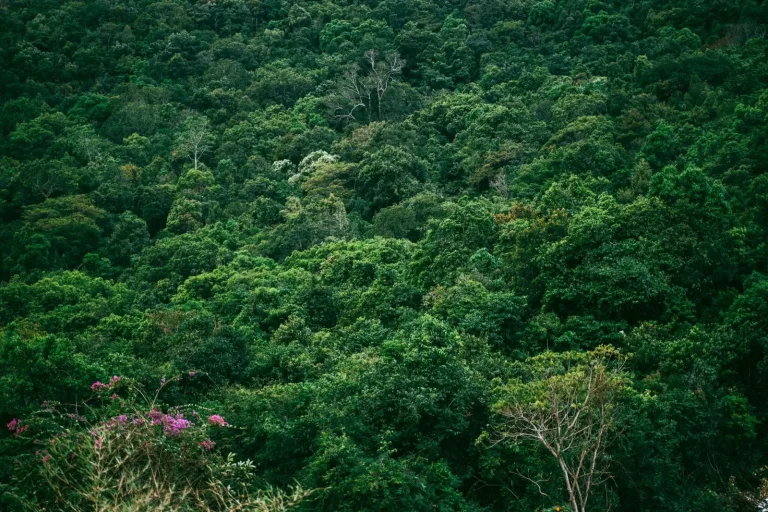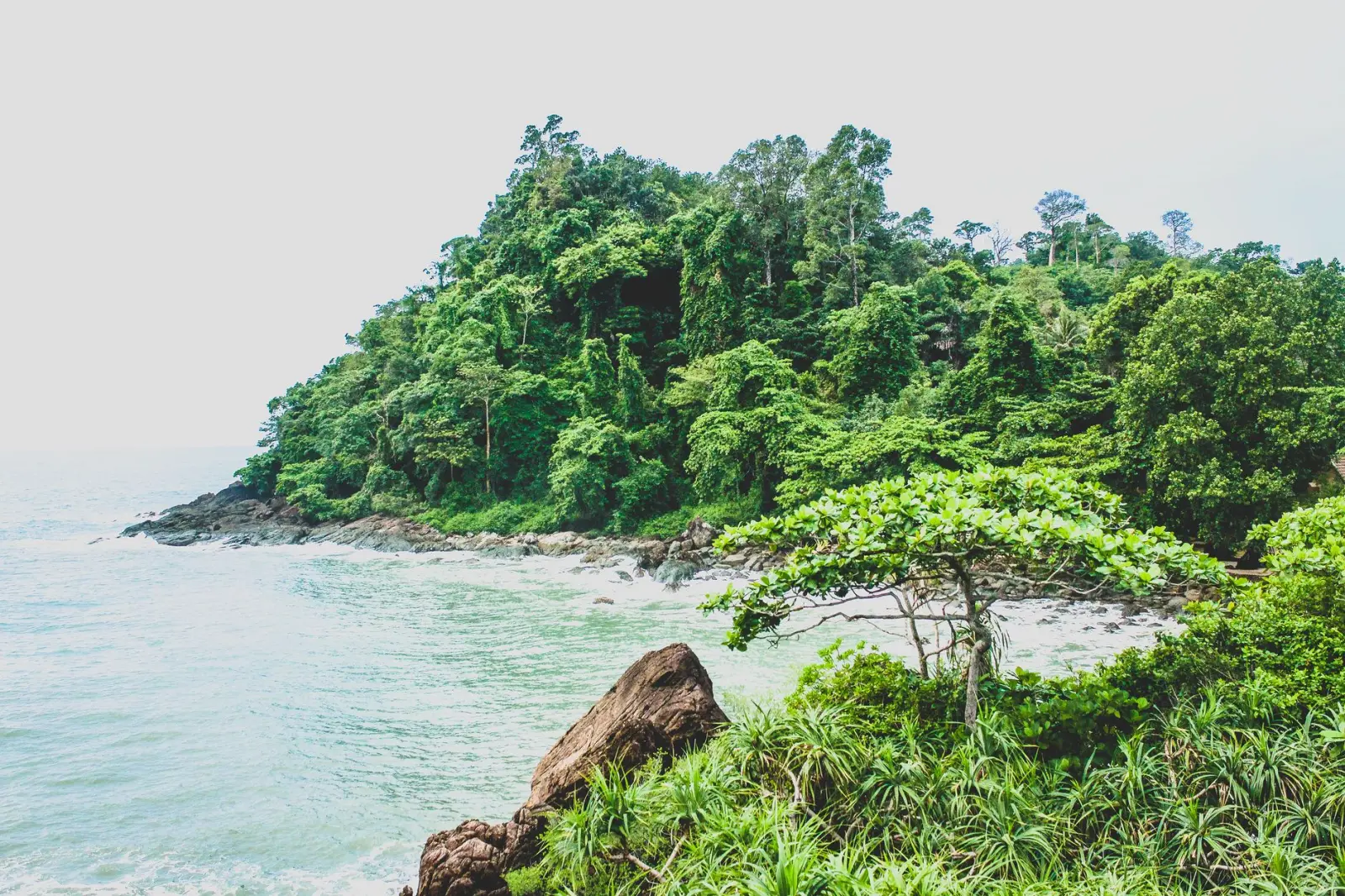
Littoral rainforest is one of those ecosystems that sounds more dramatic than it often appears in person. The name itself suggests something grand – rainforest meeting the sea – but the reality is smaller, more compressed, and far more fragile than most people anticipate. I’ve spent enough time in these patches to know that arriving with generic rainforest expectations will leave you underwhelmed. The vegetation is stunted compared to inland tropical rainforest. The canopy is lower. The sense of immensity you might feel in a true wet tropics setting simply isn’t there.
What makes littoral rainforest worth seeking out, though, is precisely its oddness. It exists in a narrow band where salt spray, wind, and poor soil create conditions that few plants tolerate. The species composition is unique. You’ll find plants here that exist nowhere else, adapted to a specific ecological niche that has become increasingly rare. Most of Australia’s littoral rainforest has been cleared or fragmented. What remains is scattered along the east coast, and the best-preserved patches are concentrated in a few specific regions.
The Gold Coast Hinterland Pockets
The Gold Coast region, particularly around the Tallebudgera Valley and the hills behind Currumbin, holds some of the most accessible littoral rainforest in Australia. The Currumbin Sanctuary area and the surrounding national park land contain patches that have been protected long enough to develop reasonable structure. I’ve walked these areas during different seasons, and the experience varies considerably depending on when you go. In summer, the humidity is oppressive and the insect pressure is genuine. In winter and spring, the conditions are far more pleasant, though the vegetation looks less vigorous.
The problem with the Gold Coast sites is that they’re heavily visited and the trails are well-worn. You’re unlikely to feel any sense of discovery or isolation. The vegetation, while botanically interesting, has been shaped by decades of human traffic. If you’re looking for littoral rainforest as a photographic subject or for a casual walk, it works fine. If you want to understand the ecosystem in something approaching its natural state, the disturbance here is noticeable.
Byron Bay and the Northern Rivers
Moving further north into New South Wales, the Byron Bay area and the surrounding hinterland contain littoral rainforest patches that feel less manicured. The Nightcap National Park and the areas around Minyon Falls include littoral rainforest transitions that are worth exploring, though they’re often mixed with subtropical rainforest rather than existing as pure littoral vegetation. The distinction matters if you’re specifically interested in the salt-adapted species and the open, wind-sculpted character that defines true littoral rainforest.
The Byron area has become increasingly popular, and the infrastructure reflects that. Accommodation and food options are plentiful, which makes it easier logistically. The trade-off is that the most accessible rainforest areas receive significant foot traffic. The less-visited patches require more effort to reach, which typically means a longer hike or navigation through less-developed trails. I’ve found that going during shoulder seasons – late autumn or early spring – reduces the crowds without making the weather difficult.
Dorrigo and the Coffs Harbour Region
South of Byron Bay, the Dorrigo area and the rainforests around Coffs Harbour contain littoral rainforest that tends to be less visited than the Gold Coast or Byron Bay sites. The Dorrigo Rainforest Centre and the surrounding national park land have preserved patches that still feel relatively undisturbed. The vegetation here is more robust than what you’ll see further south, and the species diversity reflects the transition between subtropical and temperate rainforest conditions.
The Coffs Harbour region is worth a dedicated visit if you have time. The coastal hinterland contains littoral rainforest pockets that are less famous than the Byron Bay sites but equally interesting botanically. The Solitary Islands area and the surrounding protected land include patches where you can see the ecosystem responding to coastal wind and salt spray without the overlay of heavy human use.
What Actually Happens on the Ground
When you’re in littoral rainforest, the first thing you notice is the wind. The canopy is lower and more open than inland rainforest, which means wind penetrates more effectively. The trees are often twisted and asymmetrical, shaped by decades of prevailing wind direction. This isn’t aesthetic in the way that a tall, straight-trunked rainforest is aesthetic. It’s functional and honest.
The understory is typically dense, and the ground layer is often difficult to navigate. Fallen logs, tangled vines, and low vegetation create obstacles that don’t exist in more open forest types. If you’re expecting to walk easily through littoral rainforest, you’ll be frustrated. The trails that exist have been cut and maintained specifically to allow passage. Off-trail movement is slow and often requires scrambling.
The wildlife is less obvious than in other rainforest types. The bird calls are different – fewer of the loud, distinctive calls you might expect from tropical rainforest. Reptiles are present but not commonly seen. Insects are abundant, and depending on the season and time of day, they can be a genuine annoyance. The overall sensory experience is quieter and more muted than inland rainforest, which some people find peaceful and others find underwhelming.
Timing and Practical Realities
Littoral rainforest is accessible year-round, but the experience changes significantly with season. Summer brings heat, humidity, and insects. The vegetation looks lusher, but the conditions are uncomfortable for extended exploration. Autumn and spring offer the best balance of pleasant weather and reasonable vegetation appearance. Winter is cool and dry, which is comfortable for walking, but the vegetation looks less vigorous and some species are less active.
Most littoral rainforest sites are within a few hours’ drive of major population centers. The Gold Coast sites are easily reached from Brisbane. The Byron Bay and Coffs Harbour sites are accessible from Sydney with a longer drive. The accessibility is both an advantage and a disadvantage. It means you can visit without committing to extended travel, but it also means these areas receive more pressure than more remote rainforest ecosystems.
Plan for a half-day or full-day visit rather than a quick stop. The trails are typically short – most are under 5 kilometers – but the terrain and the density of vegetation mean walking is slower than you might expect. Bring water, as the trails can be exposed in places and dehydration is a real concern. The vegetation offers some shade, but not complete protection from sun, particularly in the more open areas.
Littoral rainforest rewards patience and specific interest. If you’re drawn to rare ecosystems, unusual plant adaptations, and the particular character of coastal-influenced vegetation, the effort to visit is worthwhile. If you’re looking for the dramatic, expansive rainforest experience, you’ll find it more satisfying elsewhere. The best visits happen when expectations align with what the ecosystem actually offers.