Barrington Tops sits in a particular pocket of the New England plateau where subtropical rainforest meets open woodland, and the wildlife here reflects that tension between ecosystems. After spending considerable time moving through these forests – early mornings, late afternoons, wet seasons, dry seasons – you develop a sense of what actually lives here versus what the guidebooks suggest you might see. The reality is quieter and more selective than most people expect.
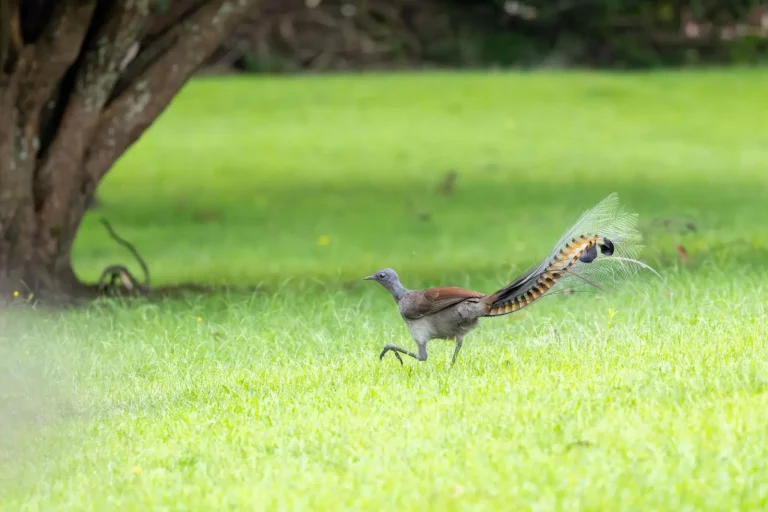
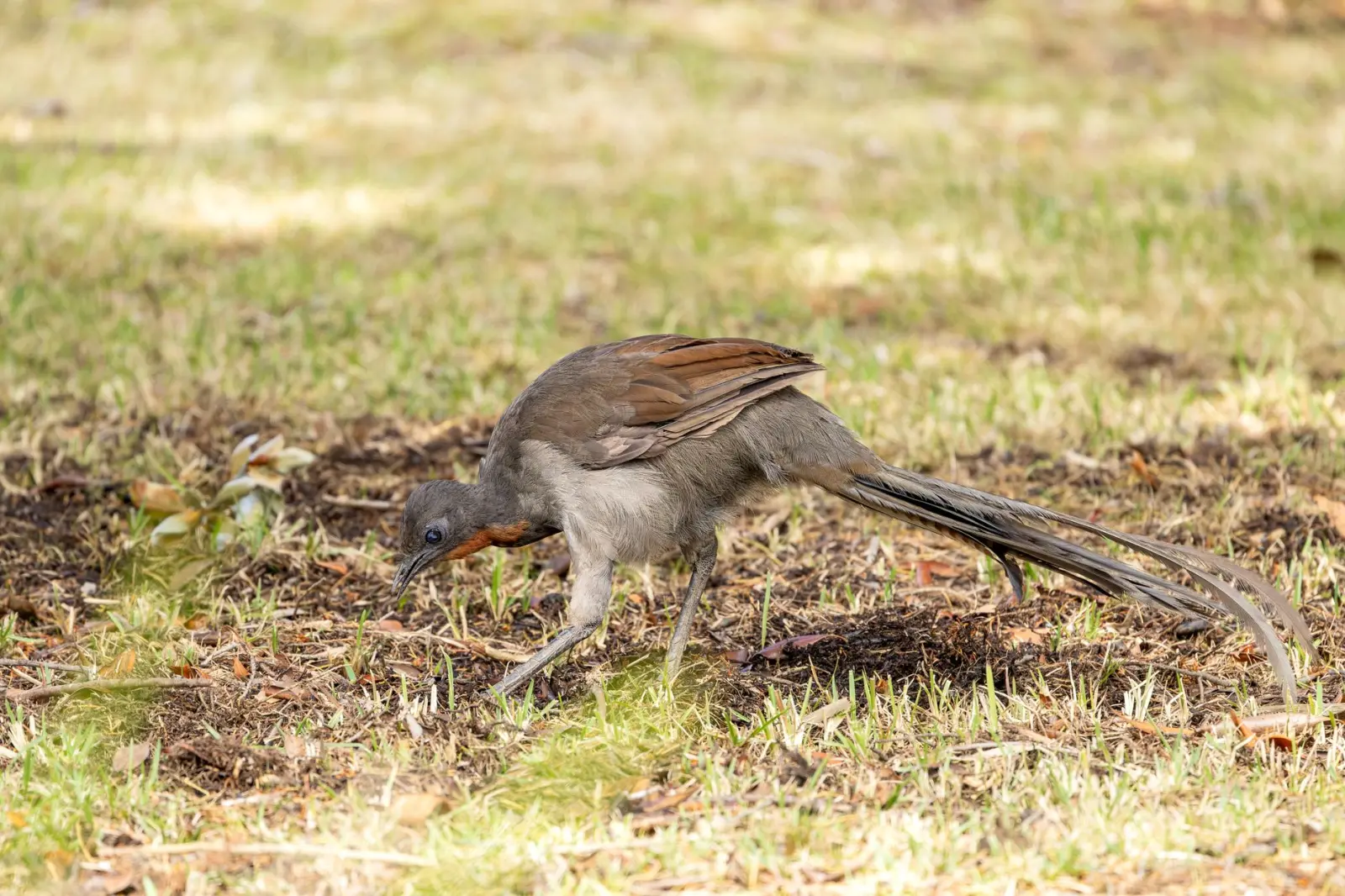
The forest canopy is dense enough that direct observation of most animals is rare. You hear them far more often than you see them. This matters because it shapes how you experience the place. A kookaburra’s laugh echoes through the valley at dawn, but you might never locate the bird. Lyrebirds move through the undergrowth with deliberate, almost mechanical precision, their calls mimicking everything from other birds to chainsaws and car alarms. You’ll recognize the sound before you understand what’s making it. That dissonance between sound and source is characteristic of this forest.
The Reliable Inhabitants
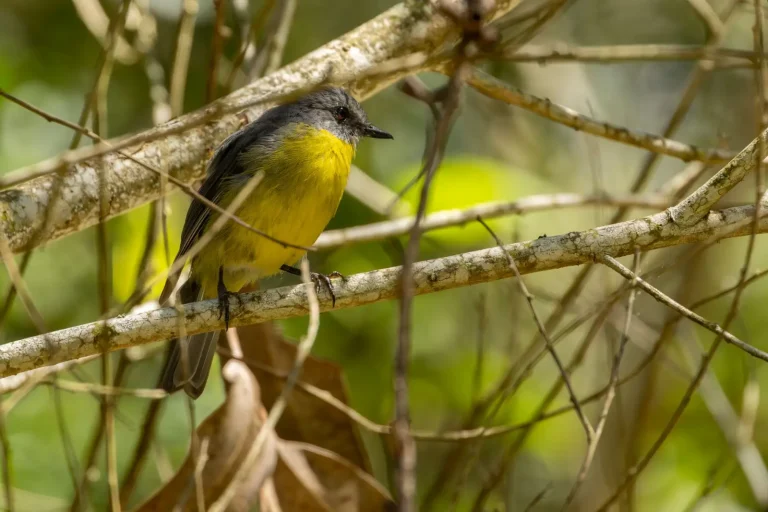
Certain animals appear predictably. Brush turkeys work the leaf litter year-round, creating distinctive mounds as they rake through decomposing material. Their presence is constant and visible – you see the evidence of their activity everywhere. Kookaburras, currawongs, and various honeyeaters occupy the mid-story and canopy. Tawny frogmouths perch on low branches at dusk, so well camouflaged they’re nearly invisible until you know what to look for. These species aren’t rare or elusive. They’re simply present, which means you’ll encounter them reliably if you’re patient and moving at the right times.
Smaller mammals tend toward nocturnal activity. Brushtail possums occupy the canopy and emerge at night. Sugar gliders exist here but are difficult to spot without specific knowledge of their habits and timing. Bandicoots and other ground-dwelling marsupials leave tracks and evidence but remain largely unseen during daylight hours. The forest supports these animals, but the forest also hides them effectively. This is not a limitation of the ecosystem – it’s the ecosystem functioning as designed.
Seasonal Shifts and Breeding Cycles
Spring brings noticeable changes in activity and visibility. Breeding cycles drive behavioral changes that make certain species more vocal and more visible. Lyrebirds become more active in their displays. Various birds engage in territorial calling. The forest feels busier, though the actual population may not have changed significantly. You’re simply seeing and hearing more of what was already present.
Wet season months alter movement patterns and habitat use. Increased water availability changes where animals forage and rest. Reptiles become more active during warm, wet conditions. Frogs emerge and call during breeding season, creating an acoustic landscape that can be overwhelming. Dry periods compress wildlife into remaining water sources, which can make observation easier if you position yourself near permanent water features. The seasonal rhythm shapes not just the animals’ behavior but your ability to encounter them.
Reptiles and Amphibians
The rainforest supports a modest diversity of snakes, though encounters are uncommon. Red-bellied black snakes occur here and are generally docile. Various python species inhabit the forest. Most snakes are cryptic and avoid confrontation. Lizards are more visible – blue-tongues move slowly through the undergrowth, and smaller skinks dart across exposed areas. Goannas pass through occasionally but are not permanent residents of the dense rainforest proper.
Frogs are numerous but largely heard rather than seen. During breeding season, the acoustic intensity can be remarkable. Several species occupy the rainforest, with populations responding to moisture and temperature conditions. Identifying individual species by call is possible if you develop familiarity with their vocalizations. Visual identification is harder because frogs tend to call from concealed positions within vegetation or water bodies.
What Absence Tells You
Certain animals you might expect to find in rainforest are absent or extremely rare at Barrington Tops. Larger macropods don’t inhabit the dense forest proper, though they use adjacent open areas. Dingoes are present in the broader region but don’t concentrate in rainforest. Some species that occur in other Australian rainforests simply don’t occur here – biogeography creates distinct boundaries that are not always obvious to casual observation.
The absence of certain species is ecologically informative. It reflects altitude, rainfall patterns, vegetation structure, and historical distribution. Understanding what’s not here is as important as cataloging what is. It prevents the common mistake of assuming all Australian rainforests contain the same fauna. Barrington Tops is specific to itself.
Practical Realities of Wildlife Observation
Visibility in rainforest is inherently limited. Dense vegetation obscures sight lines. Most animals are small or well-camouflaged. Light levels in the understory are low. These factors combine to make wildlife observation a patient, often unrewarding activity in terms of direct sightings. You might spend hours moving through the forest and see relatively little. This is normal. It doesn’t indicate absence – it indicates the forest is functioning as a forest functions.
Early morning and late afternoon offer better observation windows because light angles improve and animal activity peaks. Wet conditions after rain can increase visibility of certain species. Moving slowly and stopping frequently yields better results than continuous walking. Noise discipline matters – the forest is quiet, and human sound carries far. Most wildlife awareness comes from listening rather than watching. Adjust your expectations accordingly.
The rainforest at Barrington Tops supports a functional wildlife community adapted to that specific environment. It’s not a megafauna showcase or a place where rare species congregate. It’s a working ecosystem where animals occupy their niches, breed, forage, and move according to seasonal and daily rhythms. Your experience of that wildlife depends entirely on your timing, patience, and willingness to accept that much of what lives here remains unseen. That’s not a shortcoming – that’s how rainforests actually work.