
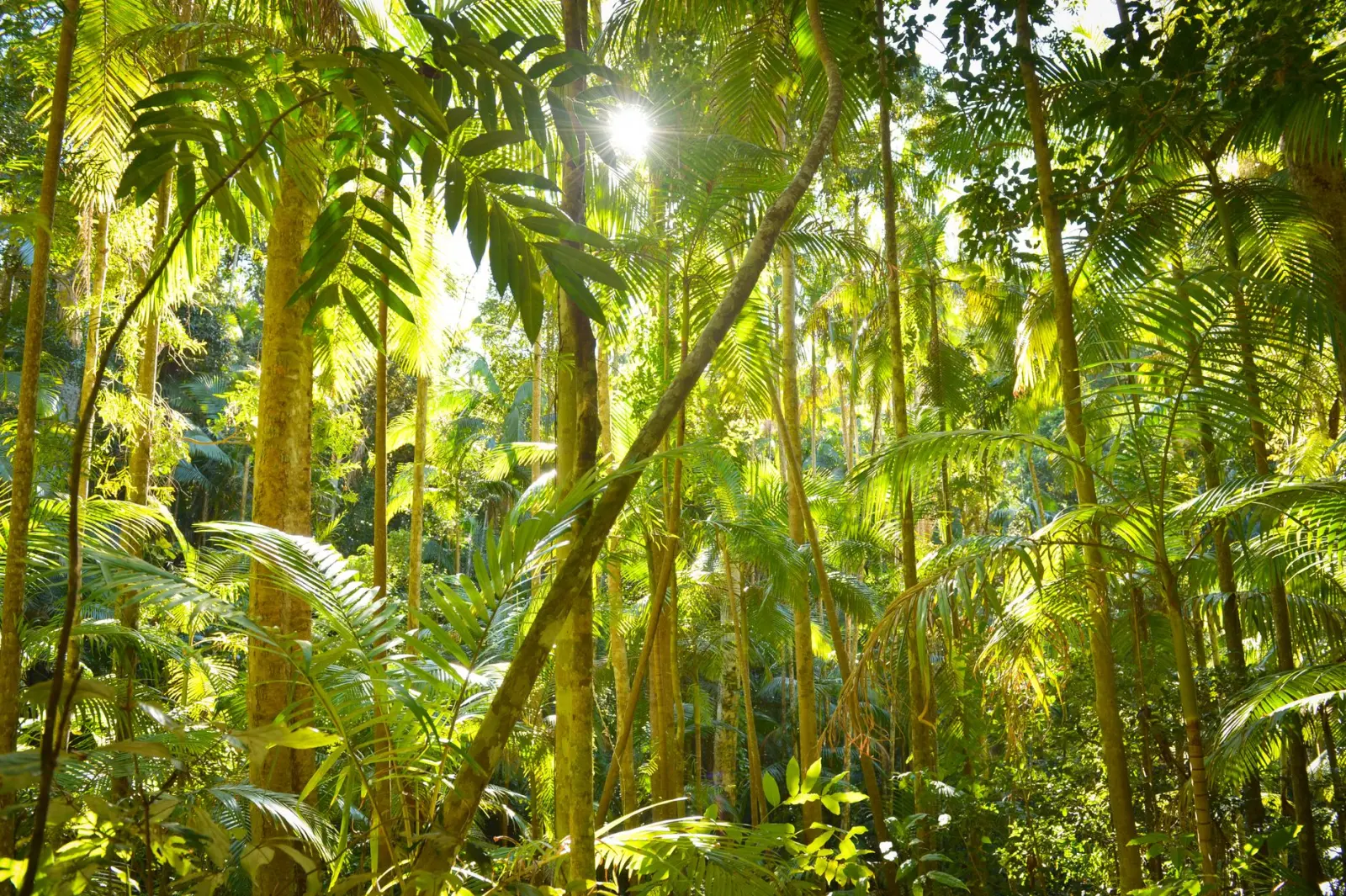
After spending considerable time moving through Australia’s rainforest regions – particularly in Queensland and northern New South Wales – I’ve developed a fairly clear sense of what snake encounters actually look like out there. The reality is less dramatic than popular media suggests, but also more nuanced than most casual visitors understand. Rainforest snakes are present, they’re active under certain conditions, and understanding their patterns matters more than memorizing a list of species.
The first thing that strikes most people is how rarely snakes are actually seen. Rainforests are dense, humid, and visually overwhelming. A snake moving through that environment has excellent cover and little reason to expose itself. Most encounters happen by accident – someone stepping near a log, reaching into leaf litter, or disturbing a snake’s resting spot. The snake typically retreats far faster than the human can react. This happens more often than people realize, but it goes unnoticed because the snake leaves before anyone registers its presence.
The snakes themselves vary considerably by location and season. Coastal rainforests and the ranges around Cairns, Daintree, and the Border Ranges host different assemblages depending on elevation, moisture, and prey availability. Pythons are common – the carpet python and scrub python are widespread – and they’re generally non-aggressive unless provoked or defending a kill. These are ambush predators that spend much of their time coiled in trees or under debris. Elapids, the venomous snakes, are present but less frequently encountered than people expect. The red-bellied black snake and the king brown snake do occur in rainforest margins and disturbed areas, but they’re not rainforest specialists.
Seasonal Patterns and Activity Levels
Timing matters significantly. Rainforest snakes are most active during warmer months, particularly from October through March. During this period, temperatures remain high, humidity is typically elevated, and prey activity increases. Snakes are more mobile, feeding more frequently, and therefore more likely to be encountered. In cooler months, activity drops noticeably. Snakes spend more time sheltering, moving less, and feeding less often. Winter in southern rainforests can mean weeks of minimal snake activity.
Rain also influences behavior in ways that surprise visitors. Heavy rain drives many snakes to higher ground or into shelter – they don’t hunt effectively in torrential conditions, and waterlogged areas become less productive for feeding. Light rain or the period immediately after rain often sees increased snake movement as prey becomes more active. Dawn and dusk are typically the most active periods, though rainforest shade means snakes can be active throughout the day if conditions are right.
Habitat Preferences Within the Rainforest
Not all rainforest is equally likely to hold snakes. Dense, undisturbed primary rainforest is actually less productive than you might think. Snakes need accessible prey, and primary rainforest can be surprisingly sparse in small vertebrates and invertebrates in certain zones. Edges matter – the transition between rainforest and open areas, disturbed sections with regenerating growth, and riparian zones along streams tend to concentrate snakes. These areas have better prey availability and more accessible shelter.
Leaf litter depth and composition influence snake presence. Areas with deep, moist leaf litter support more small prey species, which in turn support more snakes. Fallen logs, root tangles, and rocky outcrops provide shelter. Snakes in rainforest tend to be more arboreal than their open-country counterparts – trees offer shelter, hunting opportunities, and escape routes. The scrub python, for instance, spends much of its life in the canopy and mid-story, rarely descending to the ground except to move between trees or find shelter.
Practical Realities of Encounters
Most people who spend time in rainforests see few snakes. A week-long trek might involve zero sightings. A month of regular movement through rainforest might yield one or two encounters, usually brief. This isn’t because snakes are rare – they’re present – but because both humans and snakes have strong incentives to avoid each other. Humans make noise and vibrations that alert snakes to their approach. Snakes move away. The encounter never happens.
When encounters do occur, they’re typically at close range and unexpected. Someone steps near a snake, or reaches toward something without looking. The snake’s response varies. Non-venomous pythons often freeze or move away slowly. Some will strike if they feel cornered or threatened, but this is defensive, not predatory. Venomous snakes generally retreat if given space. The exceptions are snakes actively defending a nest or kill, or snakes that have been accidentally grabbed or pinned.
Footwear and clothing choices actually matter, though not in the way many assume. Thick boots don’t reliably prevent snake bites – a determined snake can bite through leather, and most bites occur on the lower leg or foot where fangs can find skin. Long pants reduce the likelihood of accidental contact and provide some protection from other hazards. The real protection comes from awareness and deliberate movement. Walking slowly, watching where you step, and avoiding reaching into spaces you can’t see work far better than any specific clothing.
Species You’re Most Likely to Encounter
The carpet python is probably the most commonly seen rainforest snake, though “commonly” is relative. They’re docile, relatively large, and often visible on branches or around structures near rainforest edges. They hunt small mammals and birds. The scrub python is similar in temperament but more arboreal and harder to spot. Both are non-venomous and pose no threat unless handled roughly.
The red-bellied black snake does occur in rainforest margins and wet sclerophyll forest, though it prefers more open conditions. It’s venomous but shy. Most people who encounter one see it moving away. The king brown snake is another venomous species that appears in disturbed rainforest areas and grasslands adjacent to forest. Again, it’s generally non-aggressive.
Smaller species – keelbacks, small elapids, blind snakes – are present but rarely noticed. They’re cryptic, often nocturnal, and easy to miss. Their presence is confirmed more often through herpetological surveys than through casual observation.
The practical takeaway from years of moving through these environments is straightforward: rainforest snakes exist, they’re part of the ecosystem, and they’re worth respecting. But they’re not the constant threat that imagination sometimes constructs. Awareness, deliberate movement, and basic caution handle the risk effectively. The snakes themselves are far more interested in avoiding you than engaging with you.