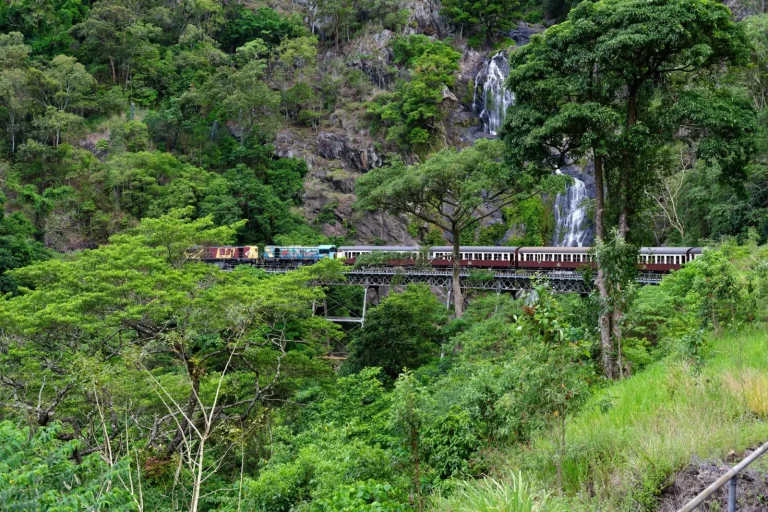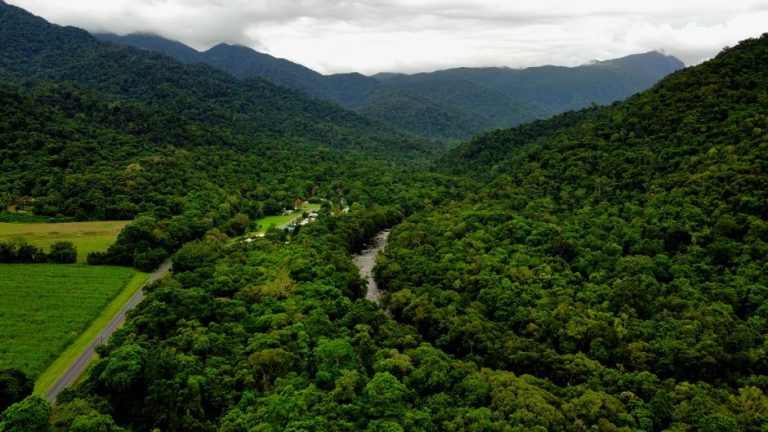

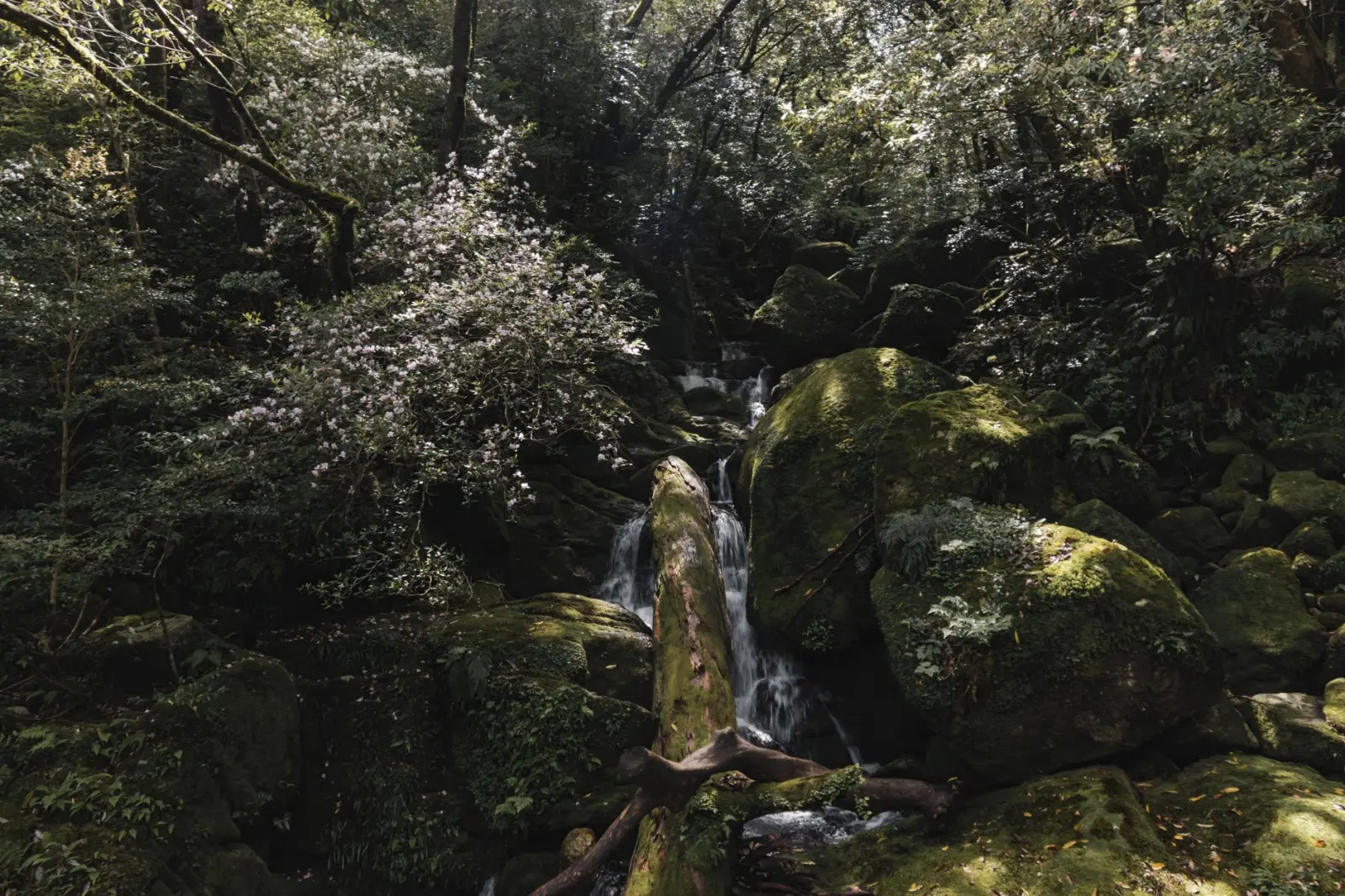
Lamington National Park sits on the Queensland-New South Wales border, and its reputation rests largely on waterfalls. I’ve walked these tracks across different seasons, times of day, and crowd densities. The park delivers genuine rainforest scenery and legitimate waterfall experiences, but the reality is more textured than the marketing suggests. The water flow varies dramatically, the walks are steeper than most people anticipate, and timing matters more than most guides acknowledge.
The park’s main appeal is straightforward: subtropical rainforest with permanent water features. Unlike many Australian parks where waterfalls are seasonal and often disappointing, Lamington’s falls run year-round because the hinterland receives consistent rainfall. This reliability is the park’s actual strength. You won’t arrive to find dry rock faces. That said, flow volume fluctuates. During dry spells – which happen even in a wet climate – the falls reduce to modest cascades. After heavy rain, they become genuinely powerful, but the tracks themselves become slippery and the visibility through mist increases.
The Main Walks and What to Expect
The most visited waterfall track is Chalahn Falls. It’s a straightforward 2.6-kilometre return walk that descends into the rainforest and arrives at a tiered waterfall with a pool. The descent is steeper than the distance suggests – you lose about 200 metres in elevation. Most people underestimate this. The walk itself is well-maintained, but the return climb tests fitness levels that casual visitors often misjudge. I’ve seen fit-looking people struggling on the way back, not because the distance is long, but because the gradient is relentless. The falls themselves are modest in width but fall into a clear pool. On warm days, people swim. The water is cold year-round, fed by rainforest streams.
Minyon Falls is less crowded and requires more commitment. The walk is longer – roughly 5 kilometres return – and the descent is more pronounced. The falls are higher and more dramatic than Chalahn, dropping into a deeper pool surrounded by steeper rainforest walls. The trade-off is obvious: fewer people, but you need better fitness and more time. I’ve found this walk delivers a more immersive experience, partly because the crowd pressure is lower and partly because the landscape feels less manicured.
Python Rock Falls is shorter and less visited. The walk is about 1.5 kilometres return with moderate elevation change. The falls are smaller, more of a cascade than a dramatic drop, but the walk passes through interesting forest sections and the destination feels less like a checkpoint on a tourist itinerary. This is worth considering if you want rainforest experience without the social intensity of the main tracks.
Timing and Crowd Reality
The park is busiest between 9 a.m. and 2 p.m., particularly on weekends. If you start early – say 7 a.m. – you’ll have a different experience. The light is softer, the tracks are quieter, and you’re less likely to encounter bottlenecks at the falls themselves. The trade-off is that you need to be organised the night before, and you’ll finish early in the day. Starting after 3 p.m. works if you’re comfortable walking in diminishing light and finishing near dusk. The park doesn’t close, but visibility matters on narrow rainforest tracks.
Weekdays are noticeably quieter than weekends, even during school holidays. If you have flexibility, a Tuesday or Wednesday visit produces a fundamentally different experience than a Saturday. The falls feel less like destinations and more like natural features you’ve discovered.
Seasonal Variations and Water Flow
Summer (December to February) brings the most rainfall and the strongest water flow. The falls are genuinely impressive. The downside is humidity, insect activity, and occasional track closures after extreme weather. Autumn (March to May) offers reliable flow with lower humidity and fewer insects. Spring (September to November) is drier, water flow diminishes, and the light is excellent. Winter (June to August) is the driest period. The falls don’t disappear, but they’re reduced. If you’re visiting specifically for dramatic waterfall photography, autumn and early summer are better bets than winter.
I’ve noticed that locals often visit in autumn. There’s a reason for that. The conditions are genuinely better for walking – cooler, less buggy, still wet enough for impressive falls. Tourist numbers peak in winter, partly because the weather is mild and partly because school holidays align with June and July. This creates a paradox: the busiest season often coincides with the least impressive water flow.
Physical Demands and Fitness Reality
The park’s promotional material doesn’t emphasise the physical demands clearly enough. Chalahn Falls is marketed as an easy walk because it’s short and well-maintained. In reality, it’s moderately strenuous. The descent is fine; the return climb is where most people feel it. If you’re unfit or carrying young children, you’ll find it challenging. Minyon Falls is genuinely harder. Python Rock is genuinely easier. This distinction matters for trip planning.
The tracks are generally well-graded and stable, but they’re wet most of the time. The rainforest canopy keeps moisture in, and the soil drains slowly. Even days after rain, the tracks are damp. Proper footwear makes a real difference. Casual shoes or thongs are a mistake. I’ve seen people turn back because they slipped or felt unsafe. Decent hiking boots or trail shoes with grip are practical necessities, not optional upgrades.
What Gets Overlooked
Most visitors focus on the falls themselves and miss the rainforest. The walk to Chalahn passes through sections of genuinely old forest – trees that have been there for decades. The canopy is dense, the light is filtered and green, and the sense of being inside something older than the modern world is real. If you’re only looking at the waterfall and taking photos, you’re missing the actual experience of being in a subtropical rainforest.
Insects are present but not overwhelming if you’re prepared. Mosquitoes exist, particularly near water. Leeches appear after rain. Neither is a reason to avoid the park, but neither should surprise you. Insect repellent works. Long sleeves and pants reduce exposure. The rainforest is alive; that’s part of what makes it interesting.
The park has multiple entry points and accommodation options. Binna Burra and Green Mountains are the main lodges. If you’re day-visiting, parking is straightforward, but the main carpark fills on busy days. Arriving early or visiting midweek reduces this pressure. The facilities are basic but adequate – toilets, picnic areas, basic information boards.
Lamington’s waterfalls are genuine features in a genuine rainforest. They’re not the tallest or most dramatic in Australia, but they’re reliable, accessible, and set in landscape that rewards attention. The experience depends heavily on when you visit, how fit you are, and whether you’re there for the waterfall or for the walk itself. Managed expectations produce better outcomes than arriving with brochure-level assumptions.