
Mount Tamborine draws a steady stream of walkers, and for good reason. The trails around the mountain offer something genuinely useful – they’re accessible from Brisbane, they don’t demand a full weekend commitment, and the subtropical forest canopy provides real relief on warm days. But there’s a gap between what the maps suggest and what you actually encounter when you’re out there, and that gap tends to reveal itself about halfway through a walk when you’re already committed.
The mountain sits roughly 500 metres above the surrounding plains, which sounds modest until you’re climbing through humid air with limited shade. The elevation gain across most trails here isn’t dramatic in absolute terms, but the way it’s distributed – often in concentrated pushes rather than gradual ascent – changes how your body responds. I’ve watched experienced walkers arrive expecting a gentle forest stroll and find themselves breathing harder than anticipated. The subtropical environment means the air doesn’t cool the way it does in temperate forests, even under dense canopy.
What strikes me most about these trails is how much they reward familiarity with the specific conditions rather than general hiking fitness. A person who has walked steep terrain at altitude might struggle more than someone who has spent time moving through warm, humid forest at moderate elevation. The muscle groups engaged are different. The breathing pattern is different. The sweat rate is different. It’s not that one person is fitter than the other – it’s that their fitness is specific to different environments.
The Actual Trail Network
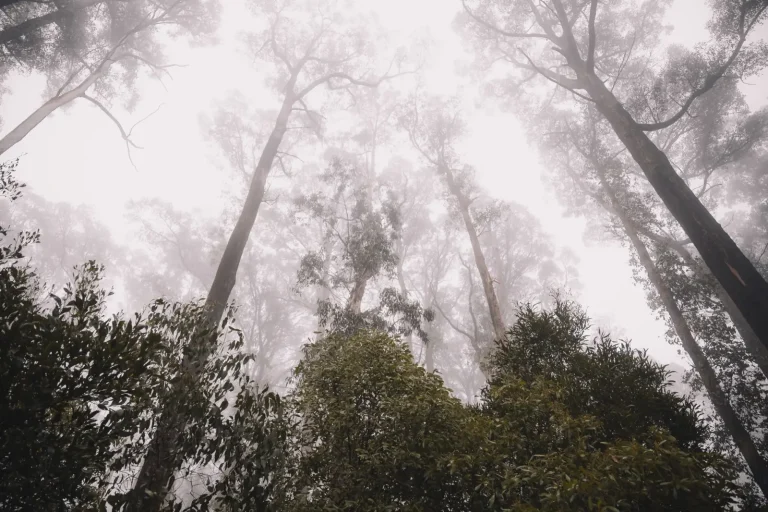
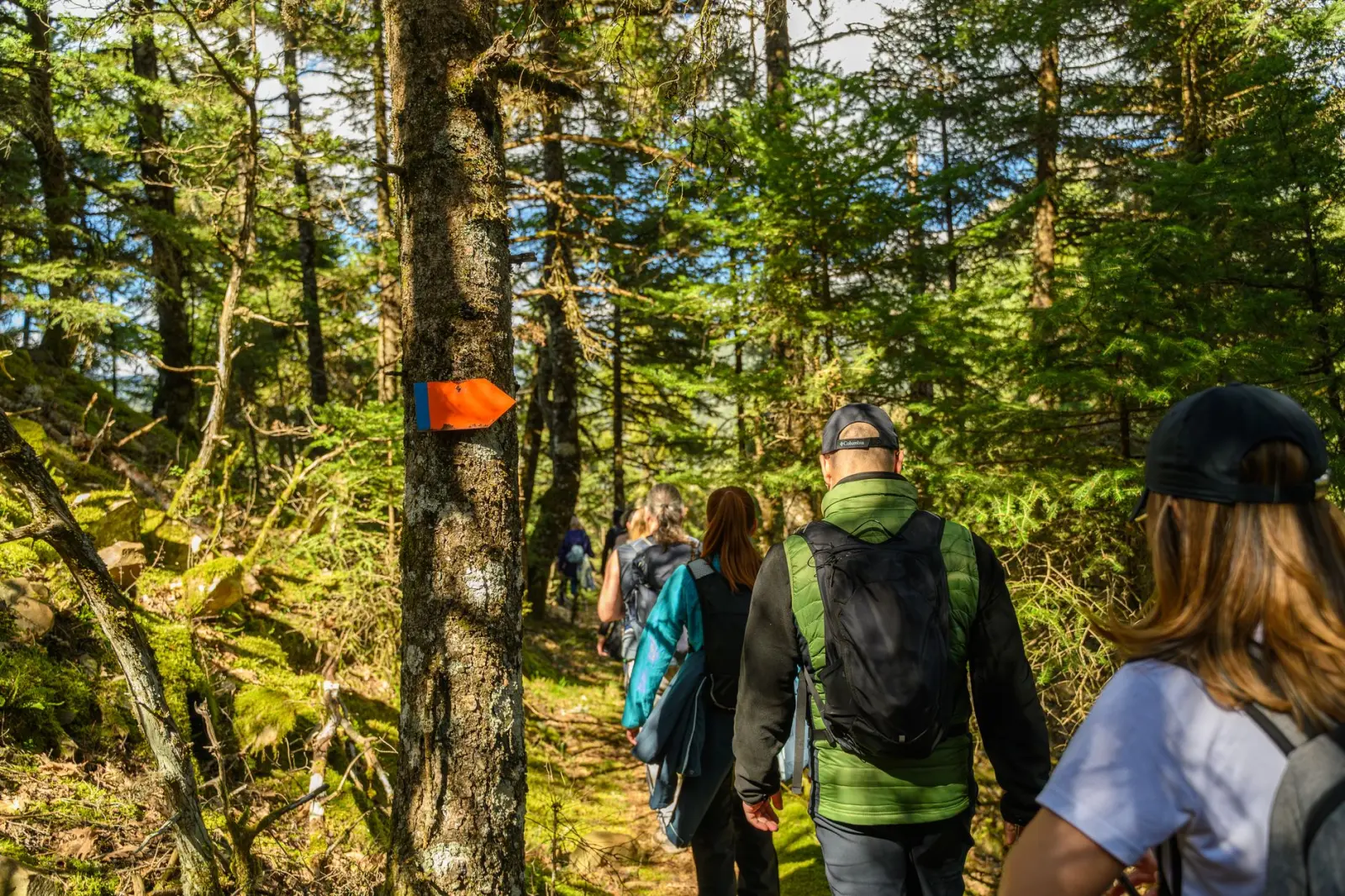
Tamborine has several distinct walking areas, and they behave quite differently. The popular loops near the visitor facilities – Rainforest Circuit, Palm Grove, Cedar Creek Falls – tend toward 2 to 4 kilometres and work well for families or people with limited time. These trails are well-maintained, clearly marked, and the walking surface is generally reliable. The forest canopy is dense enough that you notice the temperature drop immediately.
The longer routes, particularly those connecting different sections of the mountain or heading toward the ridgeline, are another proposition entirely. These trails see fewer boots, which means the maintenance is less consistent. Roots become more prominent. Water crossings that are minor after dry spells can be substantial after heavy rain. The Queensland climate means you can experience both within a week. I’ve crossed what was a trickle one day and found it genuinely difficult to negotiate a fortnight later. This isn’t a warning so much as an observation about how these trails respond to weather patterns.
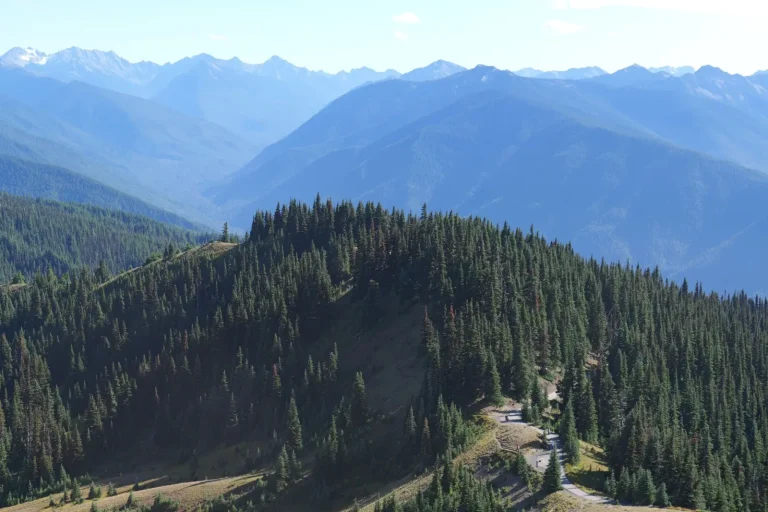
The ridge walk that runs along the top of the mountain offers views that justify the effort, but it also exposes you to wind and sun in a way the lower forest trails don’t. You lose the canopy protection and gain visibility. Some walkers find that trade worthwhile. Others discover they prefer the enclosed forest environment. It’s worth understanding which you are before committing to a full ridge traverse.
Timing and Heat Management
Starting early matters more here than on many Australian trails. By mid-morning, the humidity combines with the forest temperature to create conditions where your body works noticeably harder to regulate heat. I’ve noticed that people who start at dawn move through the trails with visible ease, while those beginning at 9 or 10 am are managing fatigue more actively by the time they’re halfway through. This isn’t about being unfit – it’s about the specific demands of subtropical forest walking in warm conditions.
Water management becomes significant on anything longer than a short loop. The trails don’t offer reliable water sources, despite the forest environment. There are creek crossings, but treating water from them requires either tablets or a filter, and not everyone carries either. Most walkers I encounter bring enough water from the start, but I’ve seen people underestimate what they need and find themselves rationing water toward the end of a walk. The humid environment masks how much you’re sweating, which means dehydration can creep up without obvious warning signs.
The forest provides genuine shade, which is valuable, but it also means you don’t get the psychological relief of seeing how far you’ve come. The landscape doesn’t change dramatically as you progress – you move through similar forest for extended periods. This affects pacing. Some people find the consistency meditative. Others find it monotonous and lose motivation. It’s worth knowing which way you tend to respond to repetitive terrain.
The Walking Surface and Footwork
The trails around Tamborine are predominantly dirt and root, with sections of rock where the mountain’s geology becomes more prominent. The root systems are extensive and exposed, which means careful footwork is required. This isn’t technical climbing, but it does demand attention. The risk of a twisted ankle is real, particularly on the longer routes where fatigue affects proprioception. I’ve seen several walkers deal with minor injuries that could have been prevented with better attention to foot placement in the final kilometres of a walk.
After rain, the exposed roots become slippery. The dirt sections hold moisture and become muddy. The rocks remain treacherous even when they appear dry. The subtropical climate means rain is frequent and often intense, so the trails are regularly in some state of dampness. This changes the entire character of a walk. A route that feels straightforward on a dry day can demand genuine care after wet weather.
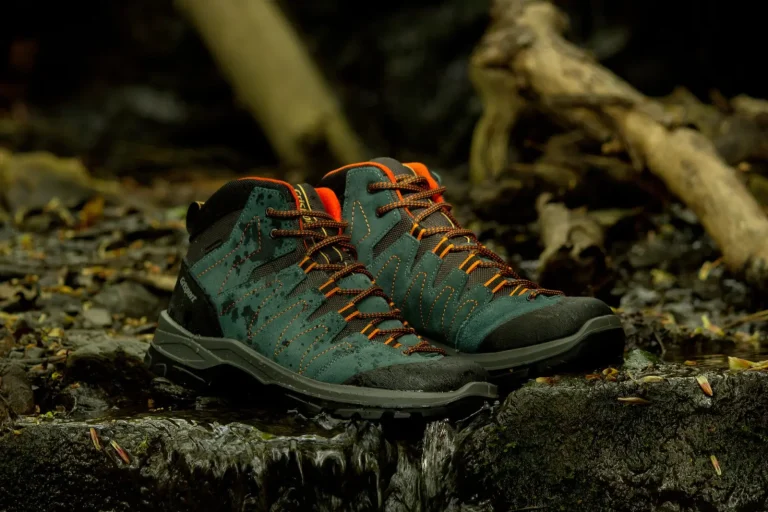
Footwear makes a tangible difference. Trail shoes with good grip and ankle support handle the root-heavy sections more effectively than general sneakers. I’ve watched people in inappropriate footwear manage the trails, but they work noticeably harder and their movement becomes more cautious. It’s not essential to have specialized gear, but the trails reward it.
Seasonal and Weather Patterns
The subtropical location means these trails are walkable year-round, but conditions vary significantly. Summer brings heat and humidity but also afternoon thunderstorms. Winter is drier and cooler but still humid by temperate standards. Spring tends to offer the most consistent conditions – warm enough that the forest feels pleasant, dry enough that the trails are in good condition, and the canopy is full.
The storm season is worth respecting. Thunderstorms build quickly in the afternoon, and being under a forest canopy doesn’t provide the protection people often assume it does. Lightning risk exists, and the trails can become genuinely hazardous if you’re caught in heavy rain on exposed sections. Most experienced walkers I know plan their timing specifically to avoid afternoon storms during the warmer months.
The trails don’t require special permits or bookings, which makes them accessible, but it also means there’s no system tracking who is out there. This matters if something goes wrong. The mobile coverage is patchy – adequate in some areas, non-existent in others. It’s worth understanding where you are in relation to signal before you need it.
Walking Mount Tamborine’s trails repeatedly teaches you that the experience is defined as much by your understanding of the specific conditions as by your fitness level. The trails themselves are stable and well-established, but they demand respect for the subtropical environment, attention to timing, and realistic assessment of what the terrain actually requires from your body. The reward is genuine – time moving through old forest with the kind of canopy protection that makes the Australian heat manageable. That’s why people return.