The Scenic Rim rainforests sit in that awkward zone where they’re close enough to Brisbane to feel accessible, yet remote enough that most visitors never quite find the best vantage points. I’ve spent enough time driving these roads and walking these trails to know which lookouts actually deliver views versus which ones disappoint after the drive. The region spans several council areas and elevation zones, which means conditions, accessibility, and what you’ll actually see shift considerably depending on where you go and when you arrive.
Most people think “Scenic Rim rainforest” and picture one place. In reality, you’re dealing with pockets of subtropical rainforest scattered across a larger landscape of farmland, eucalypt forest, and cleared ridgelines. The views that matter most are the ones where the rainforest canopy sits below you or spreads across a valley, not the ones where you’re standing in the forest looking at trees. That distinction matters because it changes which locations are worth your time.
The Lookouts That Actually Deliver
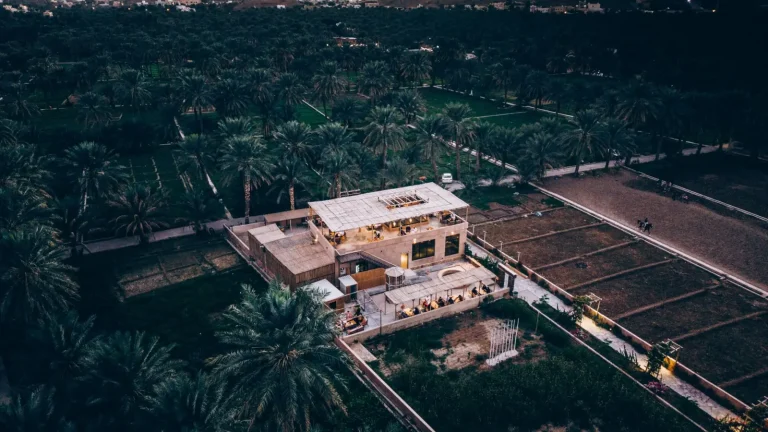
Austinvilla Estate Vineyard sits on high ground near Tamboram, and while it’s technically a winery, the views across the rainforest valleys to the west are genuine. You’re paying for wine or a meal to access the vantage point, which feels fair given the position. The elevation gives you sight lines across multiple ridges, and on clear mornings the light hits the canopy in a way that makes the depth obvious. The catch is that this is a commercial venue, so you’re not going there purely for the view – you’re committing to spending money on their offerings. That’s fine if you’re in the mood for it, but it’s worth knowing upfront.
Boomerang Farm near Canungra offers a different angle. The property opens up views toward the Numinbah Valley, and the rainforest sits in a way that lets you see the texture of the canopy rather than just a green mass. Access here is more casual than Austinvilla, though you’re still on private land and should check current opening arrangements. The elevation isn’t as dramatic, but the intimacy of the view – seeing individual tree crowns and the layering of the forest – compensates.
The Summergrove Estate area provides views that most visitors miss entirely. You’re looking across to Mount Tamboram and the surrounding forest, and the vantage point sits high enough that you get genuine perspective on the scale of the rainforest. This isn’t a formal lookout with signage; it’s more that the road passes through areas where the views open up naturally. You need to know where to stop, and that’s the kind of detail that separates a useful local tip from generic travel advice.
Walking Into the Forest Versus Looking At It
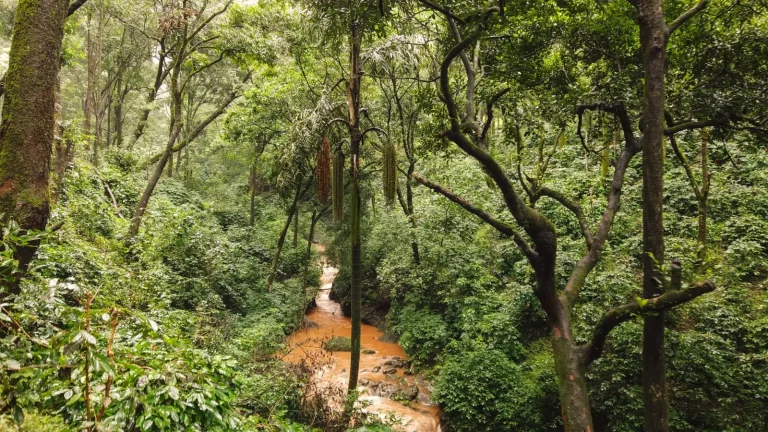
There’s a meaningful difference between viewing rainforest from above and walking through it. The Numinbah Valley walking tracks take you into the canopy, which gives you a sense of the forest’s structure and depth that no lookout can match. Killarney Falls and the various creek walks in that area put you among the trees, hearing the water, seeing the ferns and moss. But you lose the overview – you’re immersed rather than observing.
If your goal is to see rainforest in the landscape sense, to understand how it sits in the terrain and how extensive it is, the elevated vantage points matter more. If you want to experience the forest itself, the walking tracks are where that happens. Most visitors try to do both in a single visit, which usually means doing neither well. The drive between Canungra and Numinbah takes time, the walks take time, and by mid-afternoon fatigue sets in.
Timing and Visibility Realities
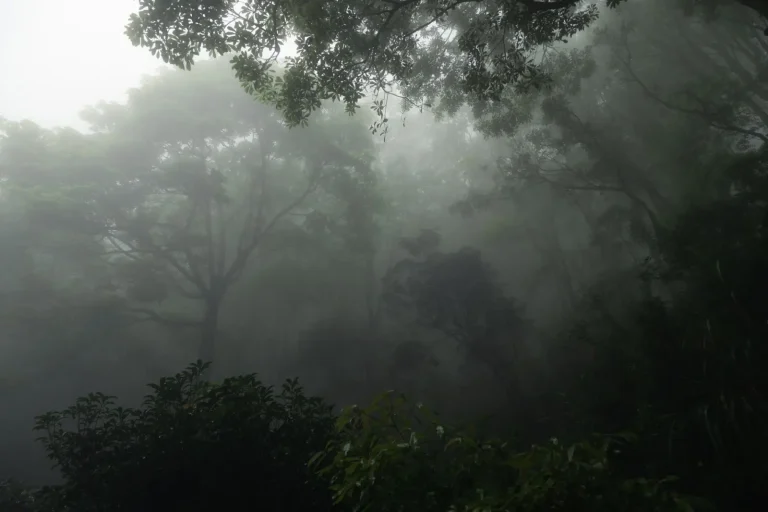
The views here are weather-dependent in ways that aren’t always obvious from a distance. Cloud cover rolls in off the coast and settles in the valleys, particularly in the mornings and after rain. I’ve driven to several of these spots expecting clear views only to find the rainforest obscured entirely. Early morning – before 9 a.m. on most days – gives you the best chance of clear sight lines. By mid-morning, thermal activity and moisture create haze that flattens the view.
Autumn and early winter tend to offer the clearest conditions, with lower humidity and more stable atmospheric pressure. Summer brings afternoon storms that clear the air temporarily but also create unpredictable visibility. This isn’t something you can plan around precisely, but it’s worth understanding before you drive an hour expecting a particular view.
The roads themselves require attention. Several of the routes to these vantage points pass through small towns and wind through farmland. They’re not difficult drives, but they’re not highways either. If you’re coming from Brisbane, allow extra time and don’t assume you can do this as a quick afternoon trip. The Scenic Rim is scenic partly because it’s not straight or fast to navigate.
What You Actually See
The rainforest in the Scenic Rim isn’t the dense, impenetrable jungle of popular imagination. It’s subtropical rainforest, which means it’s diverse in structure – some areas are dense, others more open, with scattered emergent trees rising above the canopy. The color varies seasonally. In spring, there’s more flowering and the canopy shows more variation. In late summer, everything is uniformly green and dense.
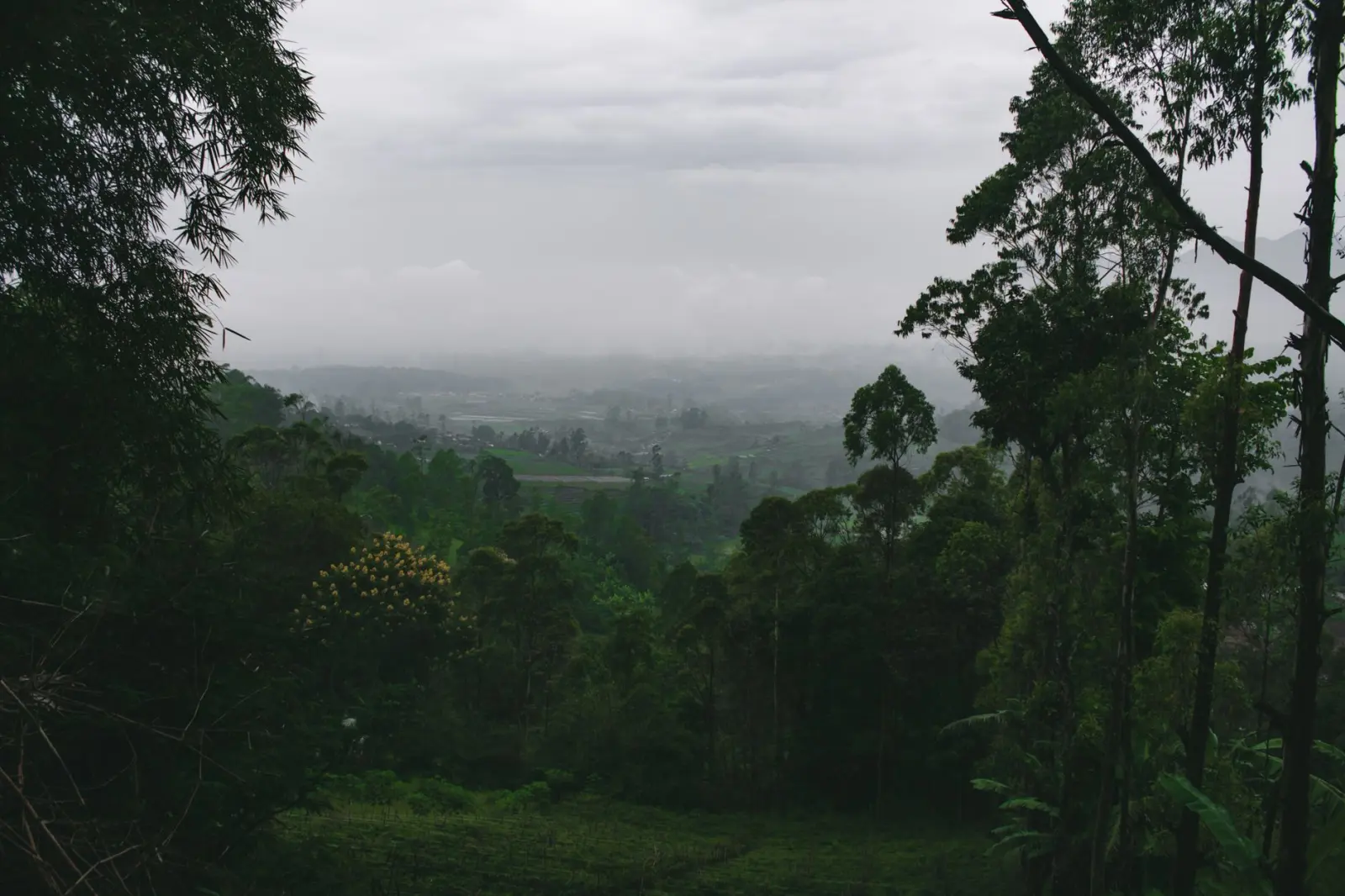
The scale of the forest becomes apparent only when you’re elevated above it. From the lookouts, you see how the rainforest follows the creeks and valleys, how it thins at certain elevations, and how it contrasts with the surrounding cleared land. That perspective is what makes these views worthwhile – not the visual drama, but the understanding of how the landscape is organized.
Many visitors expect the Scenic Rim rainforests to rival the density and drama of places like the Daintree. They don’t, and that’s not a failing. The value here is in seeing a functioning subtropical rainforest ecosystem in a landscape that’s still partly cleared and partly settled. It’s real, it’s accessible, and it offers genuine insight into how Australian rainforests exist in a mixed landscape rather than as remote wilderness.