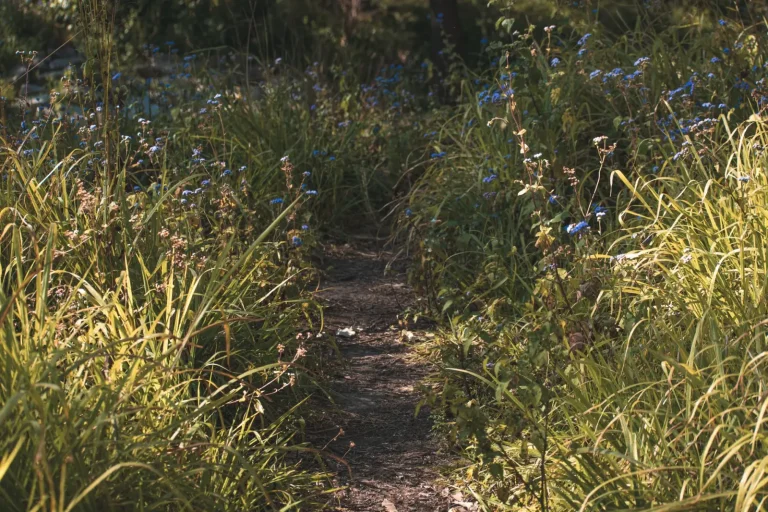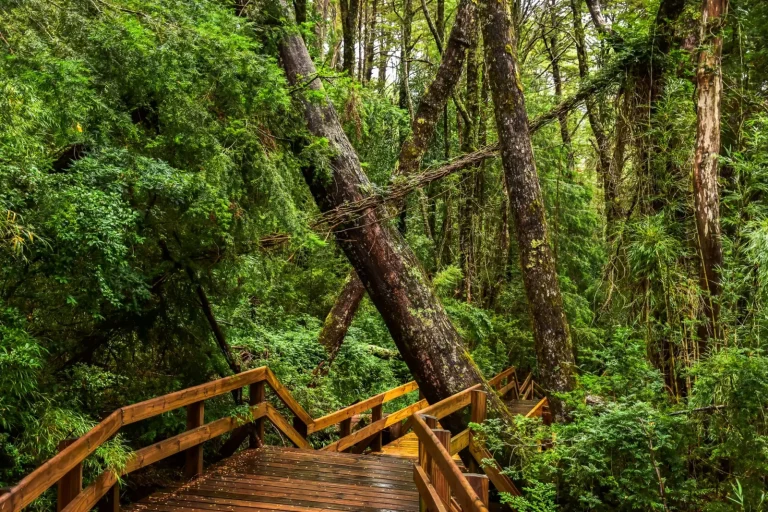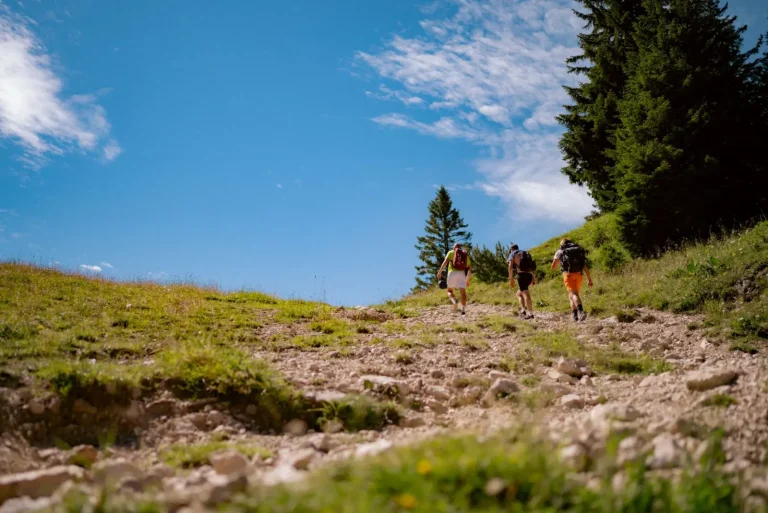

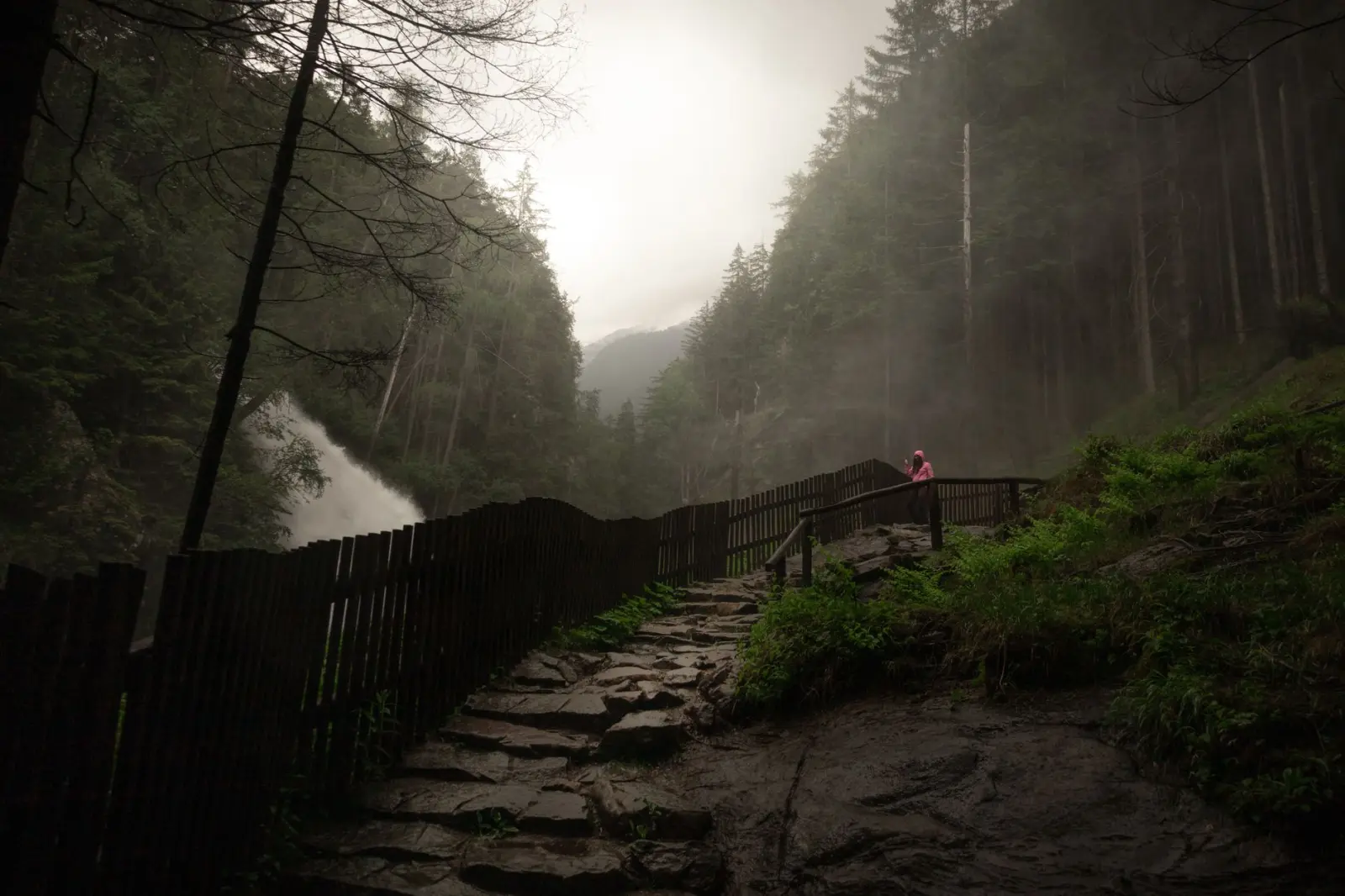
The rainforest trails around the Sunshine Coast tend to divide into two groups: those that deliver genuine experience and those that feel like they exist mainly for the guidebook. After years of walking these areas, I’ve learned which ones reward the effort and which ones disappoint once you’re actually out there. The difference usually comes down to water features, canopy density, and how well the track has been maintained in the last season or two.
The Sunshine Coast’s rainforests sit on the eastern slope of the Great Dividing Range, which means they catch moisture-laden air coming off the ocean. This creates a particular kind of subtropical rainforest – not the dense, impenetrable jungle of far north Queensland, but something with more open understory and better walking conditions. The trade-off is that trails can become slippery quickly after rain, and the wet season (November to April) turns some routes into mud slogs that lose their appeal fast.
Kondalilla Falls and the Wider Network
Kondalilla is the most visited trail in the region, and for good reason. The 4.8-kilometre return walk follows Kondalilla Creek uphill through open rainforest to a substantial waterfall. What strikes you on the ground is how the creek itself becomes the walk – you’re essentially following water the whole way, which means the trail is never dull and navigation is straightforward. The falls pool is genuinely swimmable, which matters on a warm day.
The main frustration with Kondalilla is parking. The lot fills early on weekends, and people end up parking along the road outside the reserve boundary. The walk itself is moderate, not difficult, but the climb is steady and relentless for the second half. Most people take between 90 minutes and two hours to reach the falls. The descent is harder on the knees than the ascent, which is worth knowing if you have any joint sensitivity.
What fewer people know is that Kondalilla connects to a broader trail network through Rowan’s Track and into Mapleton National Park. If you have the time and legs for it, you can extend the walk significantly and see much less crowded sections of the forest. The forest character changes noticeably once you move away from the creek – the canopy opens up and you get more light on the forest floor.
Buderim Falls and the Shorter Options
Buderim Falls is a different proposition entirely. The walk is shorter – about 2.6 kilometres return – and the gradient is gentler. The falls themselves are smaller than Kondalilla, more of a cascade than a dramatic drop, but the walk feels more intimate. The creek here is narrower and the rainforest closer around you. If Kondalilla feels like a pilgrimage, Buderim feels like you’ve stumbled into something quieter.
The parking situation is better, though the reserve is smaller overall. The track is well-formed and shaded throughout. It’s a good option if you’re short on time or if someone in your group isn’t confident with longer walks. The downside is that it’s less dramatic, and on a weekend you’ll still encounter plenty of other walkers. The falls pool is shallow and less inviting for swimming than Kondalilla.
Conondale Range and the Harder Walks
If you want something more substantial, the Conondale Range offers several options that see far fewer people. The range sits inland from the coastal strip, and the trails here are steeper and more demanding. Booloumba Creek is a classic – a 6-kilometre return walk that climbs steadily to a waterfall and a small pool set in a narrow gorge. The walk involves some rock scrambling and creek crossings, which adds complexity and makes it less suitable for people uncomfortable with exposure or uneven footing.
What makes Booloumba worth the effort is the sense of remoteness. You’re not jostling for space at the falls, and the forest feels different – taller trees, deeper shade, more wildlife sounds. The creek crossings can be problematic after heavy rain when the water rises and moves fast. I’ve turned back from this walk twice in twenty years because the creek was running too high. It’s worth checking local conditions before committing.
The Conondale Range also offers the Imbil to Booloumba walk, which is longer and more serious. This is a proper day walk requiring good fitness and navigation skills. Most people don’t attempt it as a casual outing. The reward is that you see the rainforest in a way that most day-trippers never do – you’re in it for hours, and the forest rhythm becomes apparent.
Timing and Practical Realities
The best time to walk these trails is May through September. The weather is cooler, humidity is lower, and the ground is usually dry enough that you’re not slipping constantly. October can be good, but the heat starts building and trails become busier as school holidays approach. The wet season is genuinely difficult – not impossible, but the mud and slippery rock make everything slower and more tiring.
Start early if you’re doing anything longer than two hours. The Sunshine Coast heat builds quickly, and by mid-afternoon the forest feels oppressive even under the canopy. An early start also means you’re more likely to see wildlife – birds and small mammals are active in the first few hours of the day. By late morning, everything has retreated into deeper shade.
Water is essential. The creeks are there, but drinking from them without treatment is unwise. Carry at least two litres if you’re doing Kondalilla or longer, and more if you’re slower or heavier. The elevation gain on these trails is steady rather than dramatic, but it’s relentless, and dehydration becomes noticeable around the 45-minute mark.
What Changes Year to Year
Track maintenance varies. Some years the local council or volunteer groups have been active and the trails are clear and well-formed. Other years, fallen branches accumulate and the track becomes harder to follow in places. This is minor on the main trails like Kondalilla, but on the Conondale Range walks it can add time and frustration. Check recent trip reports before heading out to the less-visited routes.
Leeches are present in the wet season and for some months after. They’re not dangerous, but they’re unpleasant, and they’re harder to deal with on your own than with someone else to help. Salt or insect repellent works, but prevention is better – long socks pulled up over your trousers and long sleeves reduce encounters significantly.
The rainforest itself changes slowly. Trees fall, new growth fills gaps, and the character of particular sections shifts. Trails that were open ten years ago might feel more enclosed now. This is natural succession, not a sign that the forest is degrading. It’s worth revisiting favourite walks every few years just to notice how the place evolves.