Tamborine Mountain’s rainforest sits on the edge of what most people expect from Australian wildlife. The subtropical elevation – around 500 to 600 metres – creates a pocket ecosystem that feels distinctly different from coastal Queensland or inland bushland. Over years of moving through these forests, you notice patterns in what appears, when, and under what conditions. The animals here aren’t the iconic species that dominate tourism marketing. They’re quieter, more cryptic, and often easier to miss than to find.
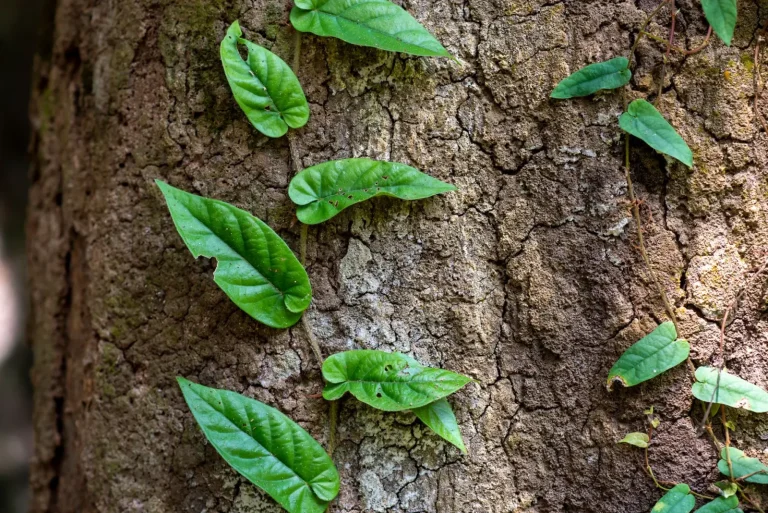
The rainforest canopy itself is the dominant feature that shapes everything else. Unlike open eucalypt forests, this is dense, layered vegetation where visibility drops to metres in places. The moisture retention, the year-round food sources in seeds and insects, and the shelter from wind and temperature extremes all mean the mountain supports a different assemblage of creatures than you’d encounter on the surrounding lowlands. This density is both why the wildlife is abundant and why most of it remains unseen by casual visitors.
Birds: The Most Obvious Presence
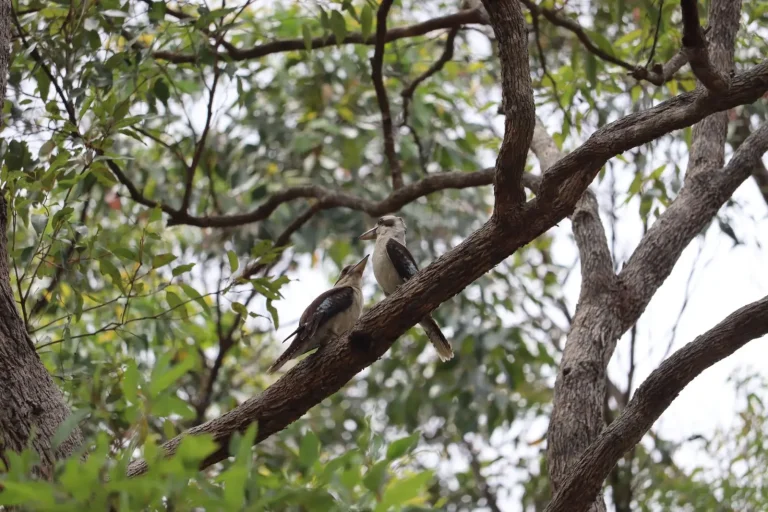
Birds are what you’ll notice first, and often the only wildlife many people register during a walk. The rainforest here holds several species that are genuinely common – not rare sightings but regular inhabitants. Pied currawongs are loud and frequent, especially in the early morning and late afternoon. Their harsh calls carry through the canopy, and you’ll often hear them before you see them. Whipbirds are similarly vocal, their distinctive two-note call unmistakable once you’ve heard it a few times. Both species are territorial and don’t require much patience to encounter.
The smaller honeyeaters – yellow-faced, white-eared, and various others depending on the season and flowering patterns – move through in loose flocks. Their activity is directly tied to what’s blooming. When the rainforest trees are flowering, honeyeaters concentrate in those areas. When flowering is sparse, they spread out or move to other elevations. This creates a real variability in sightings that has nothing to do with luck and everything to do with botanical cycles.
Less obvious but present year-round are the scrubbirds and thornbills. These are small, stay low in the understory, and move quickly. They’re easy to walk past without noticing. Bowerbirds occur here too, and their display grounds – cleared areas on the forest floor decorated with objects – are a reliable sign of their presence even if the birds themselves remain hidden. Regent bowerbirds are the most striking, with their black and gold plumage, but they’re not as common as the satin bowerbirds.
Reptiles: Present But Easily Overlooked
Snakes exist on Tamborine Mountain in modest numbers. The most common are carpet pythons, which are non-venomous and generally docile. They hunt at night and rest during the day, often in trees or under loose bark. Most people never see them, but they’re there. Venomous species like red-bellied black snakes and brown snakes do occur, though encounters are rare. The cool, wet conditions of the rainforest aren’t ideal snake habitat compared to drier, warmer areas, which is one reason snake sightings are infrequent.
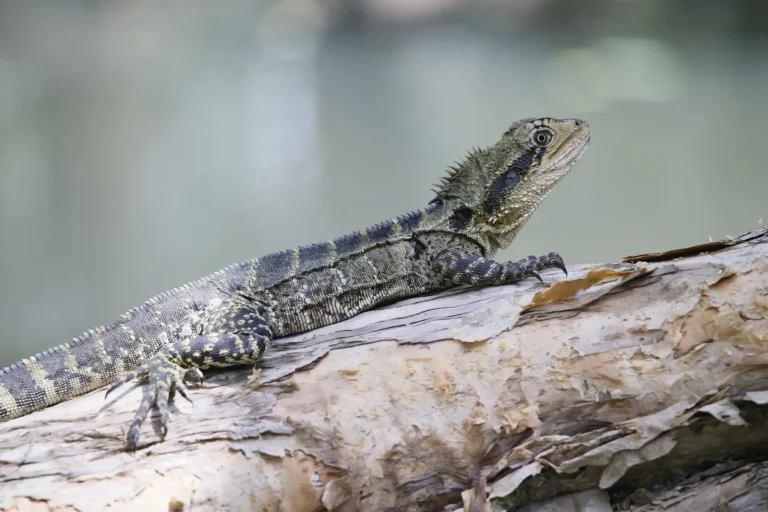
Lizards are more visible, particularly the larger species. Blue-tongue lizards move slowly through the undergrowth and are relatively easy to spot if you’re looking. They’re harmless despite their defensive displays. Smaller skinks dart through leaf litter and are harder to track visually, but their movement catches your eye if you’re paying attention. The rainforest floor is their domain, and after rain especially, they become more active.
Mammals: The Harder Category
Mammal sightings require either luck or specific knowledge of where and when to look. Brushtail possums are common but nocturnal. Their presence is evident from droppings, scratches on tree bark, and the sound of movement in branches at night, but actually seeing one requires being out at the right time with patience. Ringtail possums are smaller and similarly elusive. Both species are arboreal and spend most of their time in the canopy where visibility is poor.
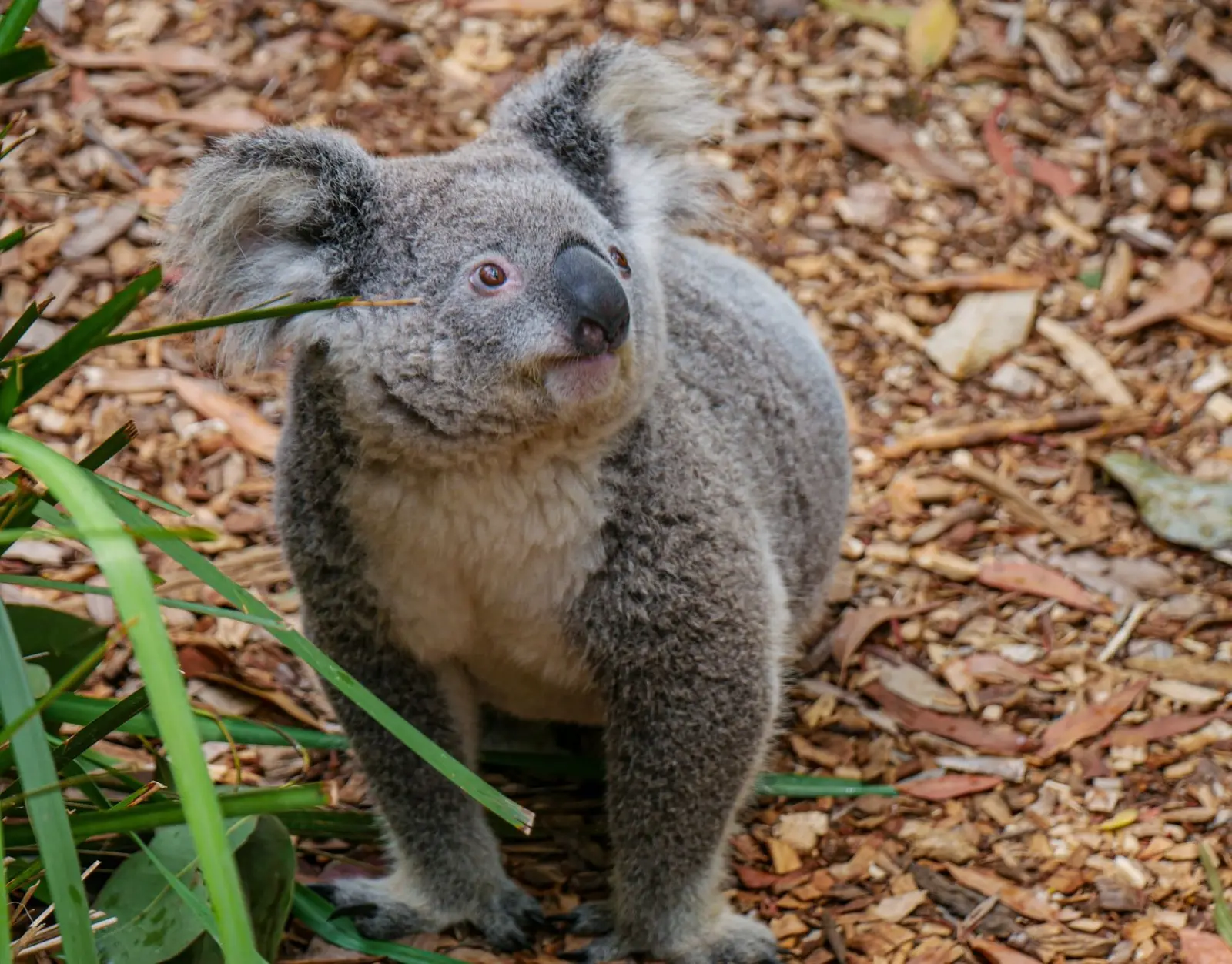
Wallabies – specifically the parma wallaby – do inhabit the mountain, but they’re not abundant and tend to favour the more open areas at the forest edge rather than the dense rainforest interior. Early morning or dusk offers the best chance of seeing them, and even then, sightings are sporadic. Koalas are sometimes reported on the mountain, but they’re not resident in significant numbers. The eucalypt trees here are not their preferred food species, which limits their presence.
Echidnas occasionally appear, particularly in autumn and winter when they’re more active above ground. They’re unmistakable when you see one, but they’re not common enough to be a reliable sighting. Sugar gliders are present in the forest but strictly nocturnal and arboreal, making them nearly impossible to see without specific night-spotting equipment and knowledge of their exact location.
Invertebrates: The Overlooked Abundance
The real diversity on Tamborine Mountain lies in insects, spiders, and other invertebrates. This is where the ecosystem’s complexity actually reveals itself. Beetles, cicadas, butterflies, and countless other arthropods form the foundation of the food web. Birdwatchers often ignore this entirely, but it’s the invertebrate activity that drives everything else. After rain, the forest floor becomes a landscape of activity – beetles moving through leaf litter, spiders repairing webs, cicadas calling from the canopy.
Specific insects become noticeable when their populations spike. Cicadas in summer create an overwhelming soundscape. Butterflies concentrate around flowering plants. Stick insects appear in certain seasons and can be abundant enough to damage foliage. These aren’t rare or special, but they’re often invisible to people expecting to see larger animals.
Seasonal and Weather Patterns
Wildlife activity on the mountain responds strongly to weather and season. Wet periods bring more visible activity across all groups. Dry spells concentrate animals around water sources. Spring and early summer see increased breeding activity and more visible movement. Winter is quieter overall, though some species like echidnas become more active above ground during cooler months.
Time of day matters significantly. Dawn and dusk are peak activity periods for most species. Midday is typically quiet. Night brings out entirely different assemblages – possums, gliders, nocturnal insects, and hunting spiders. Most casual visitors walk during the day and miss the actual peak activity periods entirely.
The reality of Tamborine Mountain’s wildlife is that abundance and visibility are different things. The rainforest supports a rich animal community, but much of it operates outside human observation windows. Patient, quiet observation during appropriate times yields more sightings than random daytime walks. The forest is most alive when most visitors are absent – at dawn, dusk, and after rain. Understanding this pattern is more useful than any species checklist.